Disclosure: We may earn a commission when you purchase through links on our site. This does not influence our reviews or recommendations.
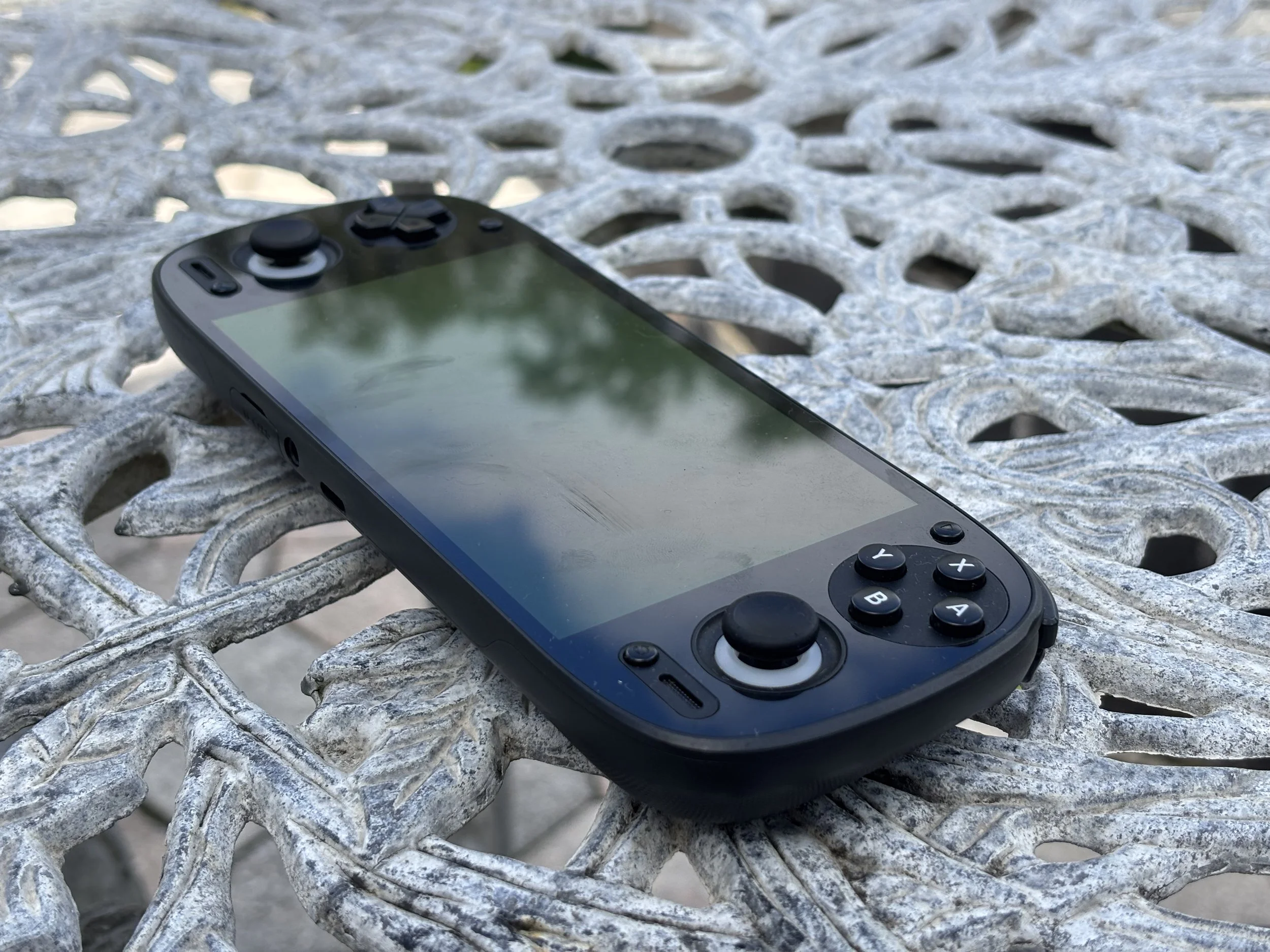
The retro handheld market is stupidly competitive right now. You've got $30 Linux handhelds that are shockingly good, like an R36S, $100–150 devices that eat through most older consoles without breaking a sweat, and then $300–400+ monsters like the AYN Odin 2 Portal that push into much heavier emulation territory.
Right in the middle of all that sits the Retroid Pocket 5, and it's still one of the hardest handhelds to ignore. Not the biggest, not the fastest….but the best all rounder.
I won't call it the outright "best deal," because pricing in this market moves too fast for that to mean anything for long — especially once you start digging through used listings on eBay. When I bought my Retroid Pocket 4 Pro and later picked up a Pocket 5, the price difference between the two was only about $130, accessories included and my pocket 5 came with the dual screen attachment. That's the whole problem with shopping in this space: spend a little more and suddenly you're looking at something considerably better. Spend another $100 past that and you're knocking on the Odin 2 Portal's door.
But right around the $200 mark, used? The Pocket 5 makes an absurd amount of sense for most people.
Buy a Retroid Pocket on Amazon!
Buy a Retro Handheld on Amazon!
A Mini Odin 2 Portal — Sort Of
My first impression using the Pocket 5 was that it feels like a shrunk-down Odin 2 Portal. That's a compliment — the Portal 2 is still one of my favorite devices out right now, I play it every day and the Pocket 5 shares that same clean, modern design language that makes it feel more expensive than it is. Retroid and AYN sit under the same parent company, so some family resemblance isn't exactly a shock.
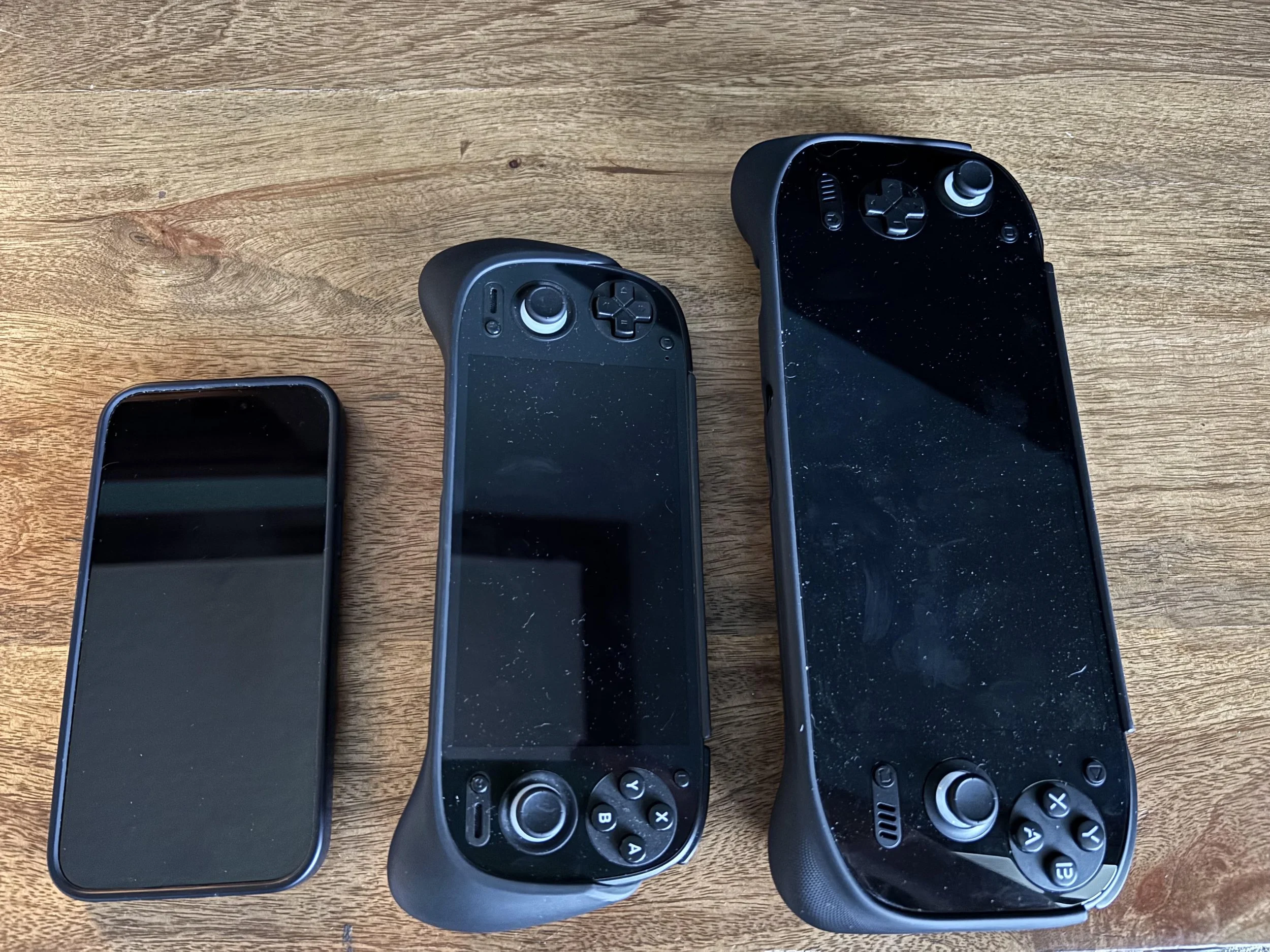
iPhone 15 Plus, Retroid Pocket 5, AYN Odin 2 Portal (in order, left to right)
Where the Pocket 5 actually beats the Portal is portability. It's not tiny — sitting next to my iPhone 15 Pro it's clearly the bigger device, and throwing the grip on makes it bigger still. This isn't sliding into a jeans pocket. But it's small enough that I'll genuinely grab it and take it somewhere. If I know I'm going to be sitting around waiting on someone, or I just want something to mess with on the couch that isn't a full-size slab, the Pocket 5 hits a near-perfect balance. That's something I appreciate more every time I go back to a bigger handheld.
The Size Might Be Its Biggest Strength
Performance talk sucks up most of the attention in this hobby, but ergonomics and size matter just as much day to day.
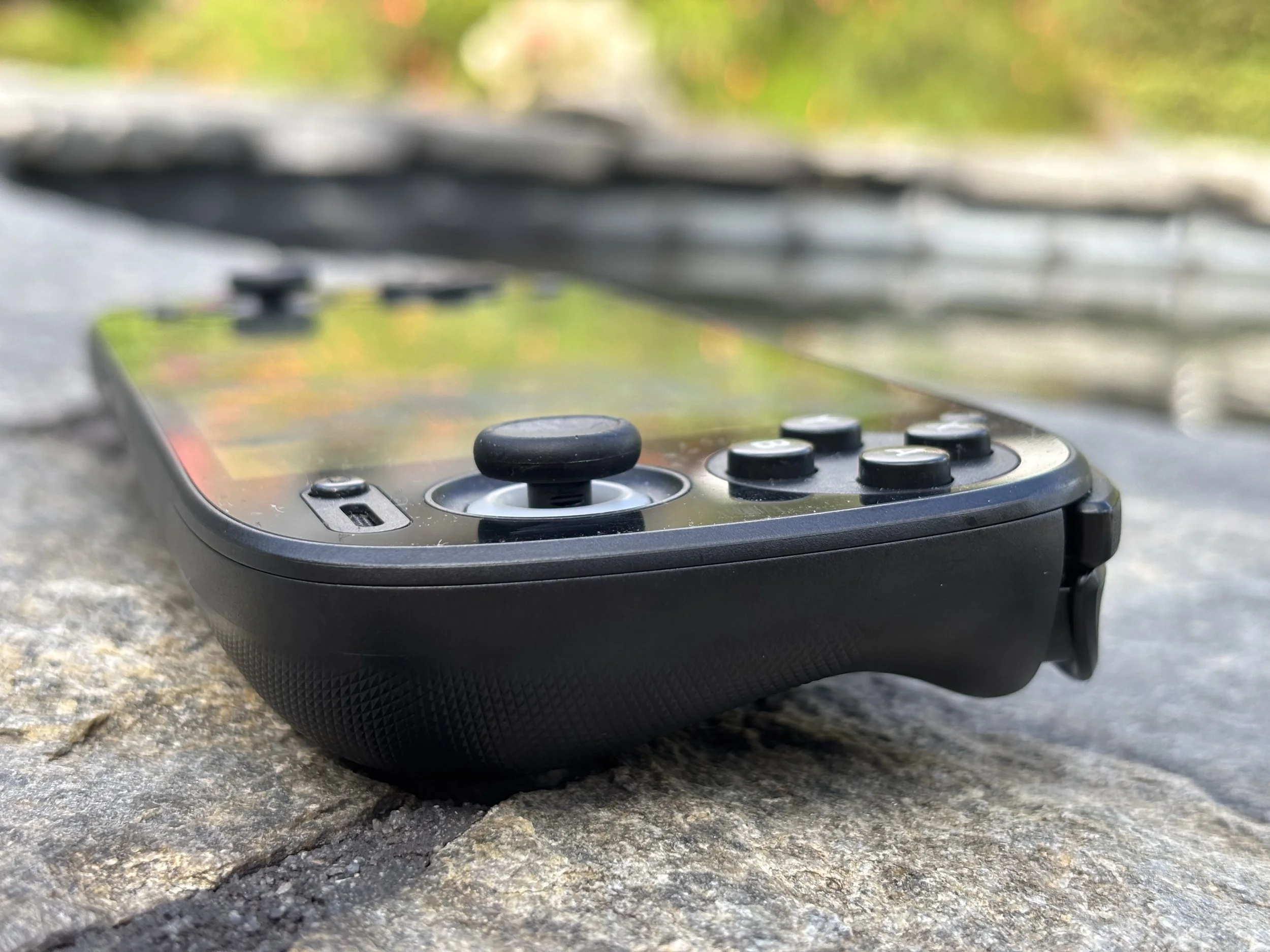
The Pocket 5 feels great in hand. It's big enough that the screen doesn't feel compromised, but it hasn't crossed into the almost-tablet size of the Portal. That distinction matters more than it sounds. With the Odin, I'm making a conscious decision to sit down and play. With the Pocket 5, I can grab it, play for 20 minutes, put it down, and take it with me later without thinking about it. It's much closer to what I actually picture when I hear "portable gaming handheld."
Add the optional grip and it gets noticeably more comfortable for longer sessions — you just give back some of that pocketability to get there.
Buy a Retroid Pocket on Amazon!
Buy a Retro Handheld on Amazon!
Do You Actually Need a Pocket 6?
The Pocket 6 exists now, and it's a real jump: same Snapdragon 8 Gen 2 and Adreno 740 you'll find in the Odin 2 Portal, a 5.5" 120Hz AMOLED screen, Hall-effect sticks, Wi-Fi 7, and a 6,000mAh battery with 27W charging, all for around $245–250. It's a genuinely great device, and if you're chasing GameCube, PS2, PSP, or light Switch performance with real headroom, it's worth the jump. FYI, if you own a Portal 2, you don’t really need a pocket 6, skip it.
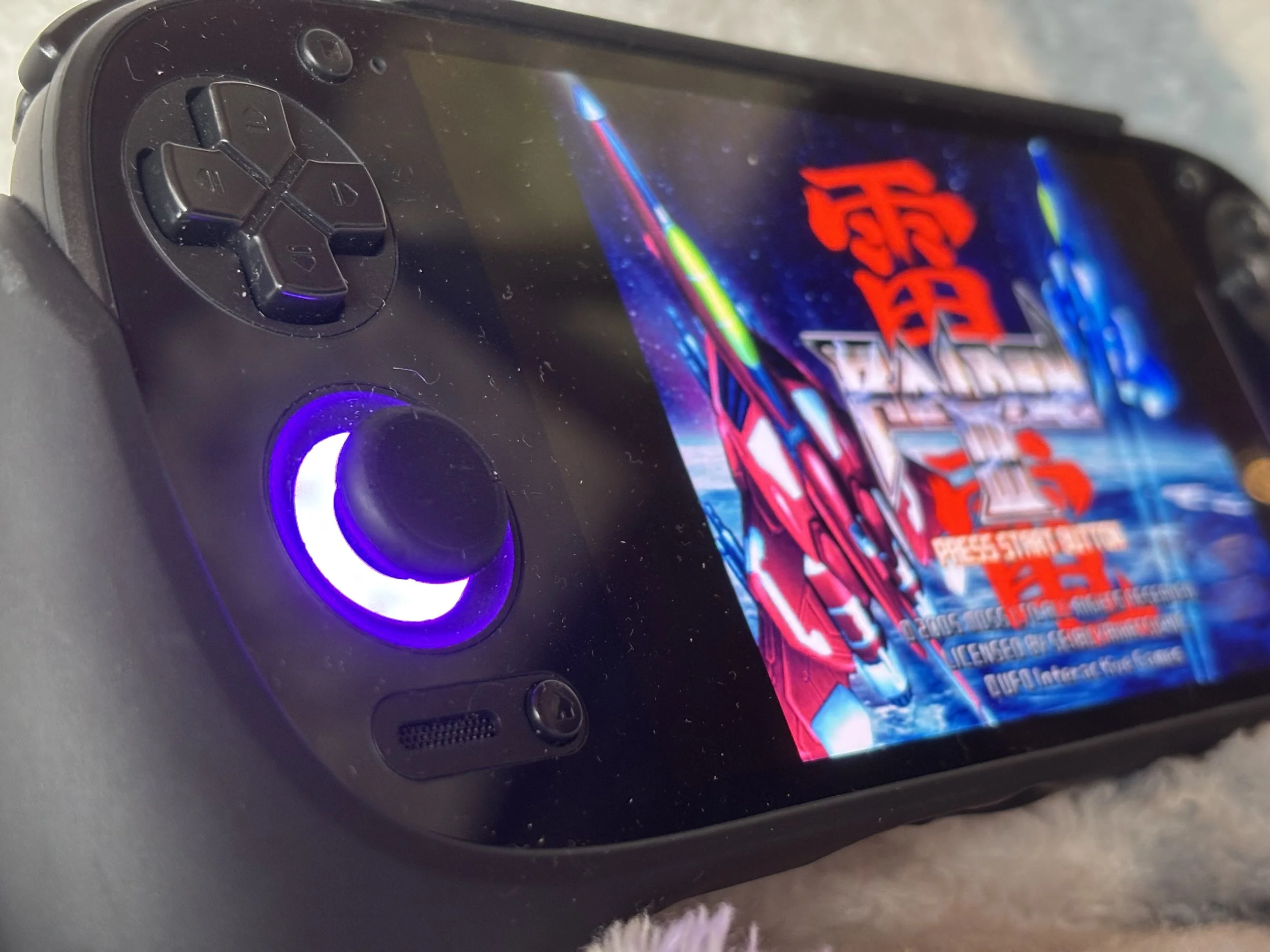
But do you actually need that power? That depends entirely on your library. I'm running the regular 8GB Pocket 5, not one of the bigger RAM configs, and I have yet to feel meaningfully limited by it for what I actually play. PS2, GameCube, and everything below that already gives you a massive library, and at a certain point more RAM and more raw horsepower stop dramatically changing the experience if the systems you care about already run well.
That's why I keep landing back on the Pocket 5. You get enough performance that it never feels like a budget device, without spending flagship handheld money.
The $200 Used Market Changes Everything
The used market is really what makes the Pocket 5 so compelling right now. I routinely see two to five new listings pop up on eBay in a single day, sitting right around that $200 mark. That matters — a device can have great specs on paper and still be a bad recommendation if it's a pain to find or constantly selling above what it's worth. The Pocket 5 has been out long enough that supply is healthy.
For someone buying their first serious Android retro handheld, that's a real advantage. You're not hunting down some obscure import, waiting months on a preorder, or gambling on first-generation quirks. The Pocket 5 is established — guides everywhere, setup videos everywhere, accessories easy to find, used units plentiful. That's worth something.
The 8GB Model Is Plenty
I wouldn't obsess over RAM here. I'm on the regular 8GB version and haven't once thought "man, I wish this had 16GB." For traditional retro emulation, RAM simply isn't what limits this device.
You also get 128GB of storage out of the box, which is enough to load a ridiculous number of Game Boy, SNES, Genesis, N64, and PlayStation games before storage becomes a concern. Bigger PS2 and GameCube libraries will chew through it faster, and eventually you'll want a microSD card if you're a digital hoarder — but you don't need one on day one, and that's a small thing that makes the Pocket 5 feel complete straight out of the box.
PS2 and GameCube Are Where It Separates Itself
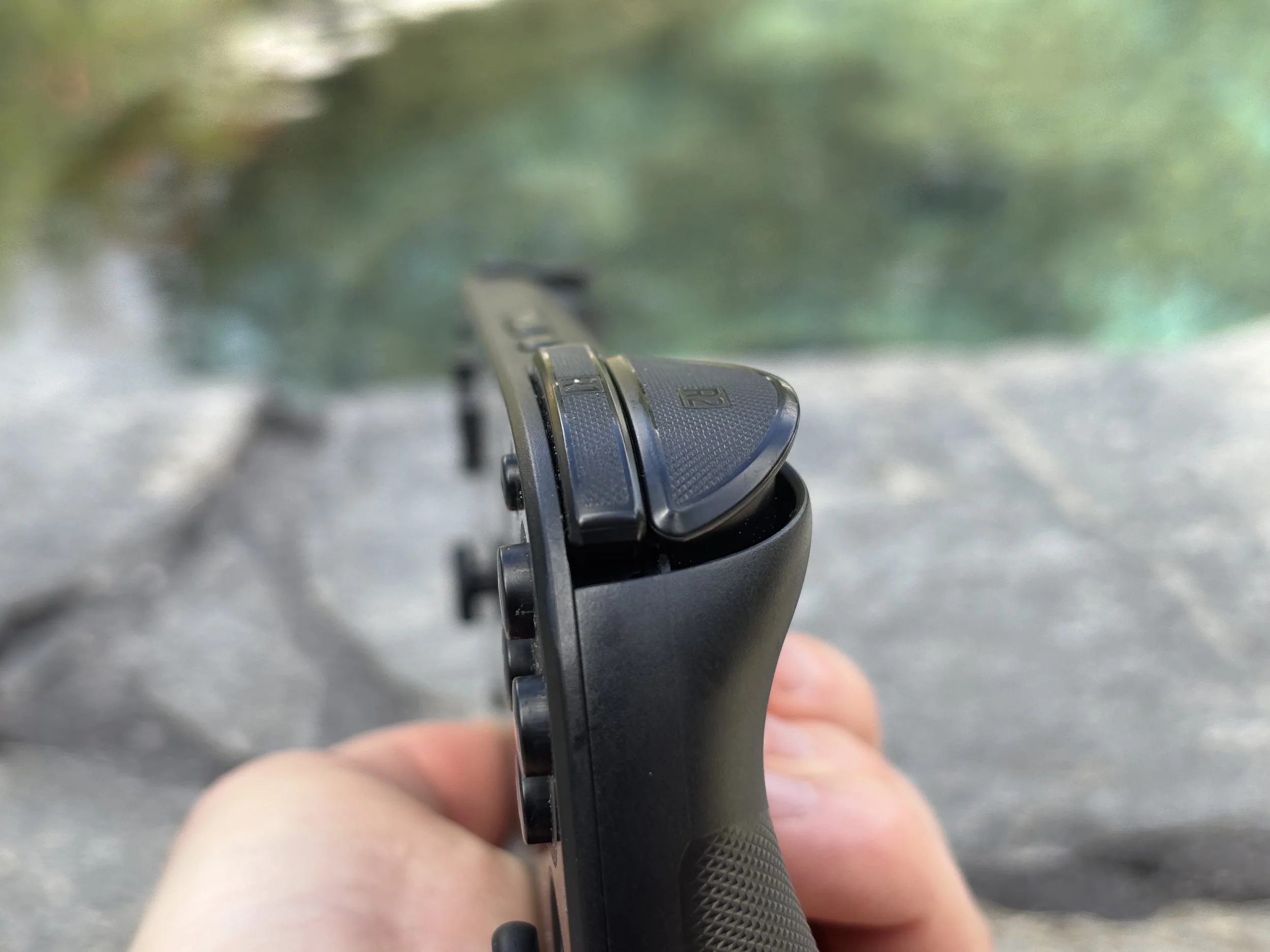
This is where the Pocket 5 pulls away from the cheaper end of the market. Plenty of inexpensive handhelds handle Game Boy, SNES, Genesis, and even PlayStation just fine — you don't need to spend $200 for that. The Pocket 5 earns its price when you want those systems plus the heavier ones. Jumping from Game Boy and N64 straight into PS2 or GameCube on one device gives you an enormous library, and the Pocket 5 has enough horsepower that I'm not constantly fighting it to run games it wasn't really built for. That's the real difference between a handheld that technically supports a system and one that's actually comfortable running it.
The Dual-Screen Add-On Is Cool, But I Wouldn't Buy It for DS
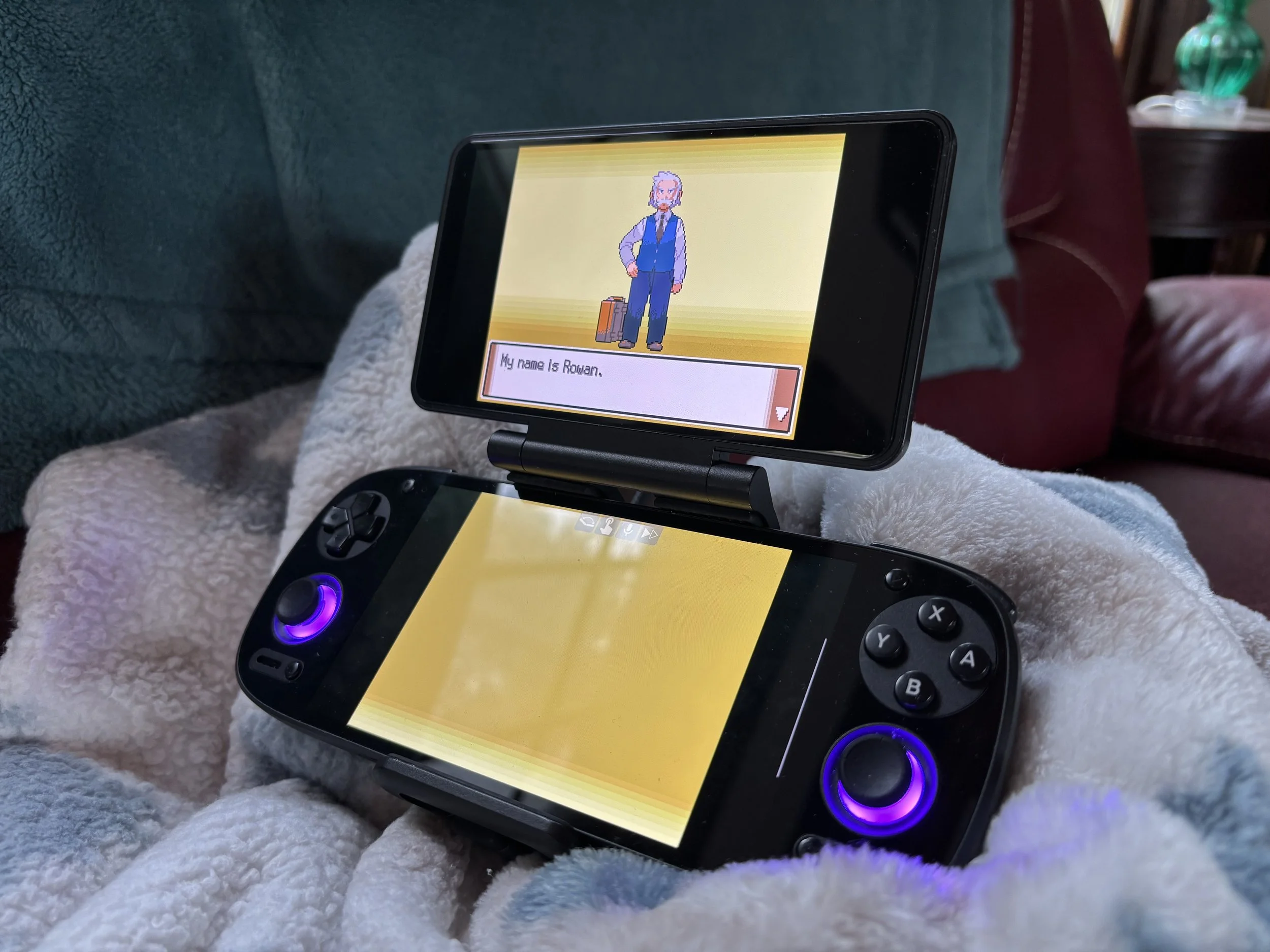
I picked up the dual-screen accessory too, and it's an idea I like more in theory than in practice. It works — it gives you a second display, and for Nintendo DS games that's genuinely cool. But I don't reach for it much.
The problem is it doesn't work with the grip attached, and once you clip on a second screen you've basically killed the Pocket 5's biggest advantage: portability. You've turned a beautifully compact handheld into something that needs a lot more space to carry and use.
If DS or 3DS is going to be a primary reason you're buying a handheld, get something built around dual-screen from the start, like the AYN Thor. The Pocket 5's add-on makes more sense for someone who wants dual-screen functionality occasionally, without buying a second handheld just for that.
Pocket 5 vs. AYN Odin 2 Portal
I own and genuinely like both, so this one's close. The Portal now runs $299–$399+ depending on config after this year's memory-price spike, and for that you get the same Snapdragon 8 Gen 2/Adreno 740 combo as the Pocket 6, a bigger 7" 1080p OLED at 120Hz, and an 8,000mAh battery. If you're already comfortable spending $300+ and portability isn't a big deal to you, just buy the Portal. It's the more premium device, full stop.
But it's also considerably bigger, and that's the whole trade-off. The Pocket 5 is something I bring places without thinking twice. The Portal is something I bring because I've specifically decided I'm sitting down to play. Related ideas, different situations. Home base, I'm grabbing the Odin. Anywhere else, I'm grabbing the Pocket 5.
Pocket 5 vs. Retroid Pocket 4 Pro
This is where current pricing makes the call tricky. I own a Pocket 4 Pro too, and it's still a solid handheld. But when the gap between a used 4 Pro and a used Pocket 5 is as small as the $170 I paid, I'm buying the Pocket 5 every time — better screen, better performance ceiling, and it holds up better against heavier PS2/GameCube libraries. MSRP has stopped meaning much in this market. If you land an incredible 4 Pro deal, sure, take it. But if the prices are close, stretch for the 5.
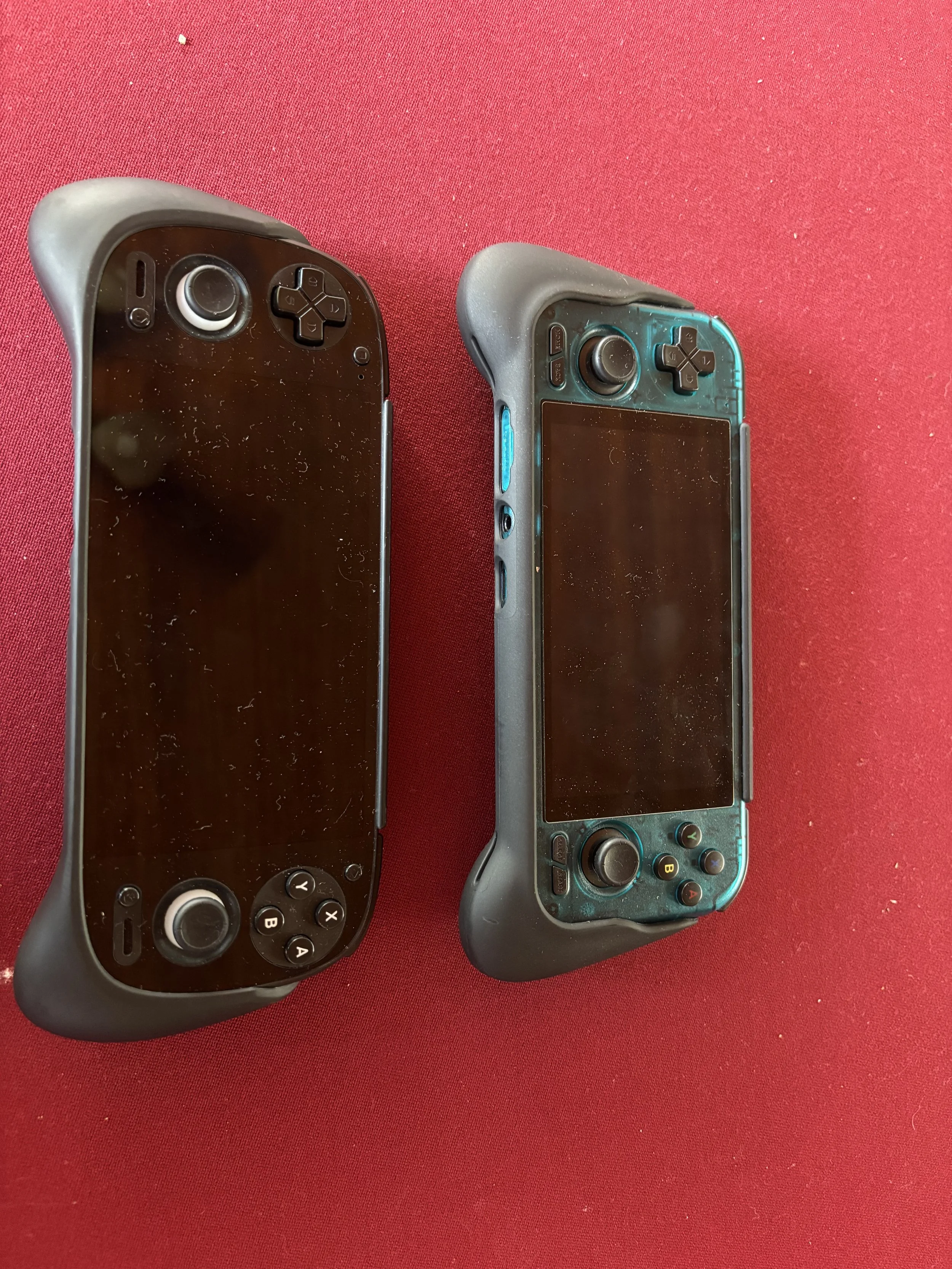
Retroid Pocket 5 next to the Pocket 4 pro (left to right)
Pocket 5 vs. Mangmi Pocket Max
The Mangmi Pocket Max is the wildcard comparison, and it's worth knowing about even though it's a different kind of device. It runs an older Snapdragon 865 (a 2019 flagship chip) paired with Adreno 650, but wraps it in a massive 7" 144Hz AMOLED screen, an 8,000mAh battery with 27W charging, and — its real hook — magnetic, hot-swappable button modules that let you switch between membrane and clicky microswitch D-pads and face buttons. It launched around $200–220, and independent testing has put its real-world CPU/GPU performance roughly in line with the Pocket 5, even edging it out in some benchmarks.
Where it loses is the "Pocket" part of its name. At roughly 10 x 4 x 0.7 inches and around 450g, it's a genuinely large device — closer to Odin Portal territory than Pocket 5 territory, minus the pocketability. If a huge AMOLED screen and swappable controls sound appealing and you don't care about carrying it casually, it's a legitimately interesting alternative. If portability is the whole point for you like it is for me, the Pocket 5 still wins.
Buy a Retroid Pocket on Amazon!
Buy a Retro Handheld on Amazon!
One of the Best Starter Handhelds Right Now
That's ultimately where I land. Someone buying their first retro handheld can absolutely start cheaper — an R36S will get you playing classics for almost nothing. But if someone came to me and said, "I've got around $200, I want one really good handheld, what do I buy?" — the Pocket 5 is very high on that list.
Excellent build quality, strong performance, enough RAM, usable internal storage, a great form factor, and access to a massive emulation library, all without stepping into $300–400 enthusiast territory. And because these are so easy to find used, buying one doesn't feel like a huge commitment. That's what makes it such a strong starter device — you're unlikely to outgrow it fast.
Final Thoughts
The Retroid Pocket 5 is sitting in the best part of the retro handheld market right now. It's not the cheapest option, not the fastest, not the smallest, not the largest. That's exactly why it works.
For around $200 on the used market, you get a handheld that feels genuinely premium, has enough power for PS2 and GameCube, stays portable enough to actually take with you, and has enough community support that setup isn't some obscure science project. Could you spend less? Sure. Could you spend $100–200 more and get something better — an Odin 2 Portal, a Pocket 6, even a Mangmi Pocket Max if you want a bigger screen? Also sure.
But the Pocket 5 sits right between those extremes, and the regular 8GB/128GB config has been more than enough for me. The Pocket 6 is faster. The Odin 2 Portal is the better machine overall if size doesn't matter to you. But for price, performance, portability, build quality, and availability combined, the Pocket 5 is still one of the hardest handhelds to beat.