MANGMI Air Y vs. Air Y Pro: I Bought the Cheapest Pro, and R36S Owners Should Pay Attention
Disclosure: We may earn a commission when you purchase through links on our site. This does not influence our reviews or recommendations.
If you've been running an R36S for a while, you already know its job: it's the cheap, no-regrets way to find out whether handheld retro gaming is actually your thing in a Gameboy format. Mine did its job, I love it but I still want an upgrade. Because eventually you hit a wall — the games you actually want to play outgrow the hardware and you want something that feels better in your hand — and you start looking at what's next. Wow, there are tons of options out there!
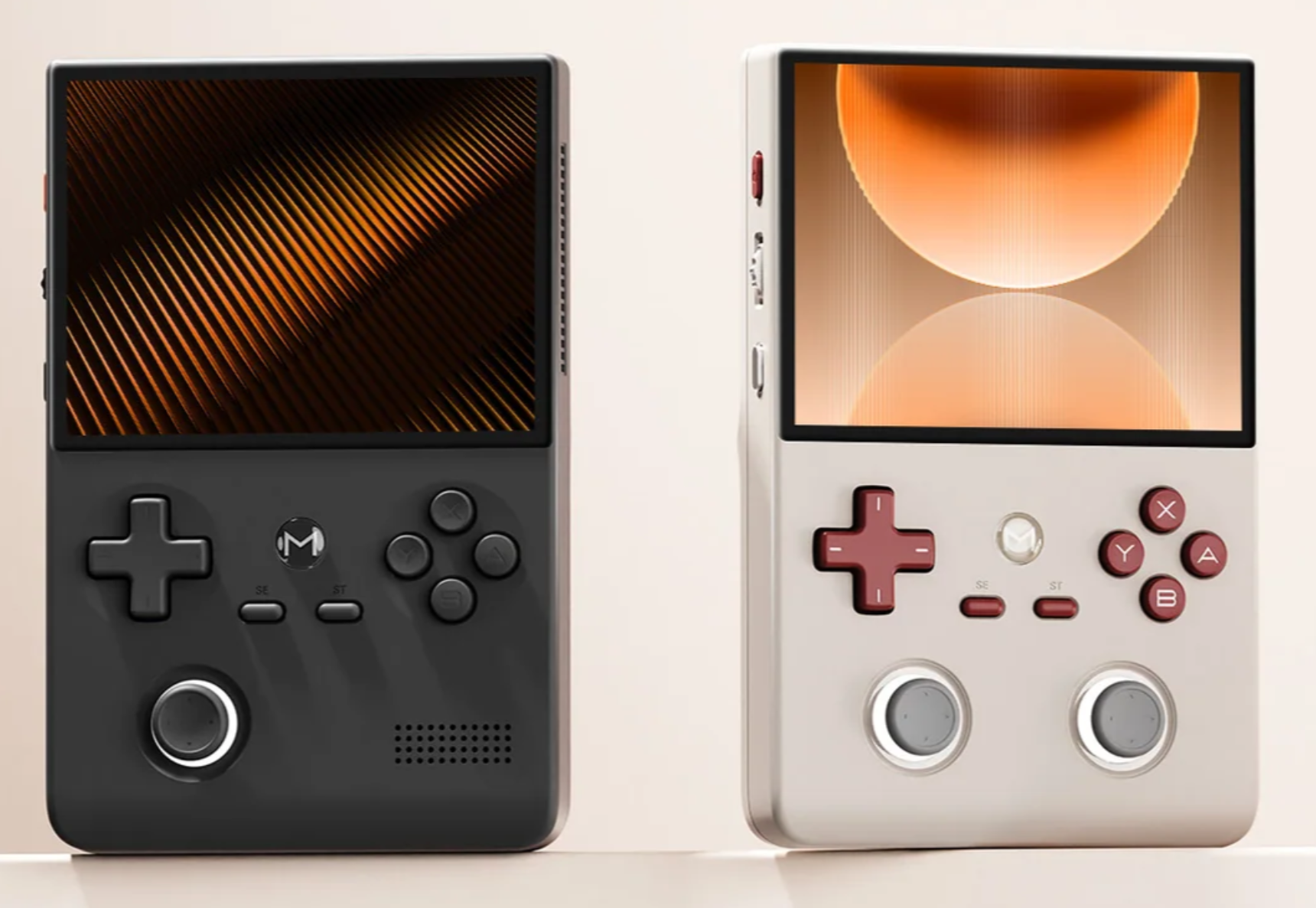
That's how I ended up staring at the MANGMI Air Y and Air Y Pro side by side, and honestly, it surprised me. The regular Air Y already feels like a big step up from an R36S. But once I put it next to the Pro, the gap between the two was bigger than I expected for $60. So I bought the Pro — the cheap one — and I think it's the version most people making this exact upgrade should get.
Best deals on Handhelds on Amazon!
First, why not just jump straight to a MANGMI?
Because I don't think you should skip the R36S step. It's a genuinely useful gateway device: 3.5-inch, 640×480 screen, an RK3326 chip, 1GB of RAM, no Wi-Fi, no Bluetooth. It's not going to wow anyone in 2026. But for $60 or less, it answers the only question that matters before you spend real money — do you actually use one of these things, or does it sit in a drawer after two weeks? I bought mine for $23.78 off AliExpress last year.
Once you've lived with an R36S and start bumping into its limits, that's the moment the Air Y gets interesting.
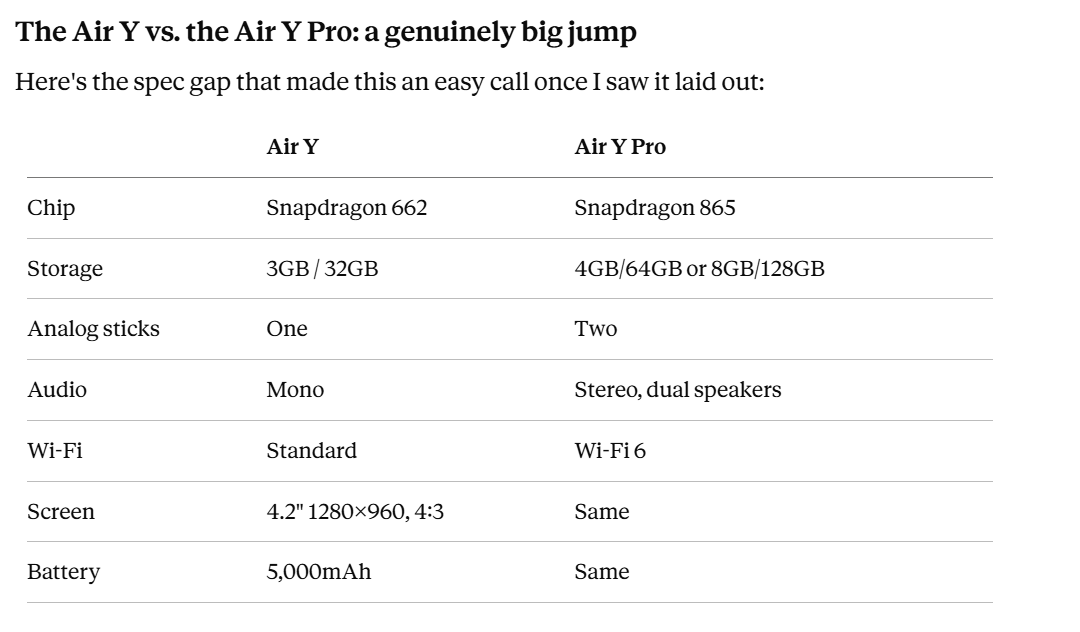
Same screen, same battery, but almost everything else about the Pro is a different tier of device. One thumbstick and mono sound on the base model is a real limitation, not a nitpick — plenty of the systems this category of handheld is built for expect dual-stick input. The Pro fixes that, adds real stereo audio, and swaps in a genuinely modern chipset. For $60 more, that's not a minor spec bump, it's a different class of hardware.
Why I went Pro, and why I picked the cheap one
I went in planning to just buy the base Air Y. I walked out with the 4GB Air Y Pro instead, for a few concrete reasons:
It was on sale. New release, $15 off, so the actual gap between base and Pro shrank even further.
64GB built in. No SD card to buy on top of the handheld — that's real money and one less thing to deal with out of the box. Like $30-40 worth of savings right there.
Dual speakers instead of mono. Not a huge deal for me, but not nothing either.
Dual thumbsticks. This one matters. The base Air Y ships with a single stick.
Snapdragon 865 over the 662. The higher-end processor is the actual reason to go Pro in the first place.
At launch pricing, that's Air Y at $89.99, Air Y Pro 4GB/64GB at $145.99, and Air Y Pro 8GB/128GB at $175.99. With the discount and shipping, I landed at $162.99 out the door for the 4GB Pro with shipping. That's the number I actually paid, not a hypothetical.
4GB Pro vs. 8GB Pro: don't overthink this one
The $30 jump from the 4GB Pro to the 8GB Pro looks like an obvious no-brainer on paper. More RAM, more storage, same price gap as a nice dinner. But I'd push back on the instinct to just default to the bigger number.
If you're buying this as an R36S replacement — meaning you're here for emulation, not for turning this into a tiny Android gaming PC — the 4GB Pro already gets you everything that actually changes the experience:
The same Snapdragon 865
The same dual analog sticks
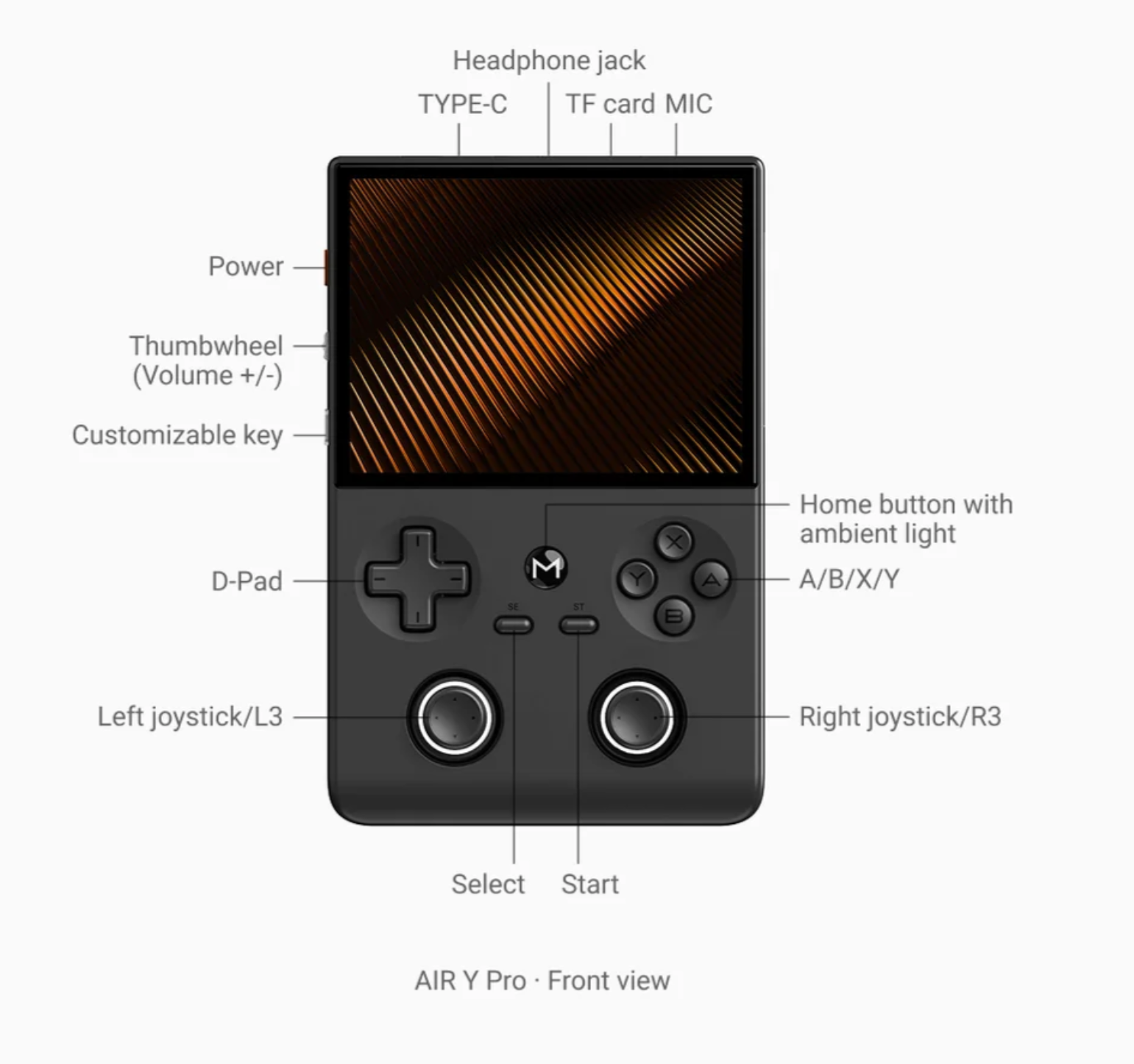
UFS storage, active cooling, stereo speakers, Wi-Fi 6, 18W charging
microSD expansion if you ever do need more room
The identical 4.2-inch display
What the 8GB model buys you on top of that is more RAM and more built-in storage. That's real value, sure. But value and usefulness aren't the same thing. If 4GB already covers what you're emulating, extra RAM doesn't make a GameCube game run any better — there's a ceiling to how much that spec actually moves the needle for this use case. Plus as you push towards the $200 mark….I’d say just get a Retroid Pocket 5 (or even a 4 Pro!) Read my full review of the 4 Pro here!
Where I've capped this thing — and where I haven't
This is the part that actually shapes the buying decision more than any spec sheet: I'm capping this device at PS2 and GameCube, full stop. Anything heavier than that goes to my Pocket 5, 4 pro or my Portal 2 instead. That's a deliberate split, not a limitation I'm annoyed about — the Air Y Pro doesn't need to be my everything-device, it needs to be really good at the tier I'm putting it in.
Worth a mention on the side: MANGMI also makes a Pocket Max, a 7-inch OLED handheld that's actually cheaper than the Portal 2. It's an interesting, kind of unique option if you want a bigger screen without stepping up to Portal 2 money — but that's a different device solving a different problem than what I bought here. Don’t want to wait? Check out our Amazon guide here to get a handheld fast!
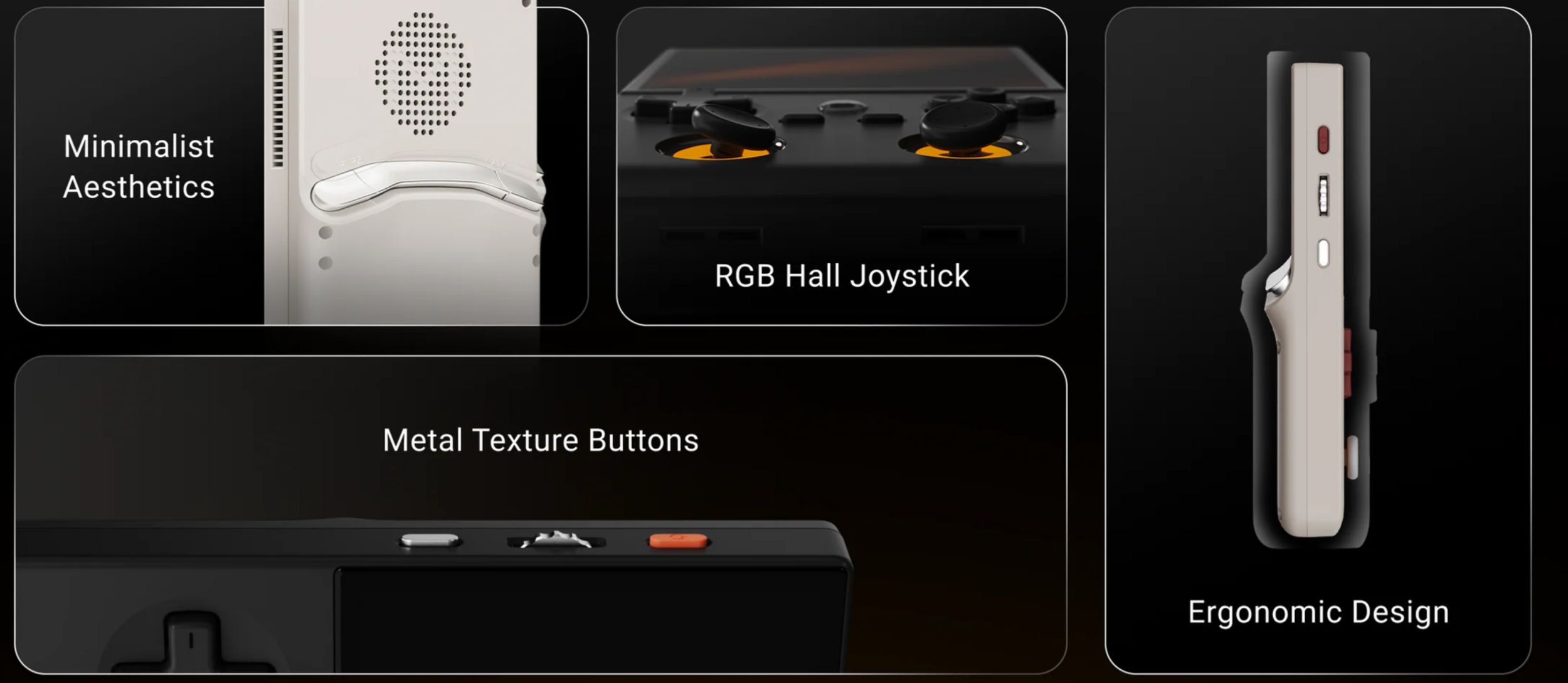
One small detail I didn't expect to care about this much: the analog sticks have RGB backlighting. It's a completely unnecessary feature and I love it anyway — it makes the whole device feel less like a spreadsheet of specs and more like something with a bit of personality. I love those cozy details on these devices, it’s a selling point for me anyway.
The verdict
I don't think someone buying their first retro handheld needs to skip the R36S and go straight to a $150 MANGMI — the R36S still earns its spot as the cheap way to test the waters, learn how everything works and just get back into retro gaming, no matter your age. But once you've outgrown it, the Air Y Pro is where the real upgrade lives, and the 4GB model is the one I'd point people toward. You get the Snapdragon 865, both thumbsticks, stereo sound, and everything else that actually matters for PS2 and GameCube emulation at least on paper(we will see how well it actually works when it arrives), without paying extra for RAM you probably won't use.
I paid $162.99 shipped for mine. Once I've put real hours into it, I'll follow up with a full review — but the buying decision itself was the interesting part, and I'd make the same call again. Read our AYN Odin 2 Portal Review here!