Stop Buying the Cheapest Gaming Handheld. Do This Instead (buy used!)
Disclosure: We may earn a commission when you purchase through links on our site. This does not influence our reviews or recommendations.
Buying a used gaming handheld can either be the best deal you've ever found, or a complete waste of money. The difference usually comes down to one thing: research, research, and more research!
If you're looking to buy a used handheld, you want to save money — that's the whole point. But before you pull the trigger on the cheapest listing you can find, compare it to the next model up. Sometimes spending an extra $40–$80 gets you a whole lot more bang for your buck: more screen space, more battery, more processing power, and way more games you can actually play.
That's exactly what happened to me this week.
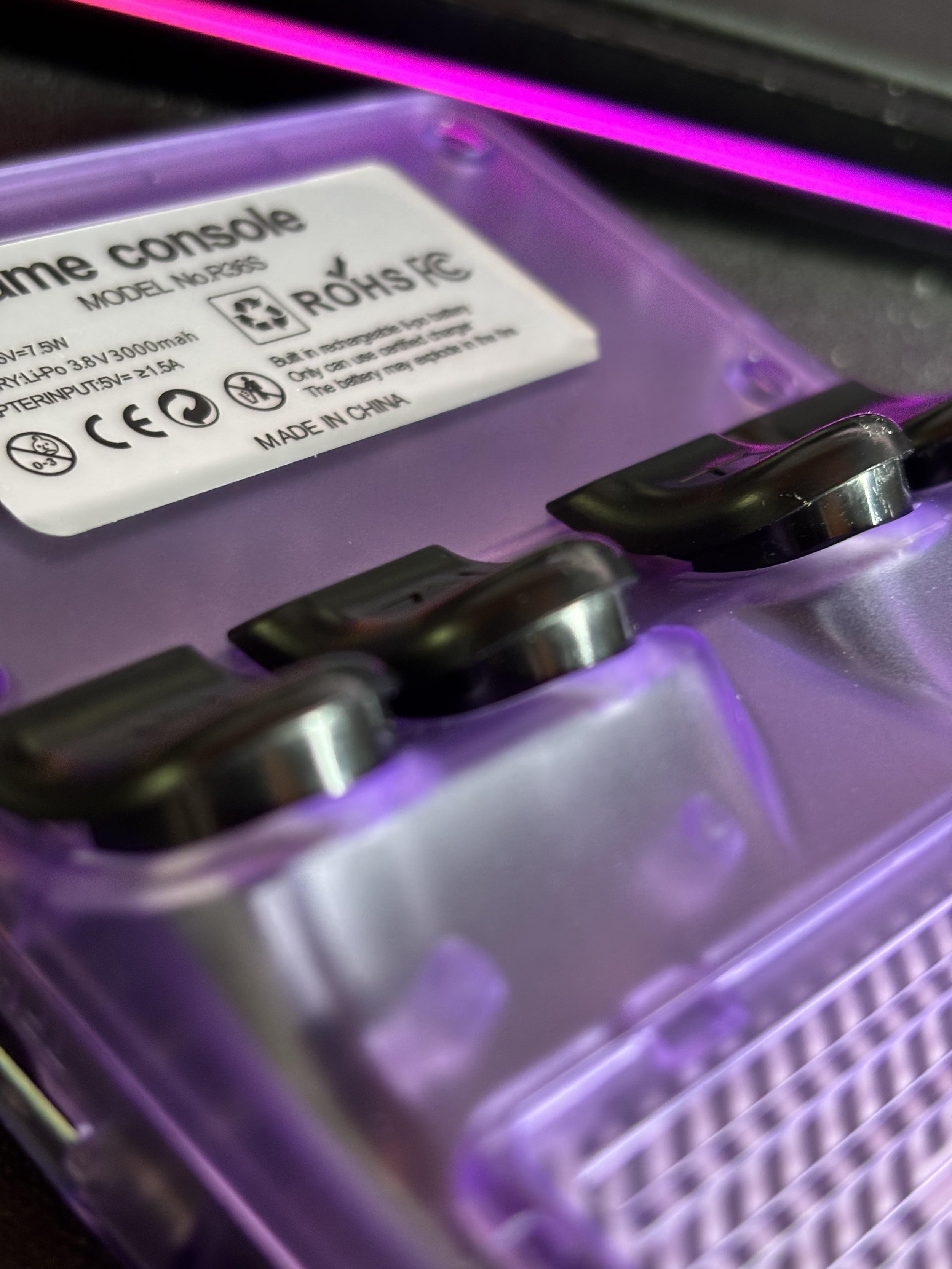
I bought a used Retroid Pocket 4 Pro to replace my R36S. Sounds crazy, right? Those two aren't even in the same league. But what if I told you the actual price difference was only about $100? That changes things fast. We're talking a jump from a 3.5" budget screen to a 4.7" IPS LCD display, a real battery upgrade, and enough processing power to go from "barely holds N64" to "chews through GameCube and PS2 without breaking a sweat." An extra $100 stopped feeling like a splurge and started feeling like the obvious move.
Best Gaming Handheld Deals on Amazon!
Accessories Matter
When you're browsing eBay (or Facebook Marketplace, or wherever), don't just look at the handheld sitting in the thumbnail. Look at everything that's included in the box.
A case and a grip are great extras — often worth $30 or so on their own if you bought them separately. But an included SD card can be worth $50 or more, depending on the size and speed class, and that's the one people overlook. I've seen listings where the "deal" was really the 256GB card thrown in, not the console itself. Add up what the extras would cost you new before you decide a price feels high or low.
Check for Signs of Abuse
Photos don't lie, but they don't always tell you everything either, so look closely.
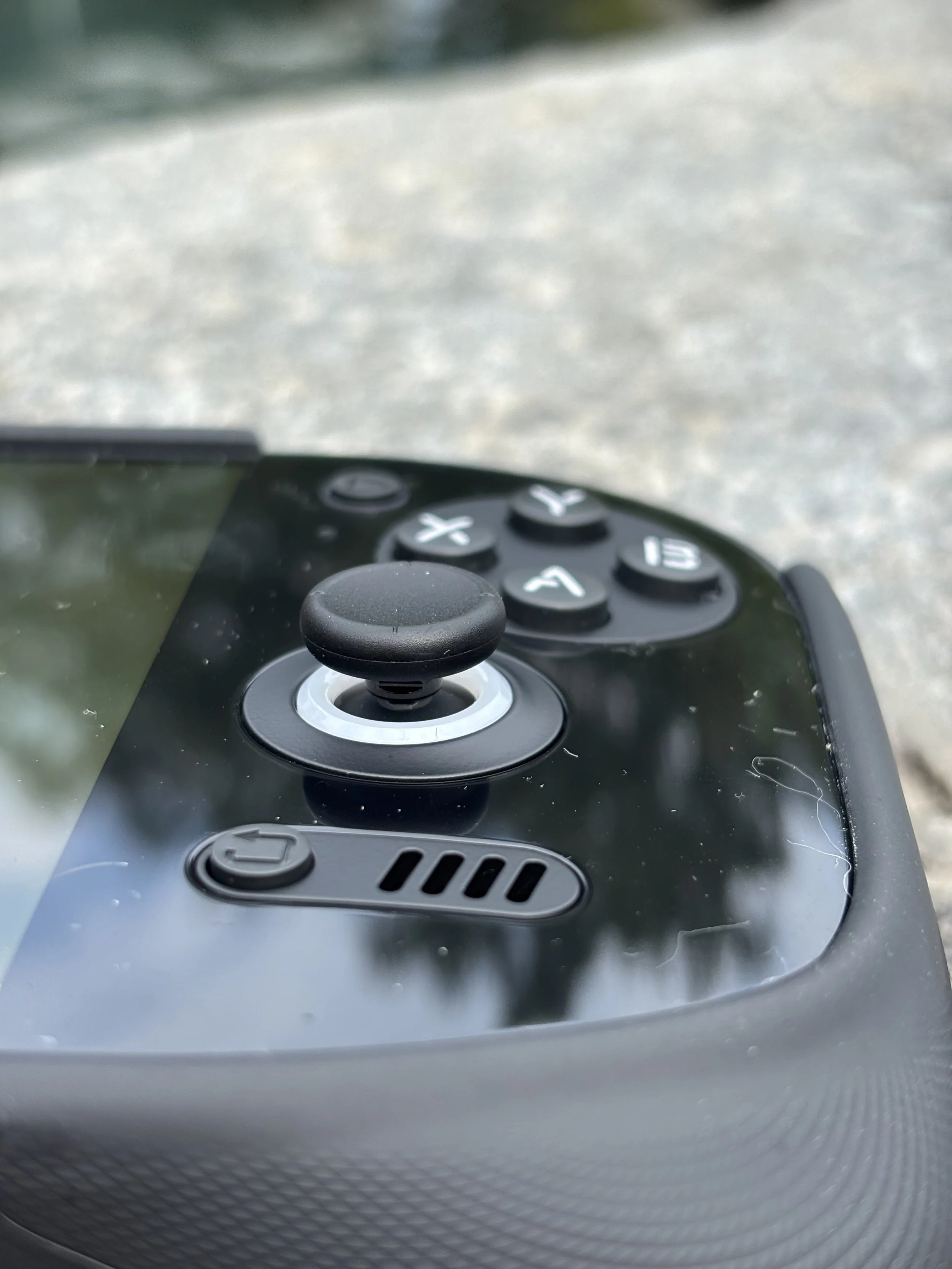
Vents on the back — dust is normal, cracks, dirty and noticeable wear or melted plastic are not
Joysticks — check for worn-down rubber or grooves, and ask directly about stick drift if it's not mentioned
Charging port — bent pins or a loose fit is a red flag
Buttons and triggers — mushy or unresponsive buttons mean heavy use
The shell itself — scratches are cosmetic and fine, cracks near the screen or hinge points are not
A handheld that looks cared for usually was cared for. Don't be afraid to ask the seller for extra photos of the vents and the battery contacts before you buy — most sellers are happy to send them, and the ones who dodge the question are telling you something. Read our Odin 2 review here!
Buy for the Games You Actually Play
Here's the part people get wrong the most: they buy hardware for games they'll never actually play.
I love N64 games and older Game Boy titles. That's basically my whole library. I wanted something that could run N64 well and not choke on it, but I didn't need the latest Odin 3 to make that happen — that thing is overkill for what I actually play, and you're paying a premium for horsepower you'll never use. Balancing portability, price, and size is the real skill here, not chasing the biggest number on a spec sheet.
Odin vs Retroid? Read out comparison article here!
Why It Matters
The handheld gaming market moves fast. Every few months there's a new device promising a faster chip, a nicer screen, better everything. That's great news if you're buying new — and even better news if you're buying used, because it means last year's flagship just became this year's bargain.
Best Gaming Handheld Deals on Amazon!
Our Take
The latest isn't the greatest — at least not for most people. Sometimes the smarter move is grabbing last year's flagship at a steep discount and putting the money you saved toward games, accessories, or your next upgrade instead.
Do your research. Compare the model up. Check the vents, the sticks, the ports. And don't be afraid to spend a little more if the jump is worth it. The goal isn't the cheapest handheld you can find — it's the one that gets you the most fun for your money.