I Wrote About Buying Speakers 10 Years Ago. Here's What I'd Change.
Disclosure: We may earn a commission when you purchase through links on our site. This does not influence our reviews or recommendations.
A decade ago, I wrote a piece for a different publication on how to think about buying speakers — tweeters, woofers, bookshelf versus floor-standing, and the eternal reminder to trust your ears over the spec sheet. Ten years is a long time in consumer tech, so I wanted to revisit it: what's still true, and what's completely changed?
What's Still True
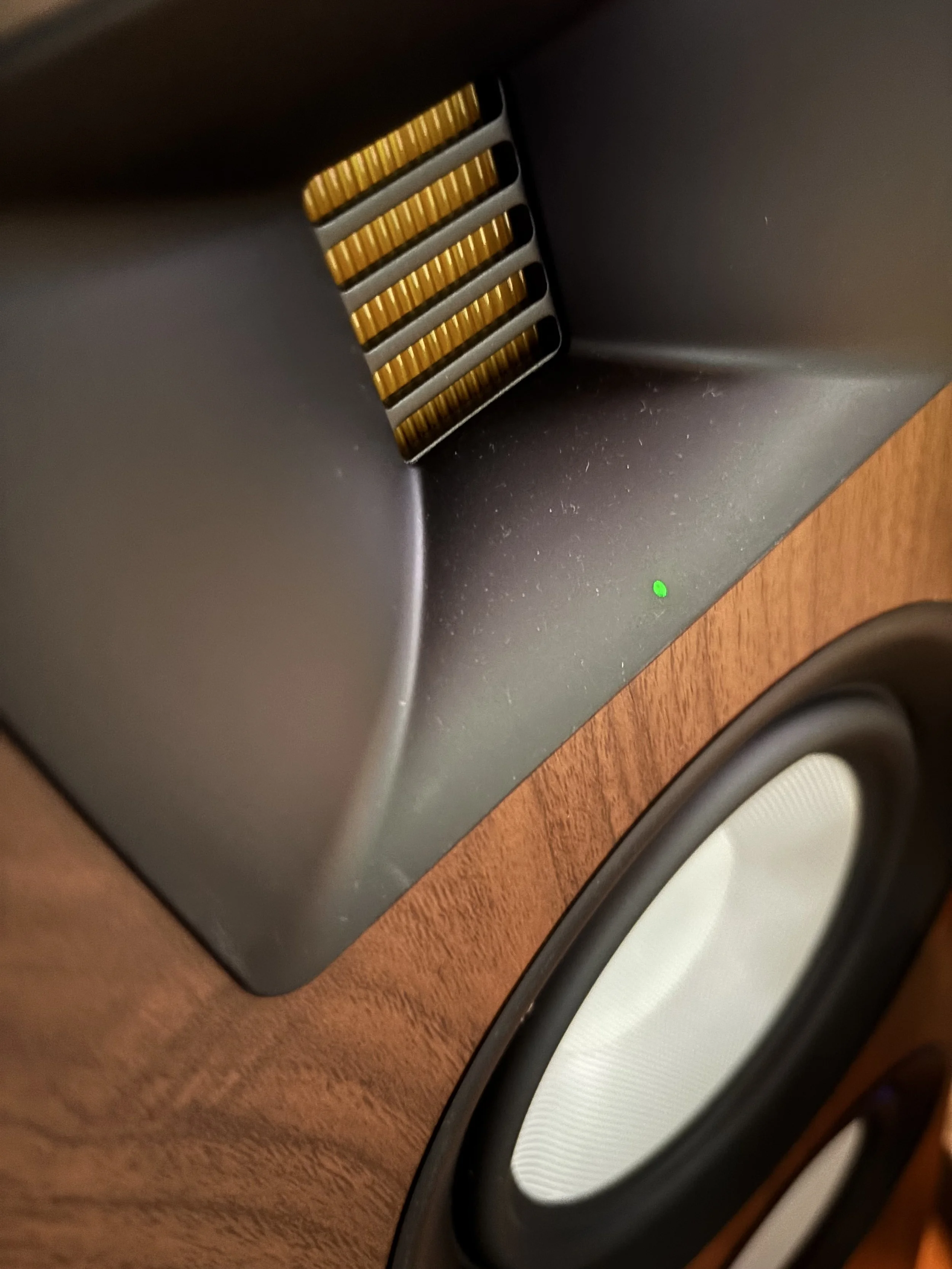
The physics hasn't changed, and that's the reassuring part. A speaker is still built from the same basic team of parts:
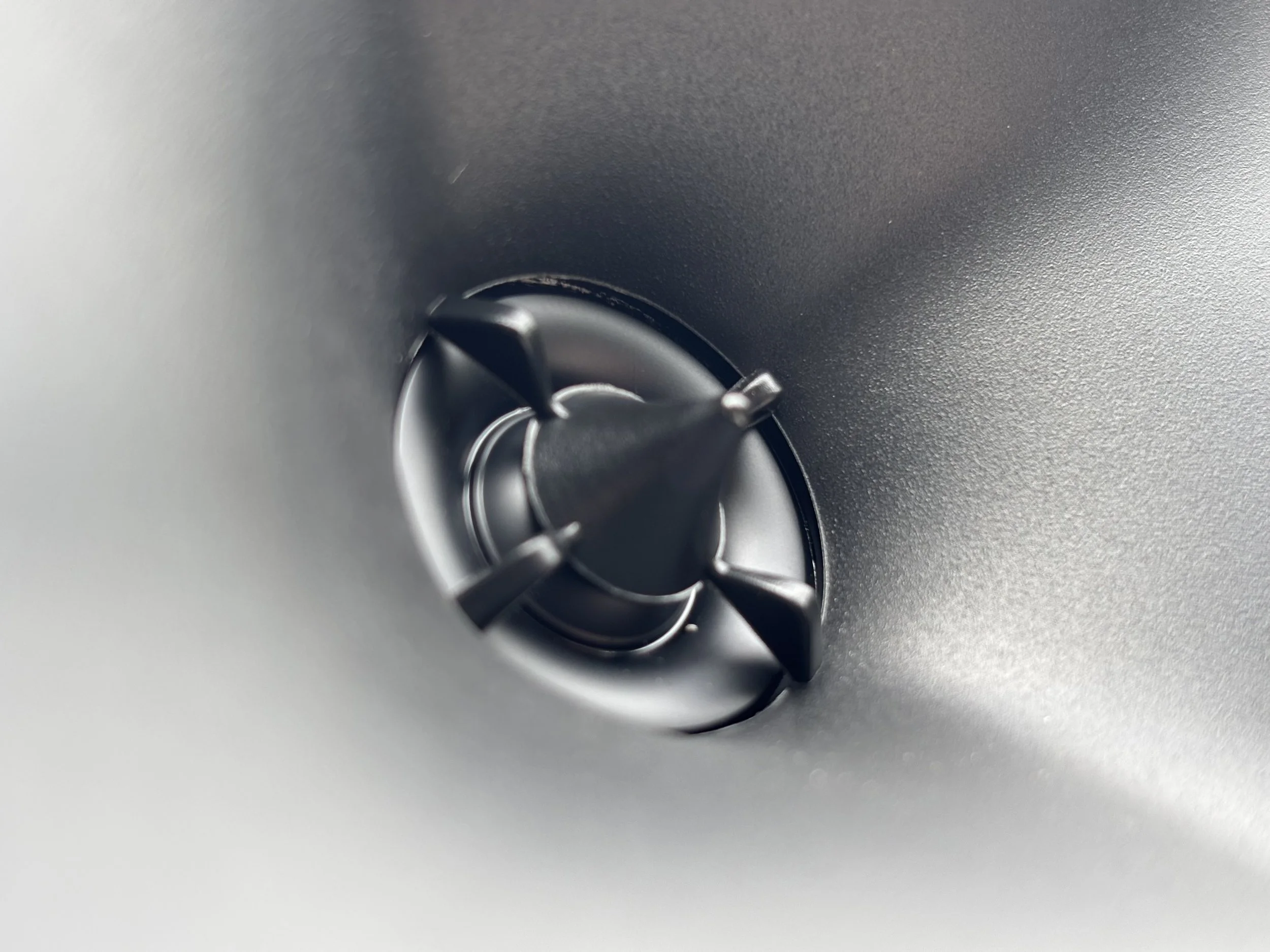
Tweeters still handle the highs, whether dome or ribbon.
Mid-range drivers still fill in the middle, still optional on simpler setups.
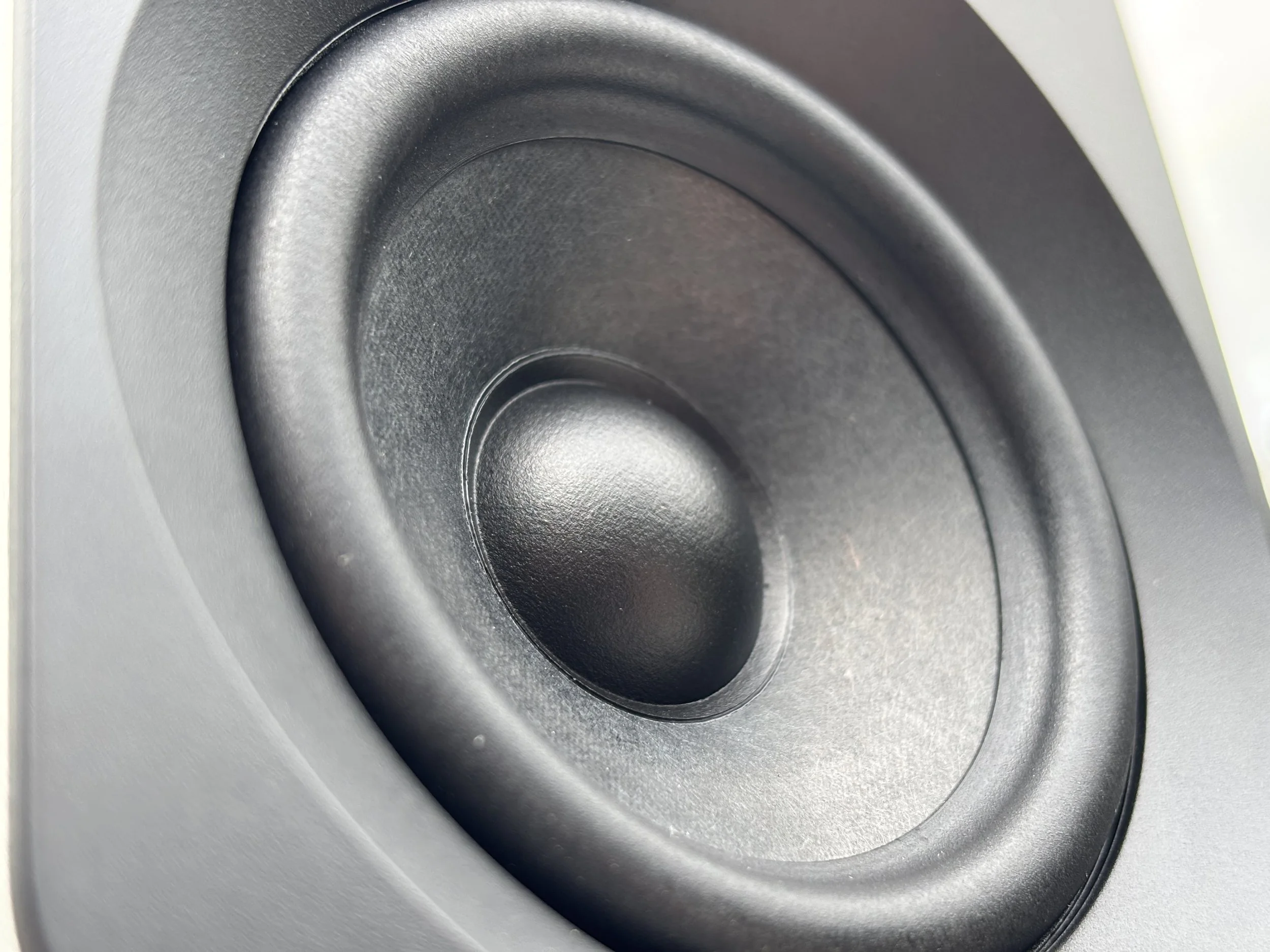
Woofers still push the bass, and subwoofers still reach for the frequencies you feel more than hear.
Crossovers still divide the labor between drivers so nothing steps on anything else.
Cabinets still matter, and wood is still the go-to material for taming resonance.
The bookshelf-versus-floor-standing debate hasn't gone anywhere either. Compact speakers are still the friendlier entry point — easy to place, easy to upgrade, still a little light in the bass without help. Tower speakers still deliver more room-filling, full-range sound at the cost of space and price. Neither has "won"; it's still a room-and-budget decision, not a right-answer decision.
Check out this new Amp From Marantz we covered!
And the closing advice from ten years ago is, if anything, more true now: listen before you buy. Specs and materials are a starting point, not a verdict.
One opinion from ten years ago I'll stand behind even harder today: if you have the space and the budget, towers are still the move. They've never stopped being excellent, and nothing wireless or "smart" has changed that calculus.
What's Changed
Wireless closed most of the gap. A decade ago, "wireless speaker" was shorthand for a compromise — a compressed, thinner-sounding version of the real thing. Modern Bluetooth codecs (things like aptX HD) and Wi-Fi-based multiroom systems have narrowed that gap enough that plenty of serious listeners now use wireless speakers as their main setup, not just a portable backup.
The room got a co-pilot. The old advice was "buy speakers that suit your room." Modern DSP and AI-assisted room correction can now analyze your listening space and compensate for placement far better than systems could a decade ago.
Measurements got better too—but your ears still matter. One of the biggest changes over the past decade is the explosion of objective speaker measurements. Today it's easier than ever to compare frequency response, directivity, and distortion before buying. That's a great thing—but measurements still can't tell you whether you'll love how a speaker sounds in your room. They're an incredible tool, not the final answer.
Everything got smarter, and more networked. Voice assistants, multiroom audio, and smart-home protocols like Matter are now standard considerations, not novelties. A speaker today is as likely to be a "smart home endpoint" as it is a standalone hi-fi component.
In-ceiling speakers changed as well, see my 10 year thoughts here!
Sustainability entered the materials conversation. Alongside the classic wood cabinet, you're now seeing recycled aluminum, concrete, and even early bio-based composites, plus a growing push toward modular, repairable designs — replaceable batteries and drivers instead of disposable units. Eco-firendly is more common now, if thats your cup of tea.
Dialogue got harder to hear, so the center channel got far, far more important. This is the one that surprised me most going back over the old piece — a decade ago, a center channel felt almost optional for casual setups. Not anymore. So much of what we stream now is mixed in a way that buries dialogue under music and effects, and a dedicated center channel is doing more work than ever to keep speech intelligible. If you're building any kind of home theater setup today, this isn't optional: get a center channel, full stop.
Portability got serious. Battery life, durability, and true wireless stereo pairing have gone from nice-to-haves to headline features, especially as portable and outdoor speakers now make up the bulk of the market.
The Verdict, Ten Years On
The core advice ages well because it was never really about the technology — it was about how to think about buying speakers. That part hasn't changed. What's changed is how much of the work a speaker will now do for you, and how much it wants to talk to the rest of your house while it does it.
Looking for a new projector to go with your speakers? Check out our guide here!
And one more thing worth adding this time around: have fun with it. Go listen to everything, even the types of speakers you were sure you didn't like five or ten years ago. Tech shifts, tuning shifts, your own ears shift — a speaker that didn't do it for you a decade ago might be exactly what you love now. The only way to find out is to keep listening.
Still, the last line from ten years ago holds up better than almost anything else in that piece: it's hard to argue with your own ears.