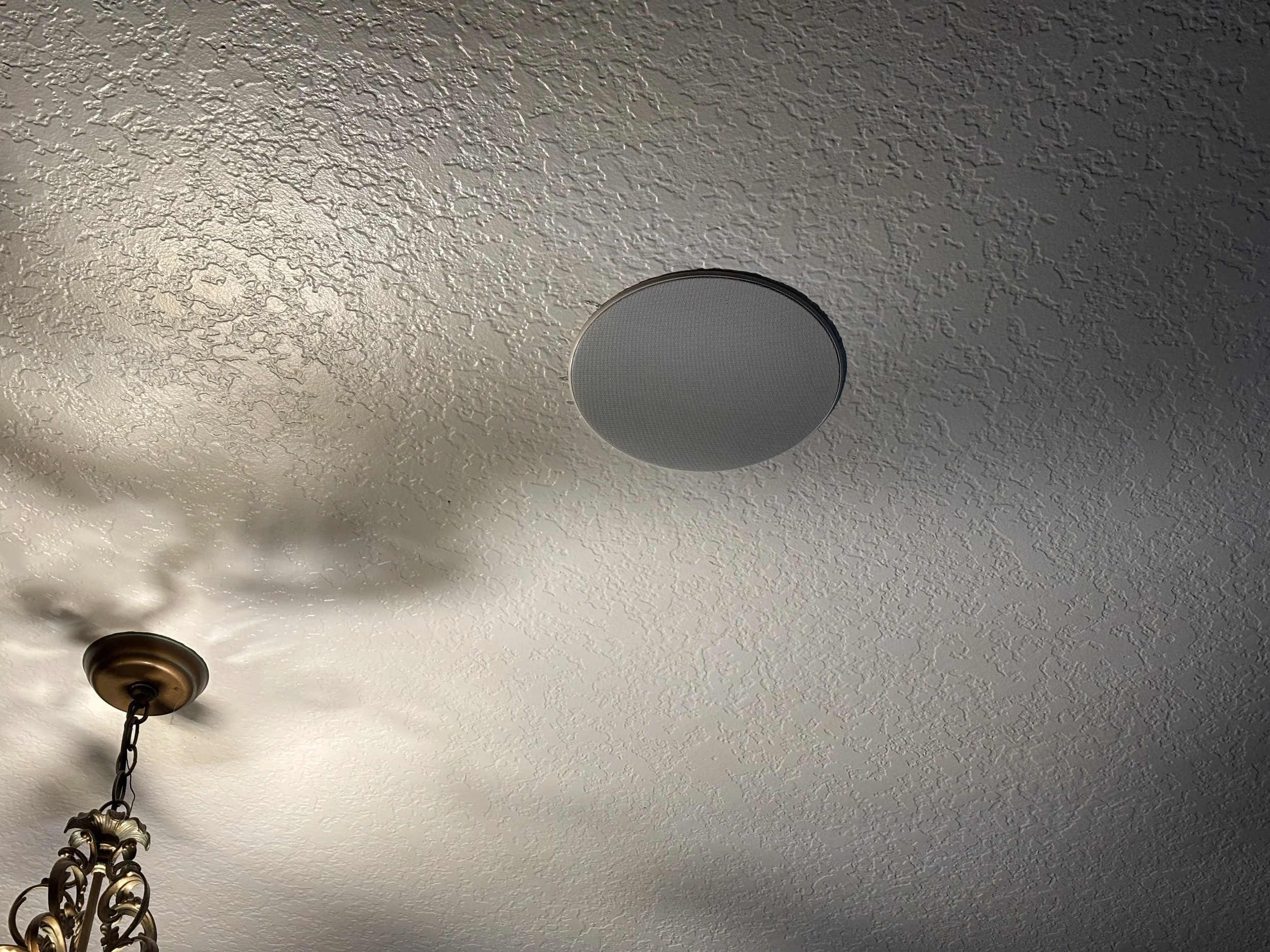
In-Ceiling Speaker Buyer's Guide: What You Should Know Before Cutting Your Ceiling
Disclosure: We may earn a commission when you purchase through links on our site. This does not influence our reviews or recommendations.
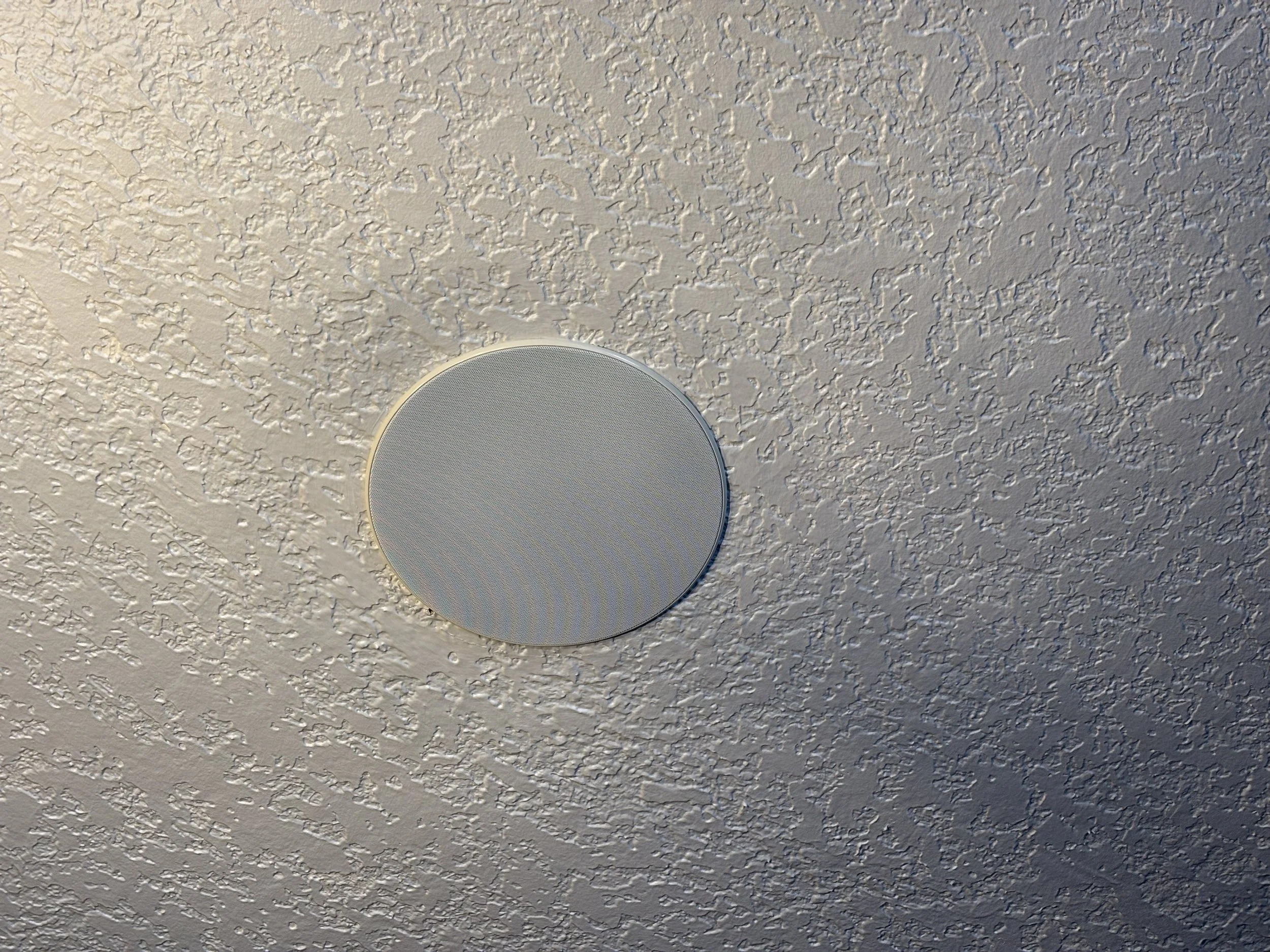
In-ceiling speakers have become one of the most popular ways to add music or surround sound to a home without cluttering up the room. Whether you're building a dedicated theater, upgrading a living room, or just want background music through the house, today's options offer better performance and more variety than ever. Nearly every speaker manufacturer now makes some kind of in-ceiling product, in dozens of sizes, styles, and finishes.
I wrote the original version of this guide back in 2016. Most of the fundamentals below haven't changed. But one thing has, and it's worth addressing up front.
Editor's Note: This article is a complete 2026 update of a buyer's guide I originally published on Home Theater HiFi in 2016. While many of the fundamentals still apply, wireless audio, smart home technology, and home theater design have changed dramatically over the past decade. This guide has been rewritten to reflect today's products, installation practices, and recommendations. You can also read the original 2016 article here.
Best deals on speakers on Amazon!
The Wiring Question Has Flipped
Back in 2016, my advice was simple: if you wanted the best results, you ran wire. Today, I'm not so sure that's still true for everyone.
Wireless speaker technology has come a long way in the past decade. If your home isn't already prewired, cutting into drywall and fishing cable through ceilings often costs more than just going wireless. A set of wireless rears is a lot cheaper than opening up a ceiling to install new ones, and complete wireless surround kits have gotten good enough that they're a legitimate option, not just a compromise.
Building a new home? Run the wire. You'll never regret having it in the walls, and it's far cheaper to install now than to retrofit later.
Already have an existing home with no wiring? Think it through before you start cutting holes. Ten years ago I'd have told you to fish the wire regardless. Today, by the time you've paid someone to cut drywall, run cable, patch the ceiling, repaint, and mount the speakers, you've often spent more than a quality wireless setup would have cost you.
Already have ceiling speakers installed? You're in good shape. Most homeowners in this position can upgrade from basic builder-grade speakers to larger, better ones without touching the existing wiring.
In-wall subwoofers are still an option too, but they remain difficult and expensive to retrofit. For most existing homes, I'd stick with a traditional powered subwoofer paired with an inexpensive wireless sub kit. If you can hide the sub near an outlet, that's usually the simplest and most cost-effective route.
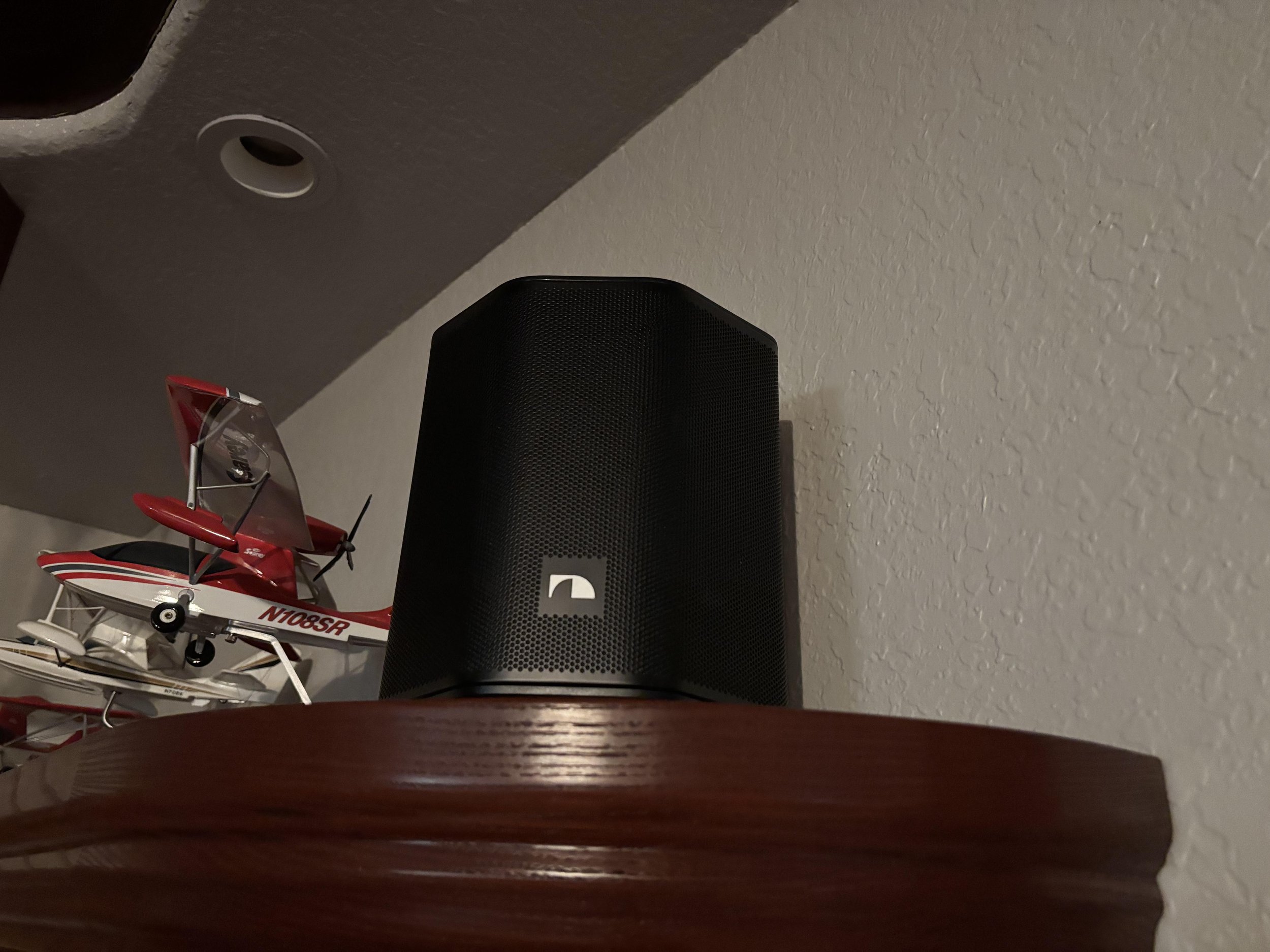
Wireless surround speakers have gotten loads better, like this Nakamichi rear speaker.
What Size Speaker is best?
4 inches and smaller Best when keeping the speaker as unobtrusive as possible is the priority — hallways, bathrooms, kitchens, background music. Don't expect much in the way of bass or low-end power; that's the tradeoff for the smaller footprint. I still prefer this size for most rooms were audio isn’t expected.
6 inches The best all-around size even 10 years later, and the one I'd point most people toward. It handles background music, Dolby Atmos, rear surrounds, and even front left-center-right duty without much compromise. Generally the best value for the money. That hasn’t changed
8 inches Best when you need more low-end output and dynamic range — larger rooms or a primary listening space. The tradeoff is cost and visibility; 8" speakers are more noticeable on the ceiling and typically run more expensive, and they need a good amplifier behind them to perform properly. The rarest to install, as they cost the most and are most visible and often fail the WAF (wife acceptance factor).
Best deals on speakers on Amazon!
best place to have them Installed?
Proper placement matters as much as the speaker itself. Most models fire straight down, but some can be tilted a few degrees off-axis to better aim the sound at the listening area — check that any speaker you're considering can accommodate that if you need it.
Keep speakers symmetrical to the room and in line with existing ceiling fixtures like recessed lighting. Whether you're chasing pure audio quality or just want something less visible than a floorstander or bookshelf speaker, correct placement is what determines whether you actually get that.
A few other things that haven't changed:
Use at least 16-gauge wire, 12-gauge if you can. Avoid running it near power cables or evening crossing them — proximity to electrical wiring causes interference that noticeably hurts audio quality.
Use a back-box if you can get one. It encloses the back of the speaker and helps project clearer sound into the room, improving both frequency range and output. Most manufacturers offer one; if not, a basic one can be built at home. Worth the effort.
Don't skimp on your wire terminations. Good five-way binding posts at the head end and a well-labeled wall plate make for a cleaner install and an easier time down the road.
Measure twice, cut once. A few extra minutes of planning saves hours of repair work later. Always leave extra wire at both ends!
Round or Square Speakers, the debate continues!
Round integrates better when the room already has other round fixtures, and it's the more common choice for surround channels.
Square shows up more often as an in-wall speaker, but it still has a place on the ceiling — particularly for front LCR setups or in rooms with a more square layout.
There's no hard rule here. Look at the room and the existing fixtures before deciding.
The Bottom Line
The biggest change in the last decade isn't the speakers — it's the alternatives. In 2016, running wire was almost always the right call. Today, wireless has matured enough that a lot of homeowners can get excellent surround sound and whole-home audio without opening a single wall. The biggest mistake homeowners make isn't buying the wrong speaker—it's choosing the wrong installation method.
In-ceiling speakers still strike a great balance between staying out of sight and sounding good, which is exactly why they remain so popular. If you're building new, wire for them now. If you're retrofitting, don't assume cutting into the ceiling is your only option — sometimes the easiest upgrade is also the smartest one.