I Never Thought I'd Recommend a Prebuilt PC...Until Now
Disclosure: We may earn a commission when you purchase through links on our site. This does not influence our reviews or recommendations.
Fifteen years ago I'd have laughed if someone told me to recommend a prebuilt. I never would have considered one ever.
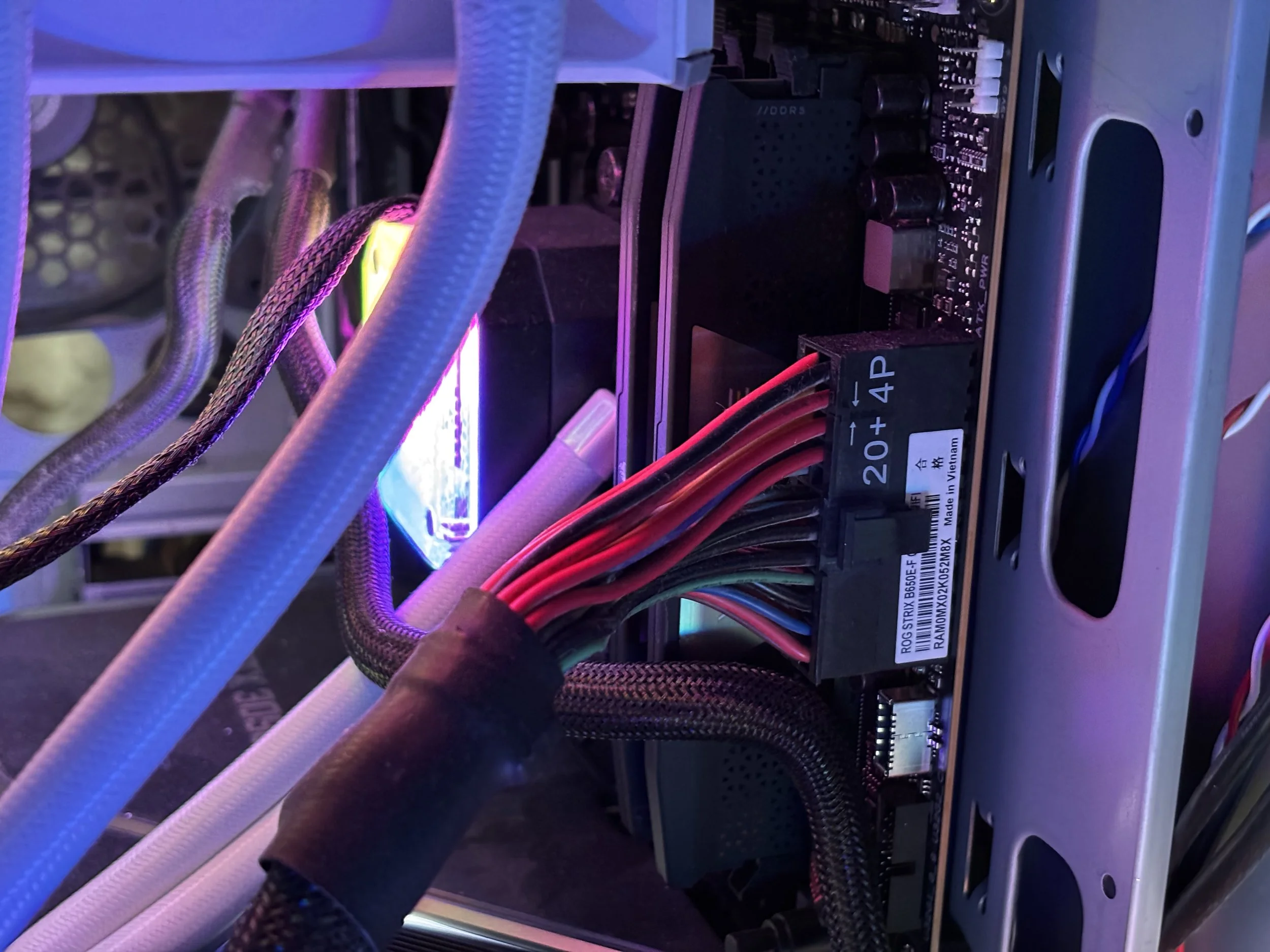
Back then, prebuilts were basically a warning label. You'd crack one open and find a proprietary motherboard that didn't fit any standard case, a junky power supply that looked like it was scavenged from a microwave, and just enough cable management to make sure nothing was serviceable. Want to upgrade the GPU in two years? Good luck, the power supply can't handle it and the case won't fit anything bigger anyway. Prebuilts weren't a starting point back then. They were a dead end with a nice sticker on the front.
So when I got into building my own PC, it wasn't really a choice, it was the only way to end up with something that actually worked the way you wanted and could grow with you. Custom builds meant real parts, real airflow, and the ability to swap a single component without gutting the entire machine. Prebuilts meant hoping the thing you bought still ran a game two years later.
Best Prebuilt deals on Amazon!
Somewhere Along the Way, That Flipped
I didn't expect that to change, but it did. Prebuilt manufacturers actually started using real parts. You'll find machines running RTX 5060s and 5070s at prices that, during a GPU shortage or a rough pricing stretch, can undercut buying the same card standalone. That's not a small thing. That's the exact math that used to make prebuilts a joke now working in their favor.
On top of that, a lot of these builds come with a Windows license already baked into the price, a CPU cooler that doesn't need replacing on day one, and an actual warranty covering the whole system rather than piecing together separate warranties from five different manufacturers and hoping none of them argue about whose fault a problem is. When you add up a license, a cooler, a warranty, and a GPU that's already at a fair price, the gap between "build it yourself" and "just buy the prebuilt" has narrowed a lot more than I ever expected it to.
I still don't love prebuilts as a concept. I don't think I ever will, that's fifteen years of bias that isn't going away. But I can separate what I prefer from what actually makes sense for someone walking into this hobby for the first time.
The Twist: It's Not the Destination, It's the Entry Point
Here's where I land, and it surprised me to land here. I'm not telling you prebuilts are better than custom builds. I'm telling you they're a legitimate way in.
Buy a decent prebuilt. Don't overthink the choice, just get something reasonable with a GPU generation that isn't ancient. Use it. Actually live with it for a while and figure out what bothers you and what doesn't. Then start touching it.
Add more RAM when you notice things chugging. Drop in a second SSD when you run out of space, because you will. Replace the GPU when a real jump in performance shows up, the same jump I'd tell you to wait for anyway. Eventually, when the CPU is the thing holding you back, swap that too.
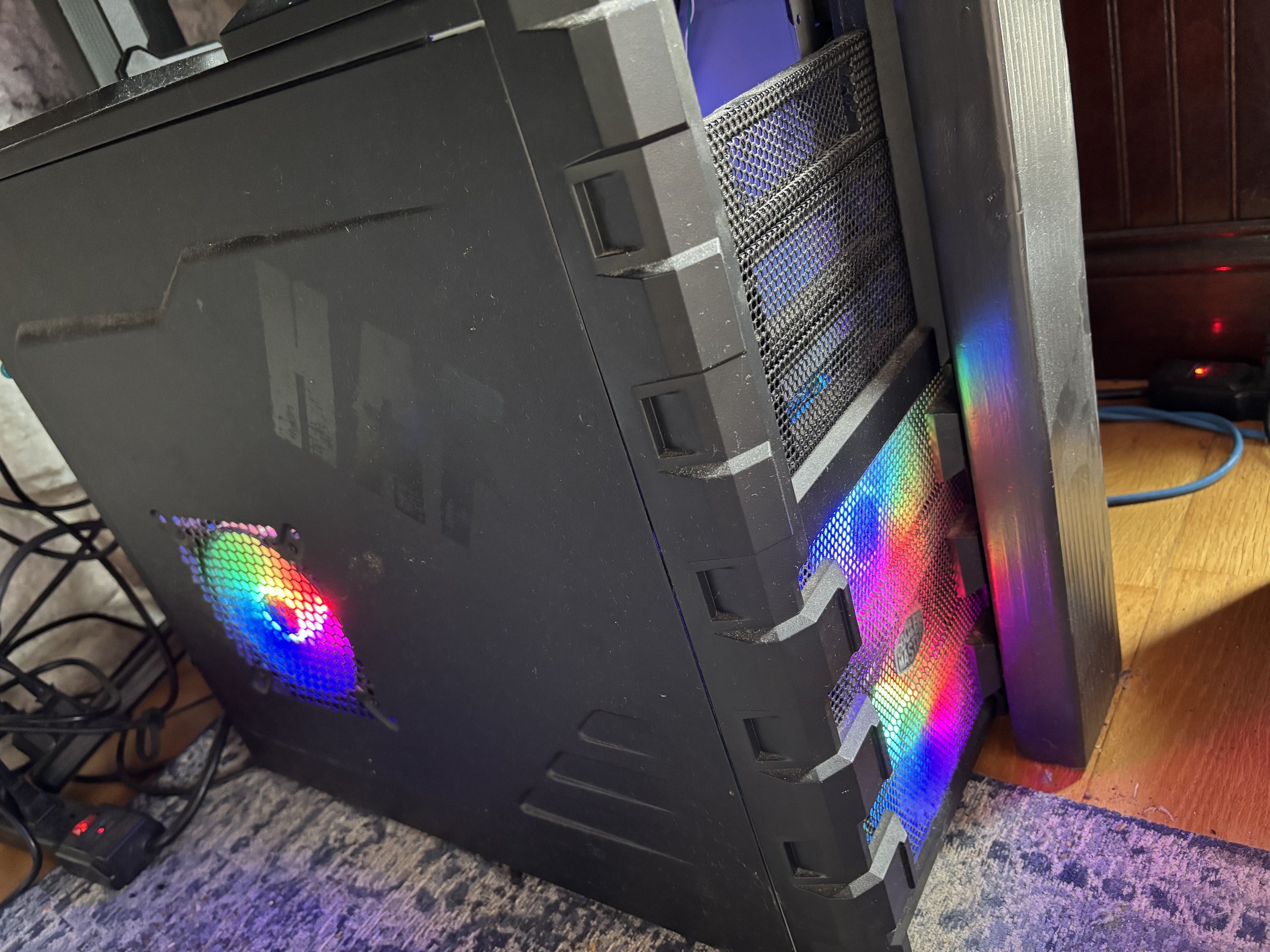
Do that enough times, and here's the part I actually love: five years later, you've replaced every meaningful component in that machine one at a time. The case might be the only original part left. You didn't sit down one weekend and build a custom PC from scratch. You backed into building one anyway, piece by piece, driven by need instead of hype, learning what each part actually does along the way instead of cramming it all into a single stressful build day.
That's not a consolation prize. That's arguably a better way to learn this hobby than the way I learned it. I bought every part at once, plugged it all in, and hoped for the best. You'll actually understand what a power supply rating means, why airflow matters, why a bottleneck shows up where it does, because you'll have solved each of those problems individually instead of reading about them in a guide.
I never thought I'd say this, but if you're brand new to PC building: buy the prebuilt. Then spend the next few years quietly, accidentally, building your own machine.