Why I Only Upgrade One PC Part a Year (And My PC Has Never Been Better)
Disclosure: We may earn a commission when you purchase through links on our site. This does not influence our reviews or recommendations.
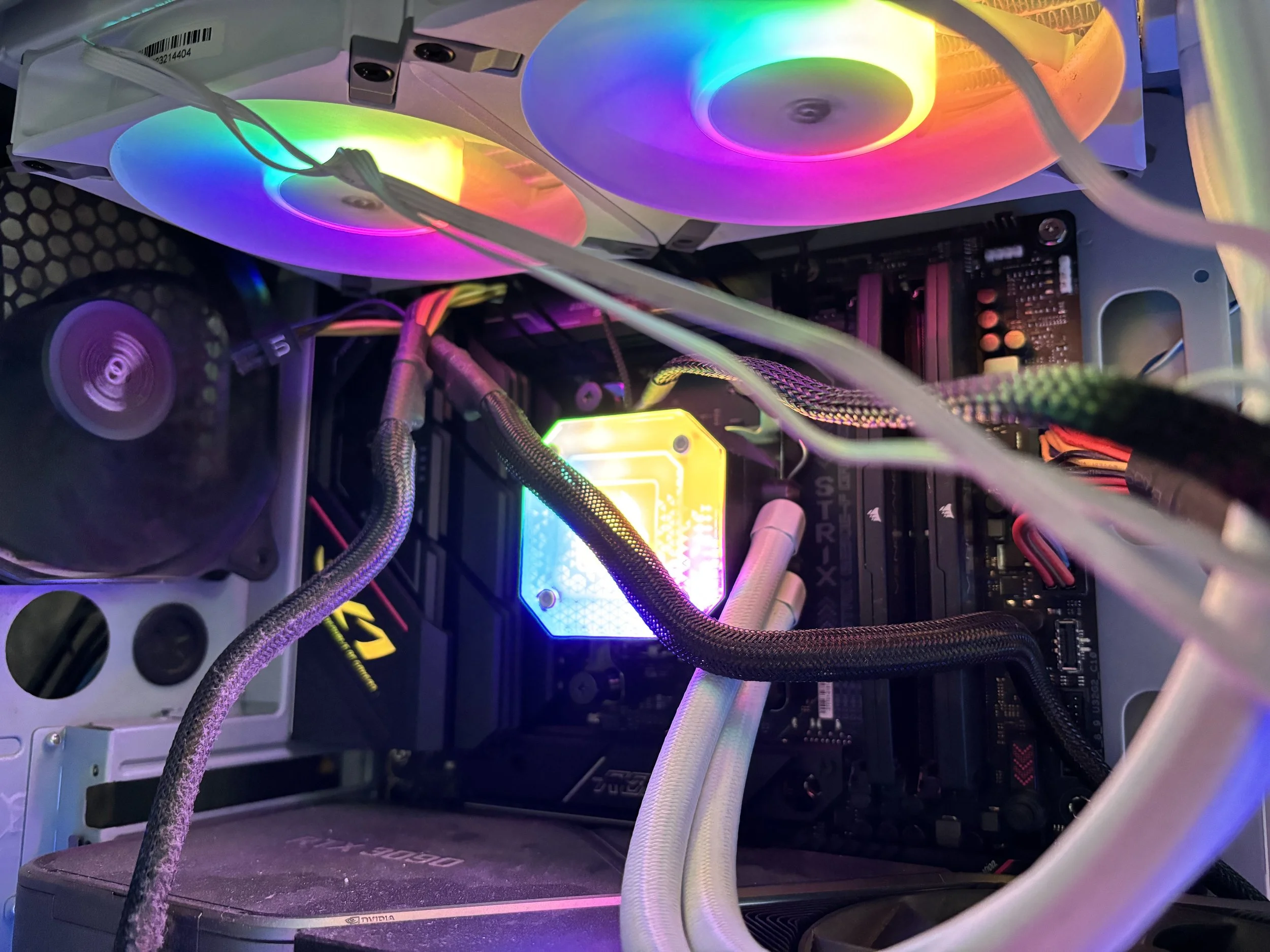
I built my first custom PC over 15 years ago, and back then I was a serial upgrader, I loved watching Linus tech tips on YouTube everyday. New GPU every year, sometimes twice a year if a good deal came along. More RAM the second I felt a stutter. A new SSD the moment prices dropped 10%. I treated my PC like a project that was never actually finished, and honestly, part of the fun was never letting it be finished.
I don't do that anymore. These days I upgrade exactly one part a year, sometimes not even that. And it's not because I lost interest in PC building. It's because the entire calculus of upgrading has changed, and if you're still operating on the old rules, you're probably overspending for less than you think.
Parts Used to Age Fast. They Don't Anymore.
Fifteen years ago, a CPU could feel outdated in two or three years. Generational jumps were huge, software caught up fast, and if you sat on the same processor too long you'd genuinely feel it. That urgency doesn't really exist anymore. Modern CPUs are monsters. A high-end chip from a few years ago still handles gaming, editing, and everyday multitasking without much complaint. The generational leaps are still real, but they're not the kind of leap that makes your current setup feel broken. They make it feel merely "not the newest."
That's an important distinction. There's a difference between hardware that's holding you back and hardware that's simply not top-of-the-line. For years, I confused the two. I don't anymore.
The Money Math Changed Too
Here's the part that really shifted my thinking: prices didn't just go up, they went up while the actual jump between generations got harder to justify on a yearly basis. GPUs in particular have hit a point where a "new" release often isn't worth buying unless you're skipping at least one, sometimes two, generations. The cost has escalated to the point where chasing every release is a losing game, both for your wallet and for the actual performance-per-dollar you get out of it.
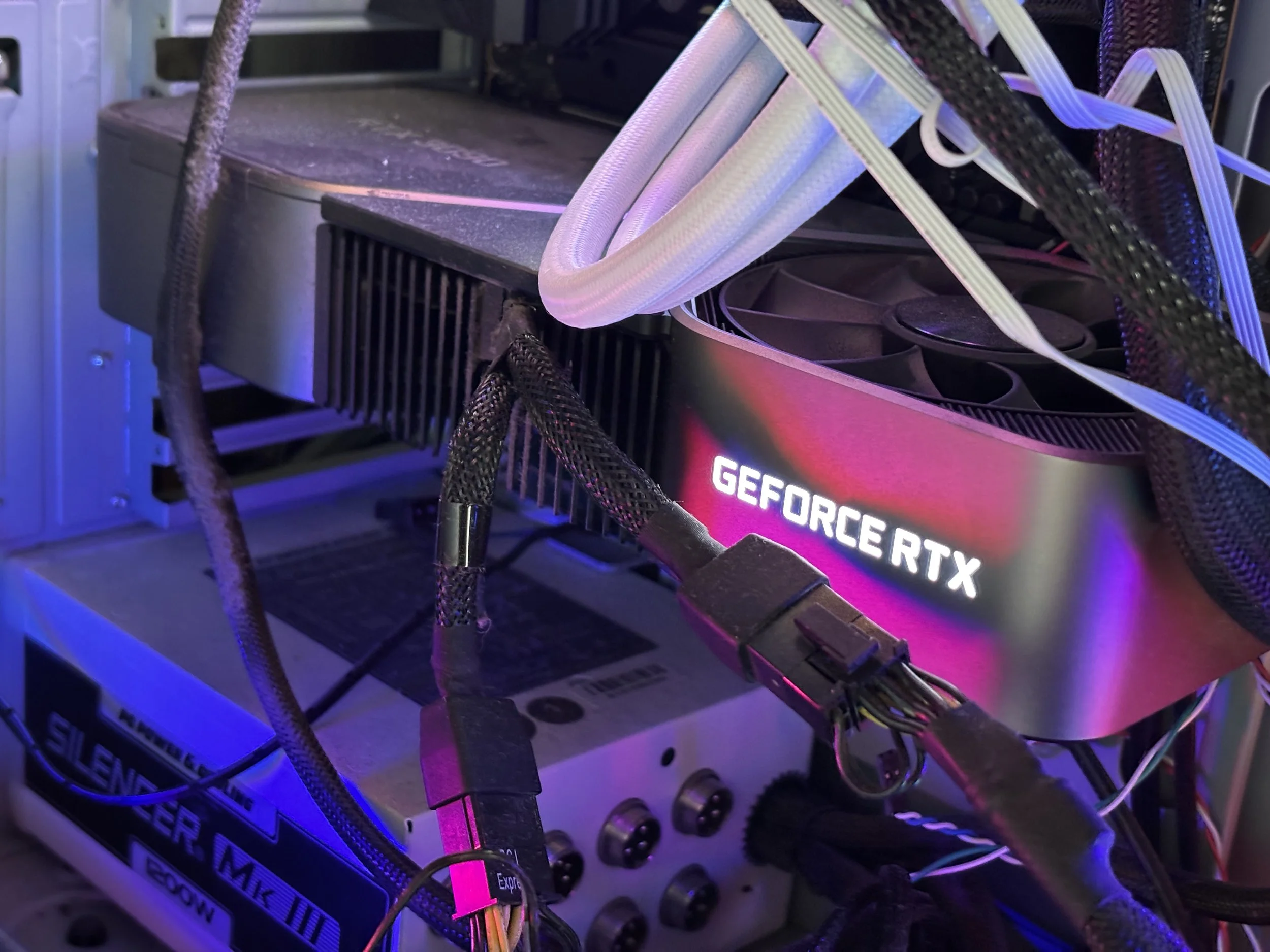
So instead of buying every GPU release, I wait. I wait for the generation that actually delivers a meaningful jump, not the paper-spec bump. That might mean sitting on the same card for three years instead of upgrading every twelve months. It's a harder discipline than it sounds, especially when marketing wants you to believe every release is "the one." Most of them aren't.
SSDs and RAM tell a similar story, just quieter. Both categories matured to the point where the difference between "good enough" and "cutting edge" barely shows up in day-to-day use. A fast SSD from a few years back still loads games and boots your system in a blink. More RAM only matters once you actually hit a ceiling, and most people don't hit that ceiling nearly as often as they think.
Waiting for the Jump, Not the Update
So this is where I've landed: I don't upgrade on a schedule. I upgrade when something feels transformative, not just incremental. That's a moving target, and it means some years I do nothing at all.
In practice, it looks something like this:
One year, it's a new GPU, because a generation finally delivered a real leap and the price-to-performance made sense.
The next year, it might just be storage, because drive prices dropped and I wanted more room without touching anything else.
Some years, it's a monitor, because the panel technology moved forward more than anything inside the case did.
And some years, it's nothing. I look at what's available, decide none of it changes my experience enough to matter, and I close the tab.
That last option, doing nothing, is the one most PC builders struggle with. We're wired to treat a new release as a decision point, when really it's just information. You're allowed to look at a new GPU launch and shrug.
Let Your PC Evolve
Your PC doesn't need to be rebuilt every two years anymore. Let it evolve. You'll spend less money, appreciate each upgrade more, and end up with a better machine in the long run.