Why Chi-Fi Is So Good Now: Fosi Audio, Topping, SMSL and the Affordable Hi-Fi Revolution
Disclosure: We may earn a commission when you purchase through links on our site. This does not influence our reviews or recommendations.
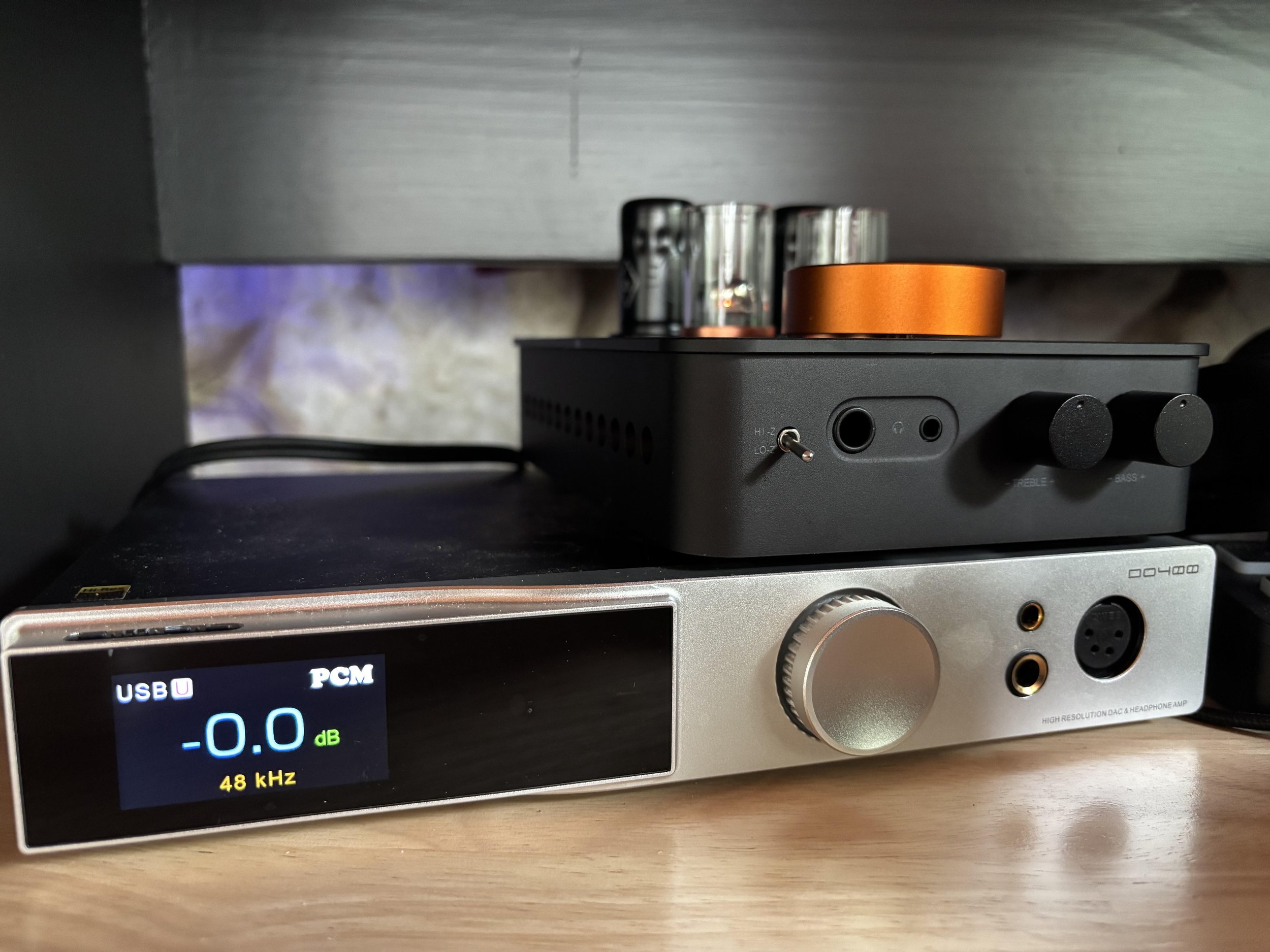
Let's get this out of the way first: it's not 2009 anymore.
If your mental image of "cheap Chinese audio gear" is some sketchy little amp from an eBay listing with a power rating that had nothing to do with reality, I get it. That stuff existed, and it earned Chi-Fi a bad reputation for a while. But that era is long gone, and if you haven't looked at this space in ten years, you're missing out. And yeah, I bought some Topping gear on eBay back in the day, like 2013 I think, it’s was trash.
Chi-Fi got good. Like, actually good.
It Made Hi-Fi Fun and Accessible Again
There was a stretch where getting into "real" hi-fi meant saving up for a while and buying into a full separates system before you even knew what you liked. That's a rough way to learn and it wasn’t cheap, still isn’t.
Chi-Fi flipped that. Now you can grab a DAC, a headphone amp, or a little Class-D power amp for well under the cost of a nice dinner out and actually start playing around. Swap a DAC. Try balanced connections. Roll some op-amps. Add a subwoofer output. None of it requires a four-figure buy-in, and none of it feels like a throwaway purchase you'll regret once you know more.
That's the real magic here — the entry price collapsed, but the quality didn't and its still fun.
It's Not Replacing Your Big Separates System
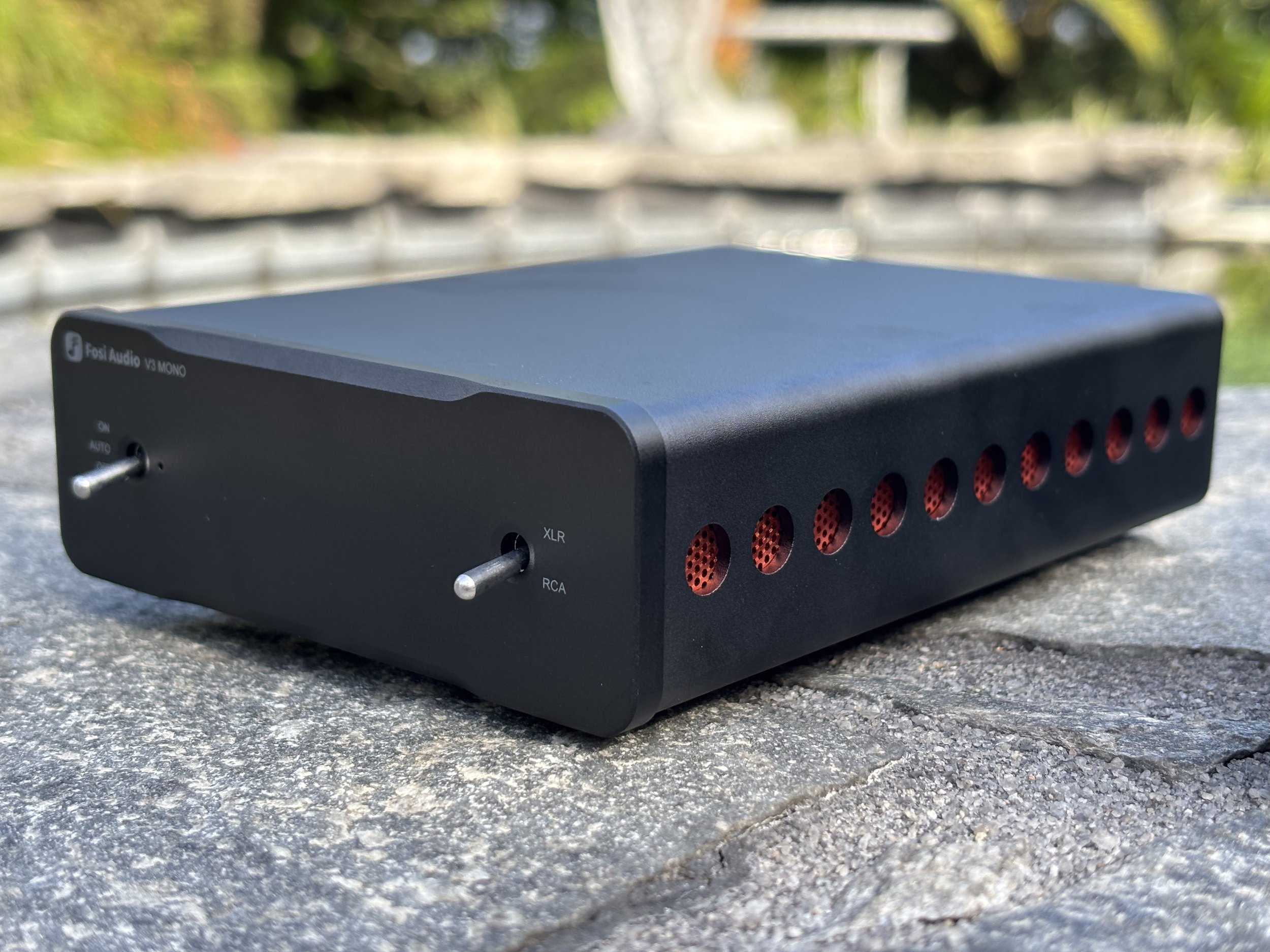
I want to be clear about something, because this is where people get weird about it: no, a $150 Fosi amp isn't going to dethrone a full-size McIntosh or Rotel stack pushing a pair of big floorstanders. That's not the argument, and anyone telling you otherwise is selling something.
Full-size gear still has real advantages — bigger power supplies, more headroom, better thermal management, dealer support, and the kind of build quality you expect to hand down to your kids.
But here's the thing: how much of your listening actually happens in that kind of room?
Where Chi-Fi Absolutely Crushes It
Your desk. Your bedroom. A small apartment. A gaming setup. A pair of bookshelf speakers a few feet from your face.
This is the stuff Chi-Fi was basically built for, and it's ridiculous how capable it's gotten. You can build a legitimate desktop separates system — DAC, amp, speakers — without giving up half your desk real estate. Some of these amps are the size of a deck of cards and still throw more power than you'll ever actually need in a nearfield setup.
A Few Starter Picks If You Want to Jump In
You don't need a spreadsheet to get into this stuff, but a few names are worth knowing as jumping-off points:
Fosi Audio ZA3 — tiny Class-D power amp, balanced inputs, mono or stereo, sub output. A ridiculous amount of amp for the money.
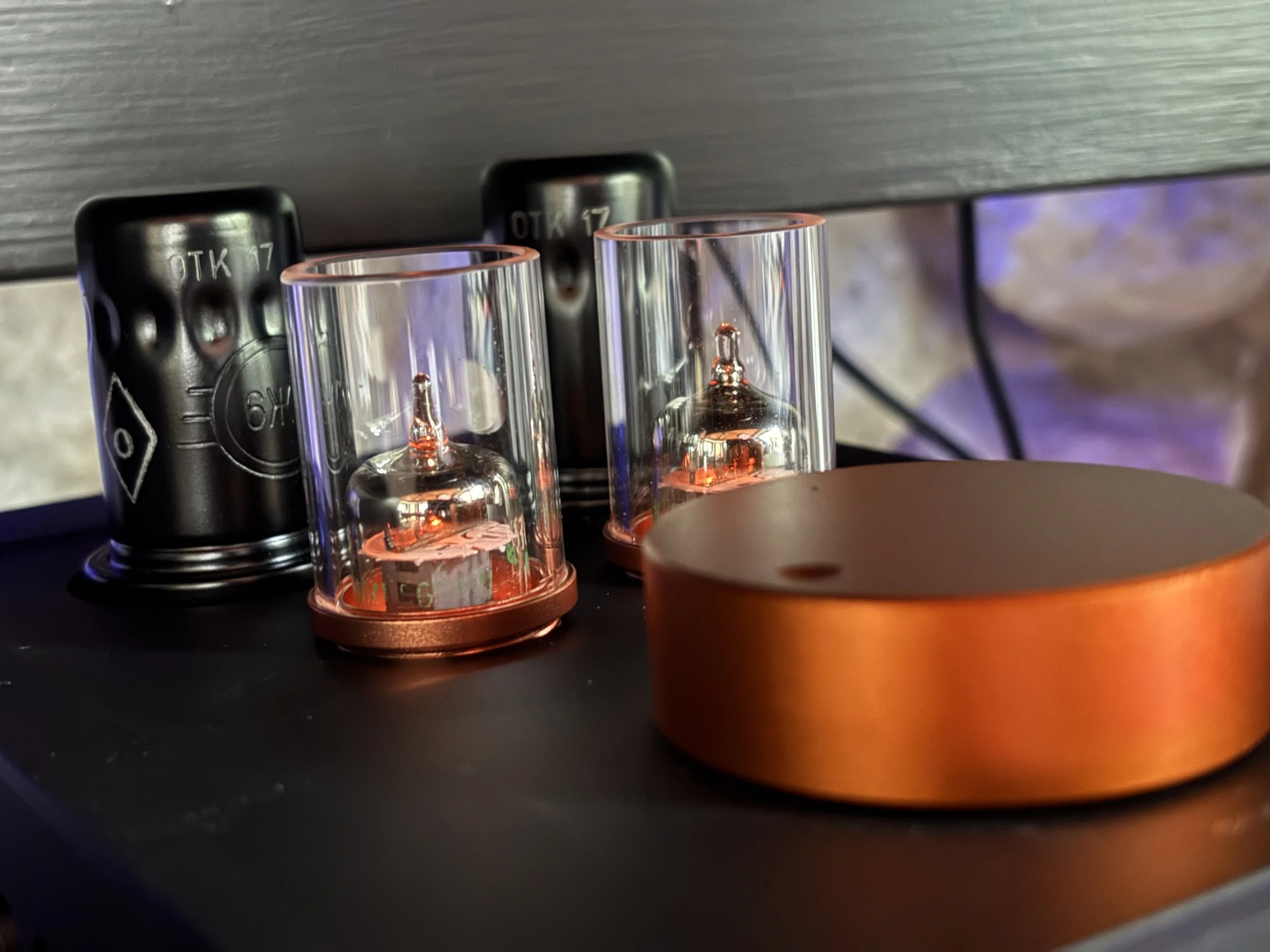
Fosi Audio GR70 — want tubes on your desk? This gets you an actual tube headphone amp/preamp with tone controls for cheap.
Topping E30 / L30 combo — a DAC and headphone amp pairing that punches way above its price for clean, measured performance.
SMSL SU-1 or SP200 — SMSL keeps stuffing more features into smaller boxes; either is a solid desktop DAC/amp starting point.
Aiyima A07 — no-frills Class-D amp if you just want good power for cheap and don't need extra bells and whistles.
Schiit Magni/Modi stack — not Chi-Fi (Schiit's American), but same spirit: small boxes, real performance, buy what you need. I had an early Magni/Modi stack years ago and it was one of the easiest on-ramps into desktop audio I've ever used. Schiit's still making good stuff today.
Mix and match. Half the fun is figuring out what pairing works for your ears and your space.
What Chi-Fi Still Doesn't Fix
I'm not going to pretend it's perfect. Support varies wildly brand to brand. Long-term repairability is a question mark on some products. Product cycles move fast, so what's the hot pick this year might get replaced in eighteen months. Quality control, while way better than it used to be, still isn't as consistent as a company that's been building the same amp for two decades.
And there's still something to be said for a beautifully built traditional component you expect to own for 20 years.
Chi-Fi doesn't erase any of that. It just gives you another option — and for a lot of us, it's the option that actually makes sense.
So Should You Buy In?
If you're just getting into hi-fi, yeah, absolutely start here. You can build a genuinely good system, experiment freely, and not blow your budget doing it.
And if you already have a big traditional rig but want something for the desk, the bedroom, or the office? Chi-Fi might be an even better fit there. Compact, legitimately good-sounding, and packed with features that used to cost real money.
It's not 2009 anymore. Chi-Fi grew up, and honestly, it's one of the most fun corners of this hobby right now. Check out the best DACs under $100 article here!