The Best IEMs Under $300: I Tested Everything From $25 Budget IEMs to $300 Audiophile Models — Here’s What I’d Actually Buy
Disclosure: We may earn a commission from purchases made through links in this article. Review samples may be provided by manufacturers, but this does not influence our opinions.
You typed "best IEMs" into a search bar and now you're staring down 400 listings, a wall of acronyms, and reviewers arguing about whether a $50 pair is "giant-killing" or "unlistenable garbage." Nobody agrees on anything except that you should probably feel confused.
You shouldn't.
This is the guide for someone who wants great sound and doesn't want a part-time job figuring out how to get it. Ironically that’s kinda what I do… No spec-sheet worship, no pretending more drivers automatically means better sound (it doesn't — more on that in a second), and no assuming you need to spend $700 to enjoy music through a pair of earbuds.
Two labels you'll see throughout:
Tested by UTR — I've owned these, lived with them, and formed an actual opinion through my own ears.
Research Pick — I've had these in hand and seen them reviewed extensively, but haven't done critical listening myself yet. Solid picks, just flagged honestly.
Picks get promoted from Research to Tested as I spend more time with them, and the article gets updated as new stuff worth caring about shows up. Consider this a living doc, not a one-and-done list.
One honest note before we start: this market is massively confusing and absurdly crowded. I have four or five sets on my desk at any given time because review samples never stop showing up, and even I struggle to keep them all straight. Price is not a reliable guide here — I've heard $50 IEMs that embarrass $300 ones, and I've heard $300 IEMs that make $50 ones sound like toys. It genuinely goes both ways. My honest advice: don't treat this like a competition with one correct answer, because there isn't one right now. Grab a couple of pairs in your range, have fun comparing them, and trust your own ears over anyone's ranking — including mine.
First, Kill This Myth: More Drivers ≠ Better Sound
This is the trap almost everyone falls into early.
One IEM has a single dynamic driver. Another has five. Another straps together dynamic drivers, balanced armatures, and something with a name you've never seen before, like it's trying to win a spec-sheet arms race.
More must be better, right?
Not even close. Driver count affects what an IEM is capable of, but tuning is what actually determines whether it sounds good. A well-tuned single-driver IEM will beat a sloppy five-driver IEM every time. Manufacturers know "6 drivers!" sells better than "well-tuned," so don't let a number on a box do your thinking for you.
Buy the sound. Ignore the driver count.
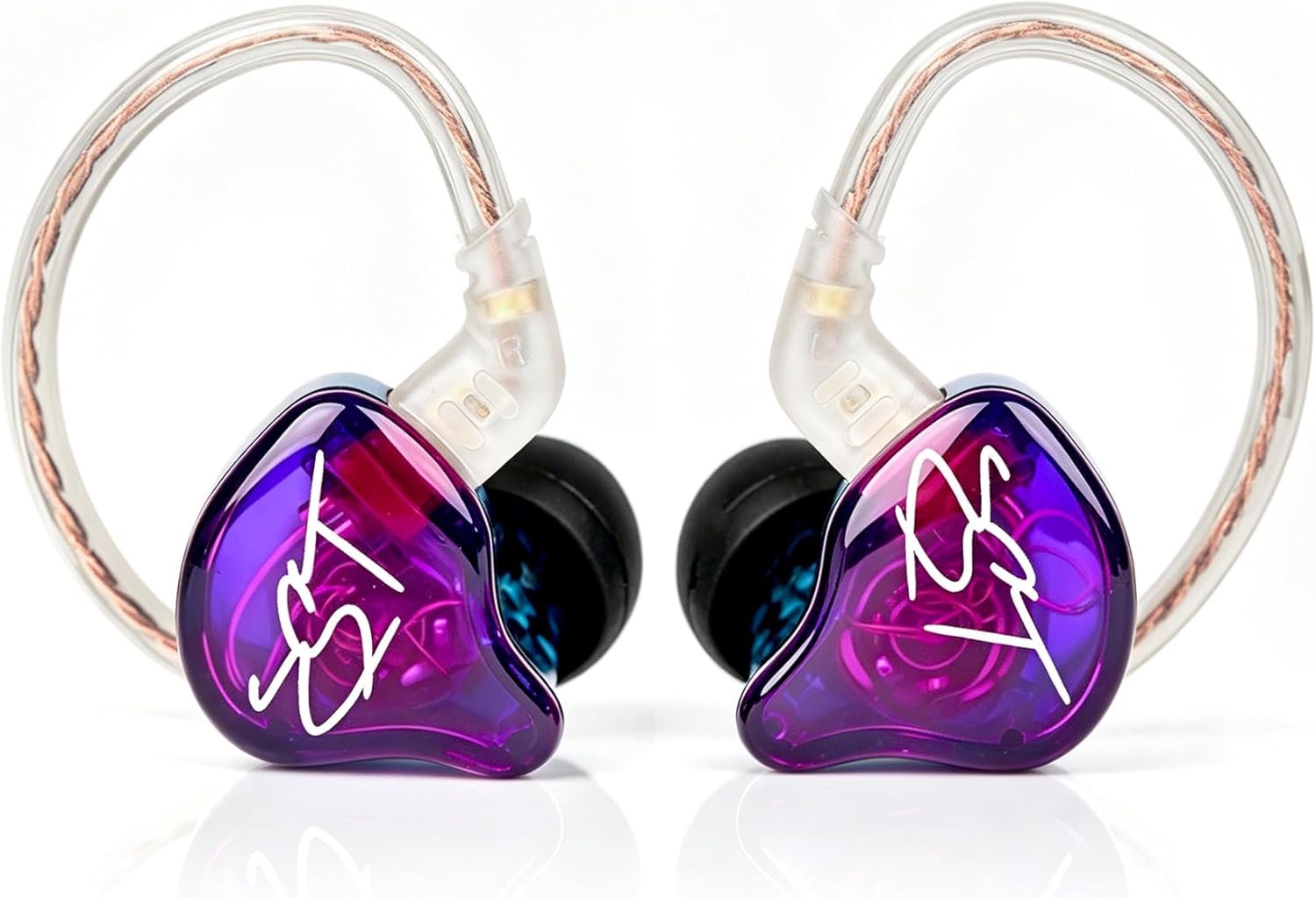
Best Around $25: KZ ZST — Research Pick
This is the "am I even going to like this hobby" tier.
For about $25, the ZST gets you in the door cheap enough that if IEMs turn out not to be your thing, you're out lunch money — not a real purchase. But it's also legit enough to actually teach you what people mean when they talk about fit, isolation, bass response, and soundstage. You can't learn that from a review. You have to hear it.
If you end up not caring, no harm done. If you end up caring a lot, well — welcome to the rabbit hole. It only gets deeper from here.
Best Around $50: KZ ZS10 Pro — Research Pick
The $50 range is where things start getting genuinely interesting instead of just "fine for the price."
The ZS10 Pro is the step up from disposable earbuds — noticeably more ambitious hardware, without asking you to commit real money. It's the bridge between "I'm just curious" and "okay I actually care about this now," and a great stopping point if $50 is your ceiling and you want to be done shopping.
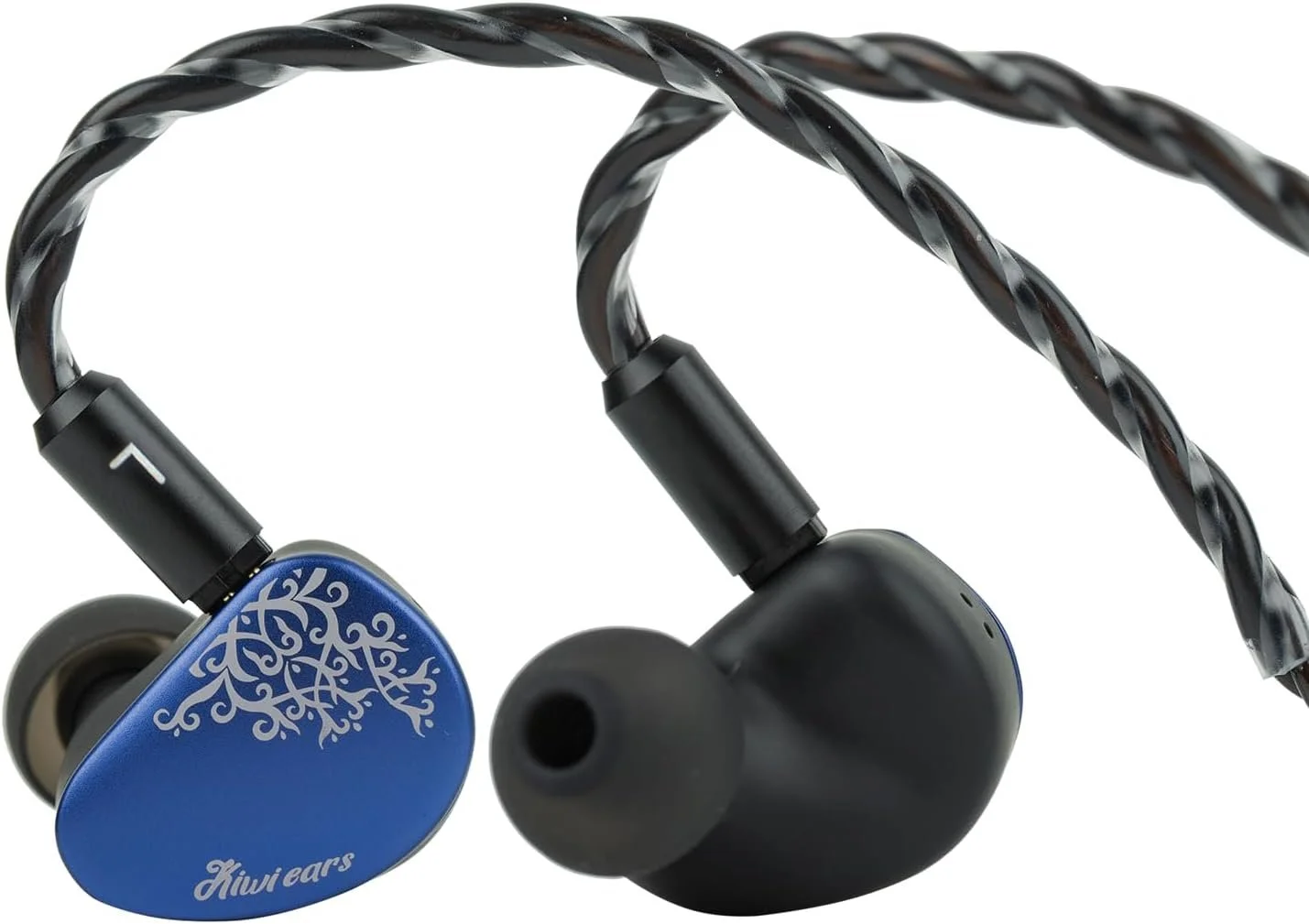
Best Alternative Around $50: Kiwi Ears Cadenza II — Tested by UTR
Disclosure: We may earn a commission from purchases made through links in this article. Review samples may be provided by manufacturers, but this does not influence our opinions.
And here's exactly the kind of decision that makes this hobby confusing: two IEMs, same price, different personalities.
The Cadenza II leans more balanced than the ZS10 Pro, with tighter bass definition and a treble that doesn't try to stab your eardrums. I've spent real time with this one and it's one of the easiest recommendations in the whole guide — not because it's flashy, but because it's tuned like someone actually cared.
This is also where "better" stops being an objective question. It becomes a "what do you like" question. Get comfortable with that — it only gets more true as prices go up.
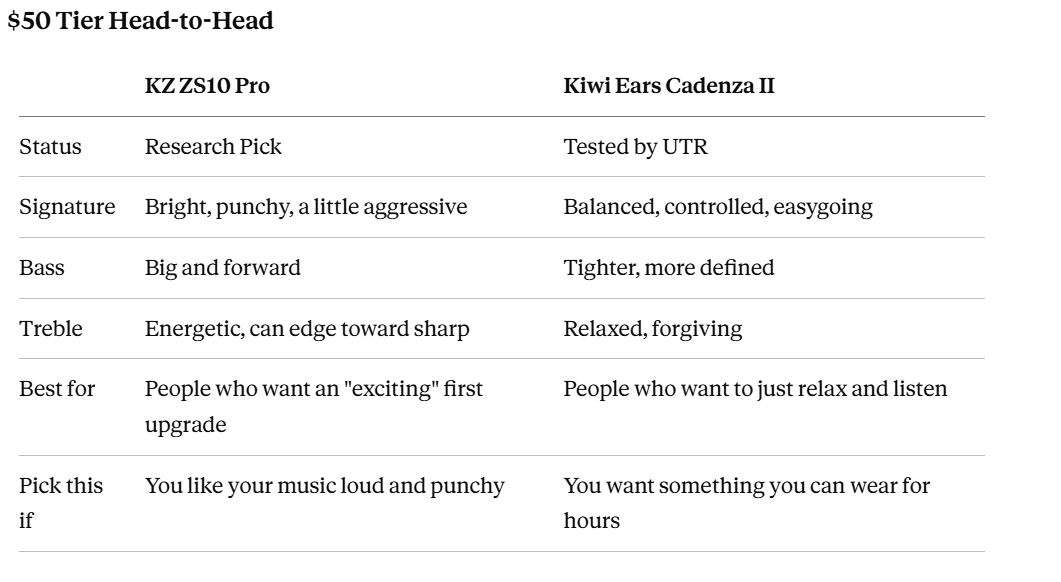
Neither one is "the winner" — they're built for different moods. If you like your bass loud and your treble sparkly, ZS10 Pro. If you want something you could listen to all day without fatigue, Cadenza II.
Best Around $100: Juzear x Z — Tested by UTR
If $50 is where IEMs get interesting, $100 is where I tell most people to just stop and shop.
This is the sweet spot where diminishing returns haven't kicked in yet, but the sound is legitimately excellent rather than "excellent for the money." The Juzear x Z is one of my personal favorites in this entire price range, full stop — not an asterisked recommendation.
For a lot of people, this is genuinely where the search should end. Spend whatever's left on music instead of on the next upgrade.
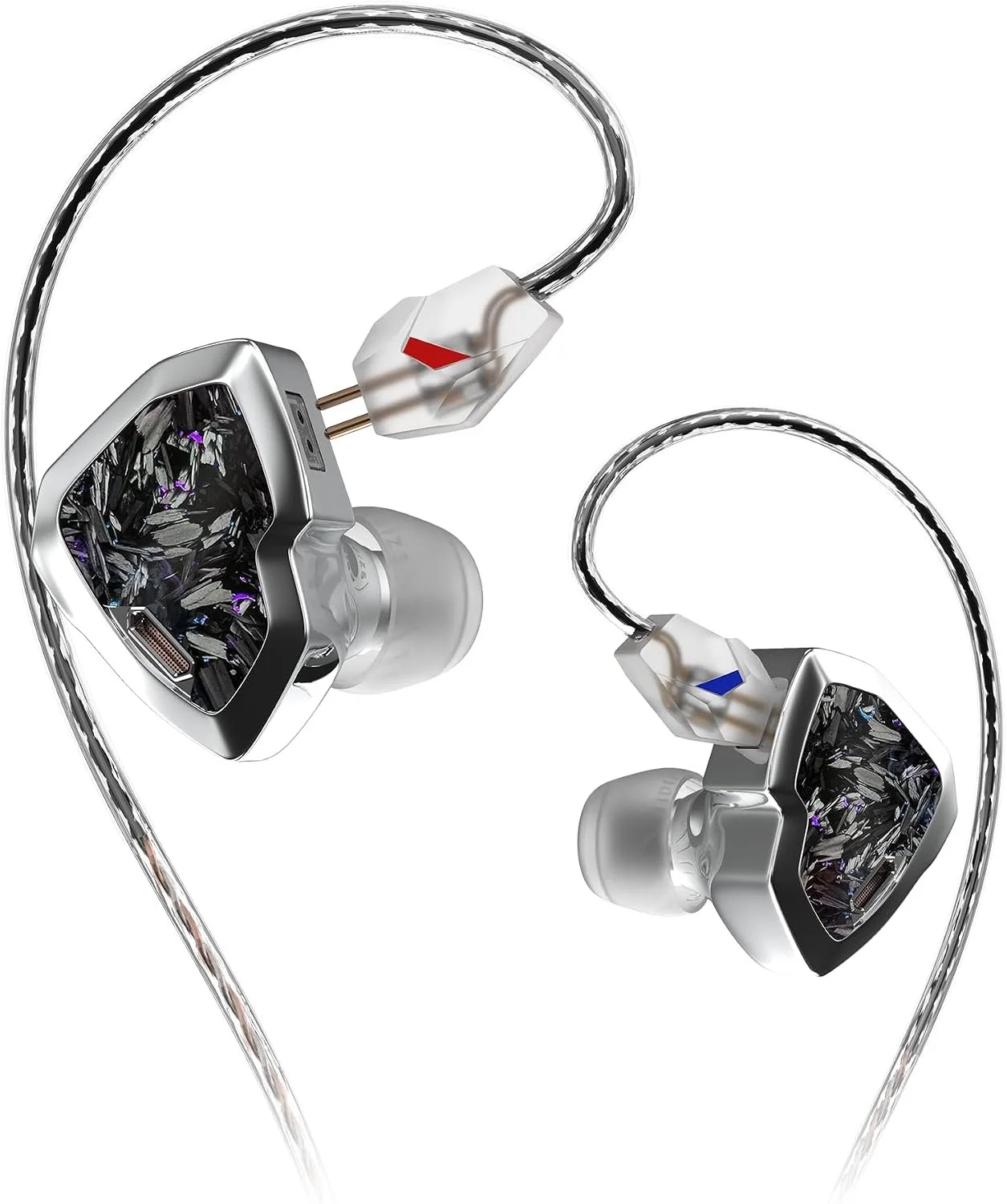
Best $100 Alternative: Hidizs MY LIN — Tested by UTR
The MY LIN is a hybrid — one dynamic driver, one balanced armature — and it comes with interchangeable tuning filters, which is the feature I wish more IEMs at this price had.
Here's why that matters: you often don't know what sound signature you actually prefer until you've lived with a few. Hidizs currently positions the MY LIN as the warmer, more relaxed sibling to their more analytical MS2 Pro, and having that flexibility built into one purchase is genuinely useful for someone still figuring out their taste. I've used both filter options and they're different enough to matter, not just marketing.
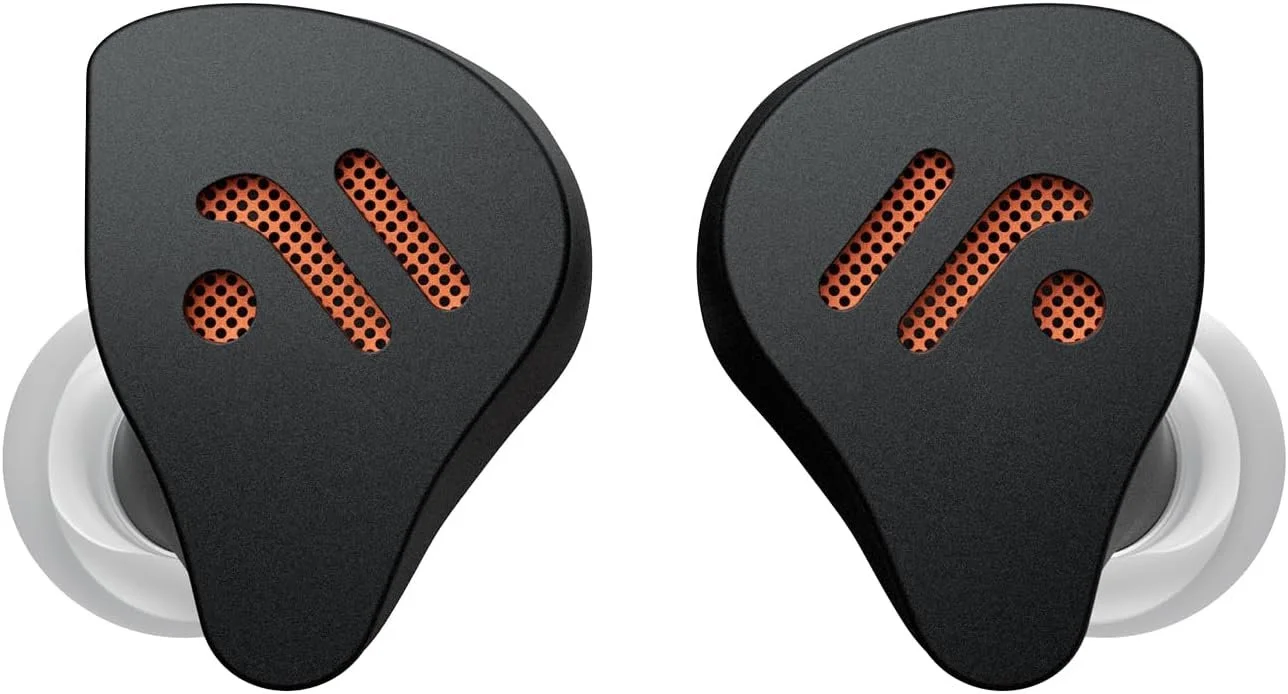
Best Open-Back Around $100: Fosi Audio IM4 — Tested by UTR
The weird one on this list, in a good way.
Instead of sealing your ears off from the world, the IM4 uses an open-back design that trades isolation for a bigger, airier soundstage. It runs a 10mm beryllium dynamic driver in a dual-magnet, dual-chamber setup, and it currently sits right around $100.
If you're coming from open-back headphones and hate that "music injected directly into your skull" feeling some sealed IEMs give you, this is the answer. You give up isolation — don't wear these on a loud train and expect to hear anything else — but if openness and soundstage matter more to you than blocking out the world, it's a genuinely worthwhile trade.
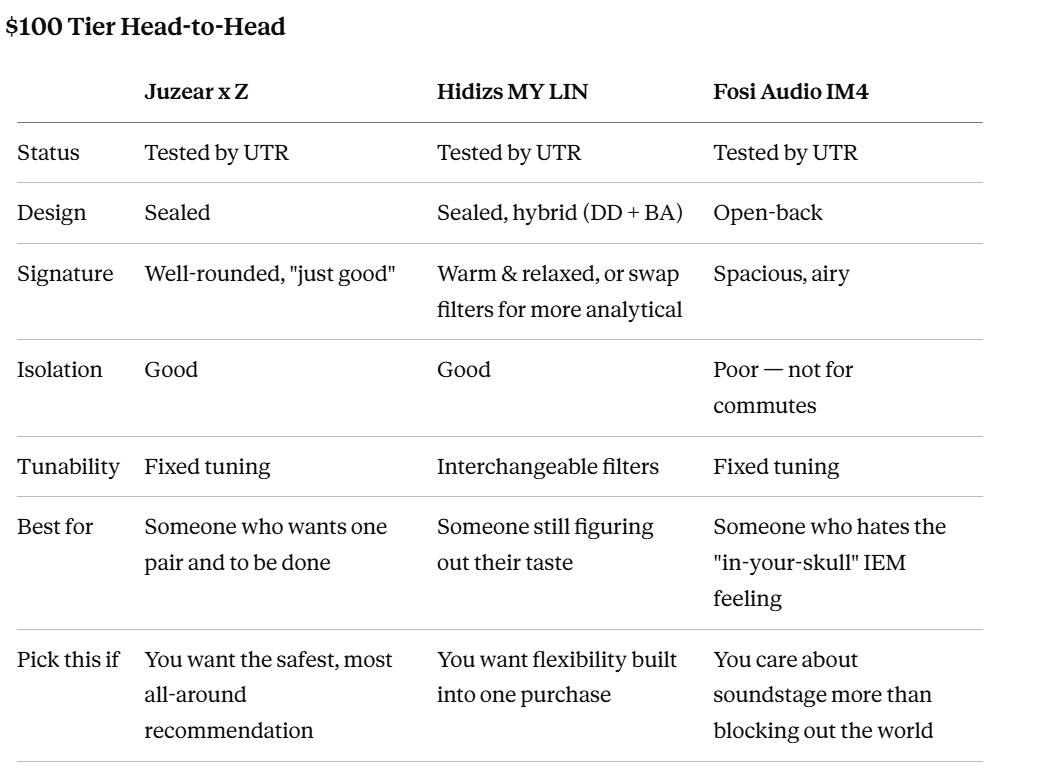
If you only buy one $100 pair, make it the Juzear x Z — it's the least likely to disappoint you no matter what you end up preferring. The MY LIN is for the indecisive. The IM4 is for the person who already knows they hate feeling sealed off.
The $100 Sweet Spot
If someone stopped me and asked "I don't know anything about this hobby, how much should I spend?" — I'd say $100, no hesitation.
$25 gets you something surprisingly good. $50 gets you something I'd happily listen to. But $100 is where the phrase "impressive for the price" stops applying, because they're just good, full stop, price aside.
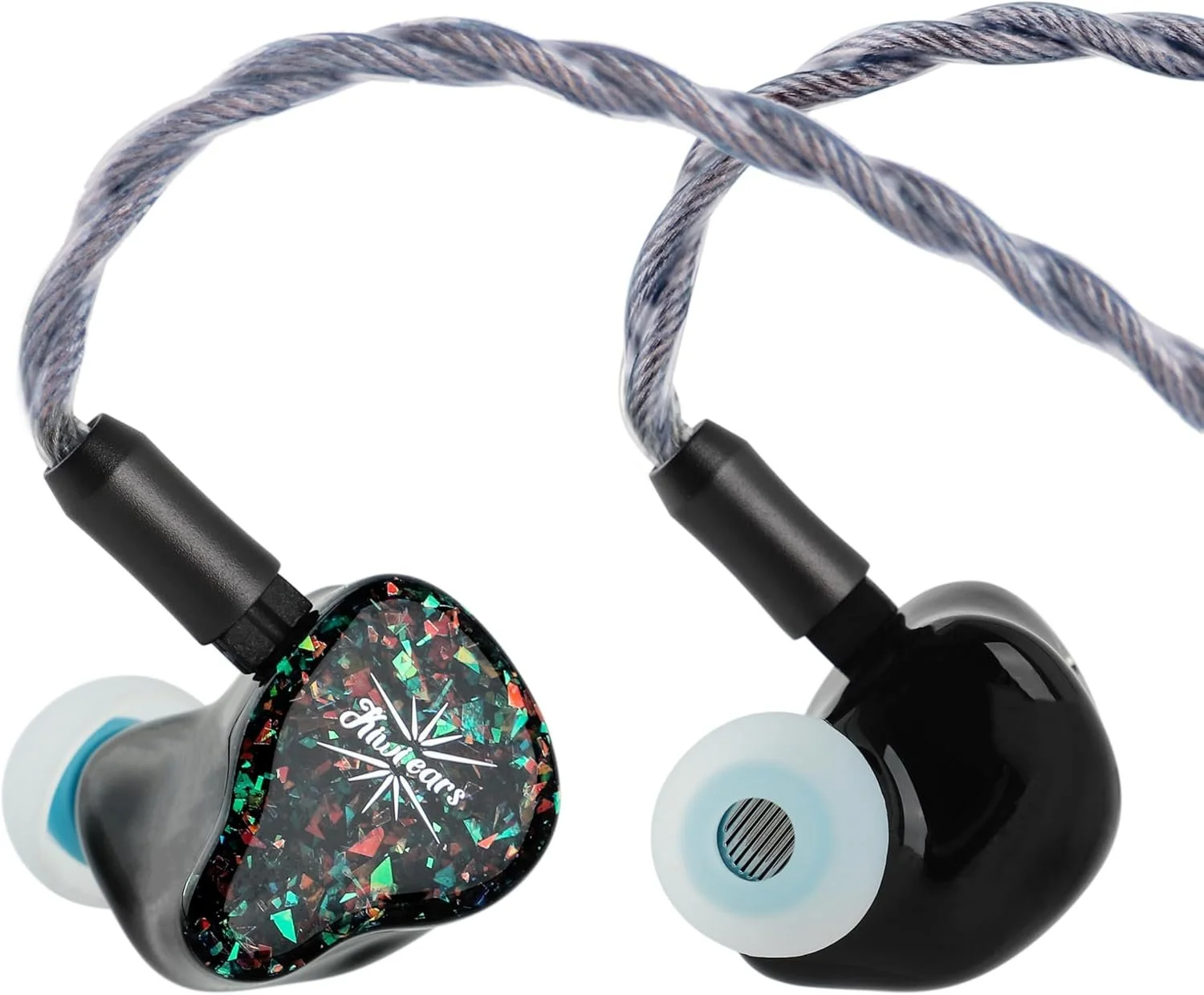
Best Around $300: Kiwi Ears Astral — Tested by UTR
Disclosure: We may earn a commission from purchases made through links in this article. Review samples may be provided by manufacturers, but this does not influence our opinions.
Now it gets serious.
Nobody should spend $300 assuming it sounds "three times better" than the $100 tier — it won't, and anyone telling you otherwise is selling something. What $300 actually buys is refinement: tighter technical performance, more sophisticated driver setups, nicer build quality, and the kind of small, expensive improvements that only start mattering once you already know what you like.
The Astral is where I'd point someone who's already spent real time with cheaper IEMs and knows exactly what they're chasing. It's not a beginner pick. It's an upgrade pick — and having lived with it, the jump in resolution and technicality over the $100 tier is real, not marketing copy.
Best Around $300 (Technically $310): Binary EP321 — Research Pick
Full disclosure: this one's $310, not $300. I'm letting the ten bucks slide because what's inside is worth talking about.
The EP321 packs a genuinely wild six-driver setup — a dynamic driver, a passive radiator, three balanced armatures, and a MEMS driver. That last one is the interesting part: MEMS driver tech has been showing up in IEMs costing four figures, and here it is trickling down to $300. This is the modern IEM market in a nutshell — simultaneously ridiculous and kind of amazing, where flagship tech keeps sliding down the price ladder faster than anyone expects.
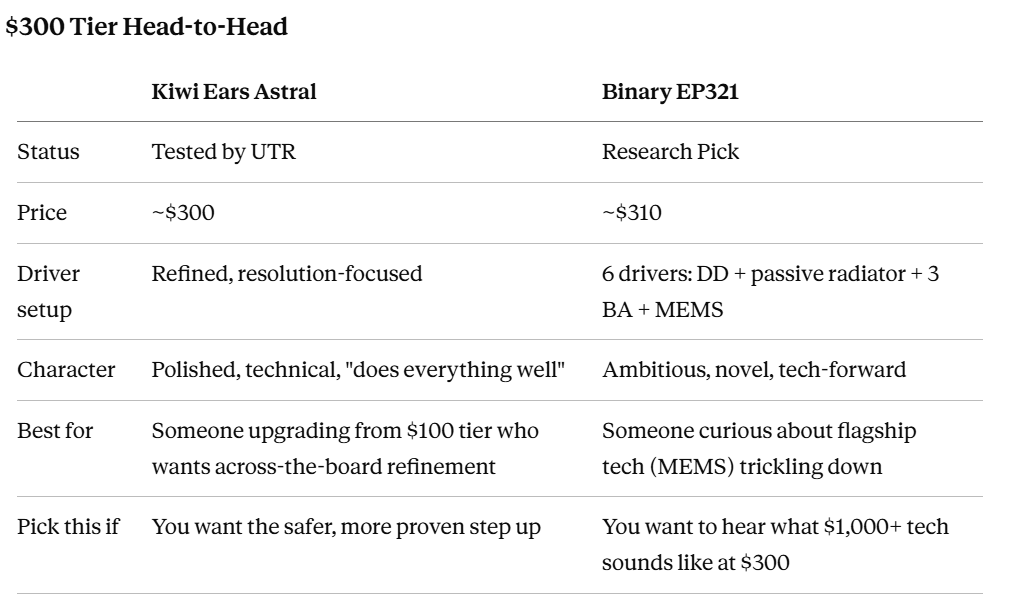
Both are legitimate $300 picks, but they're chasing different things — the Astral is about doing the fundamentals better, the EP321 is about cramming in tech you'd normally only see at much higher prices. Neither is "wrong."
What If $300 Isn't Enough?
It won't be, eventually. That's just how this hobby works. Here's where the road keeps going:
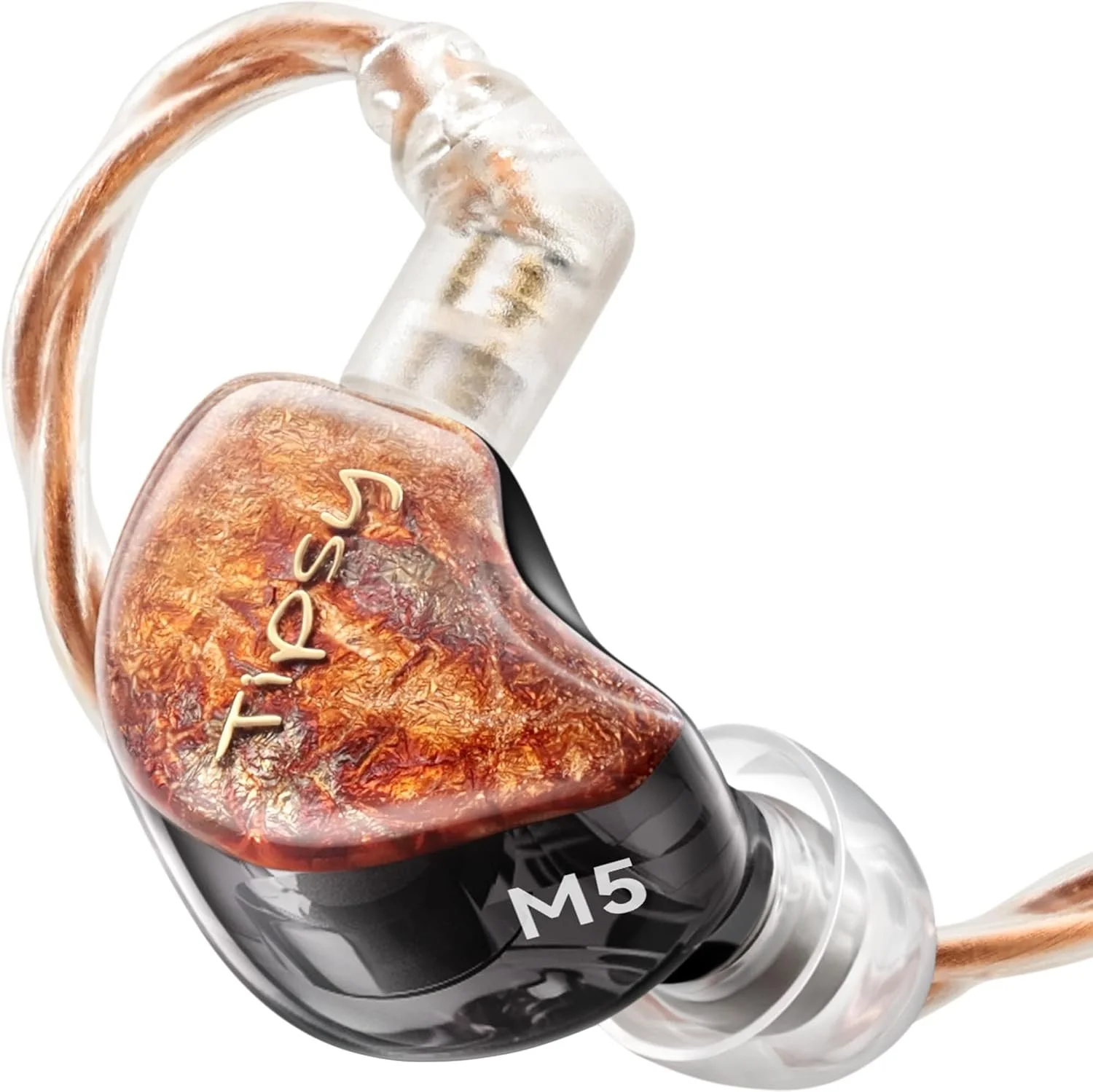
~$400: Tipsy M5 Ultra — Research Pick. The next logical step once $300 stops feeling exciting.
~$400: Moondrop Blessing — Research Pick. You will not get five minutes into higher-end IEM research without tripping over this name. It's basically a rite of passage at this point.
~$700: Essonio ES-C14 — Research Pick, and my dream pair. Do you need this? No. Do I want it anyway? Also yes. That tension is the entire hobby in one sentence.
The Part No Spec Sheet Can Fix: Fit
Your ears aren't my ears, and no buying guide — including this one — can fully account for that.
An IEM that sounds incredible but hurts after twenty minutes is a bad IEM, full stop, no matter what the frequency response graph says. Swap ear tips before you write off a model you don't like — tip size and material change comfort, seal, and even perceived bass, and a bad seal can wreck low-end response entirely and make a great IEM sound thin and lifeless.
I'd take a $100 pair I can comfortably wear for three hours over a $700 pair I want ripped out of my ears after thirty minutes. Every time.
Our Take
The IEM market is confusing because there genuinely isn't one "best" pair — and honestly, that's what makes the hobby fun once you stop fighting it.
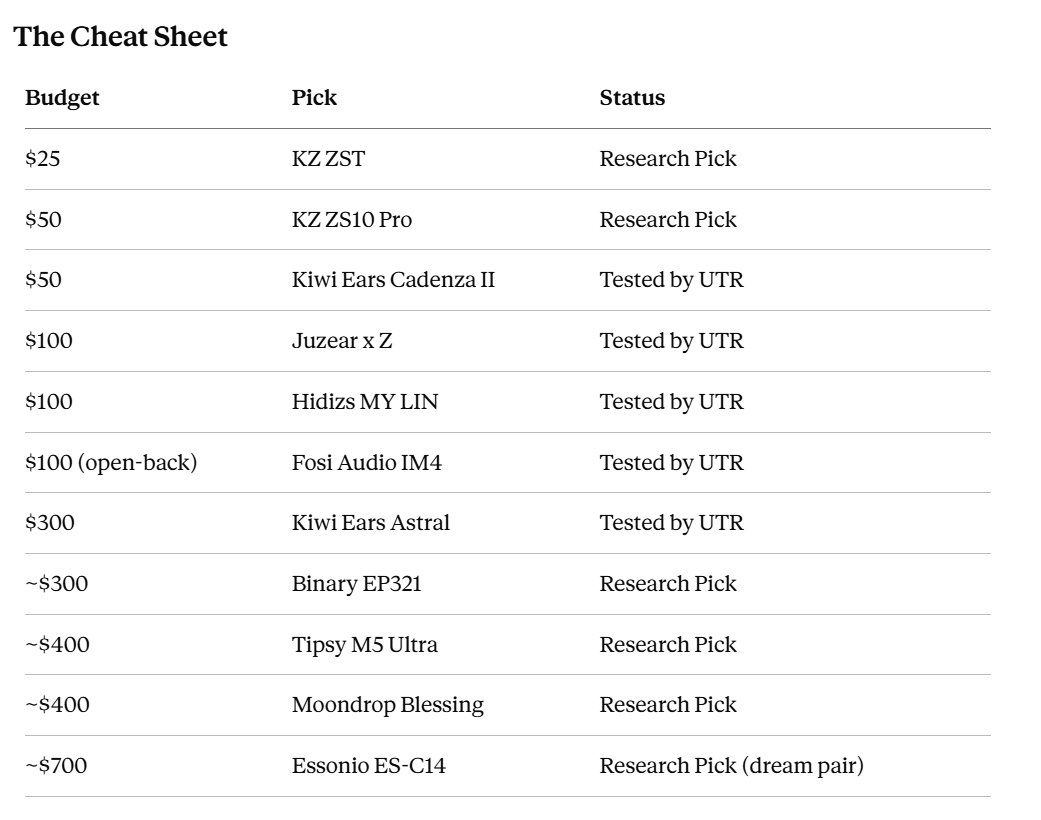
You can get in for $25. Things get surprisingly good around $50. By $100 you're at a level where stopping entirely is a completely reasonable decision. And $300-plus is where you're no longer buying because you need better sound — you're buying because you already know what you like and want more of it.
Start cheaper than you think you need to, I love the $25-50 options. Try different sound signatures. Mess with tips before you judge anything. Figure out whether you're chasing bass, vocals, detail, soundstage, or isolation — because that answer matters more than any driver count ever will.
The goal was never to own the most expensive pair. It's to find the one that makes you stop shopping and start listening.