Kiwi Ears Halcyon Review: One of the Best IEMs Under $300
Disclosure: We may earn a commission when you purchase through links on our site. This does not influence our reviews or recommendations.
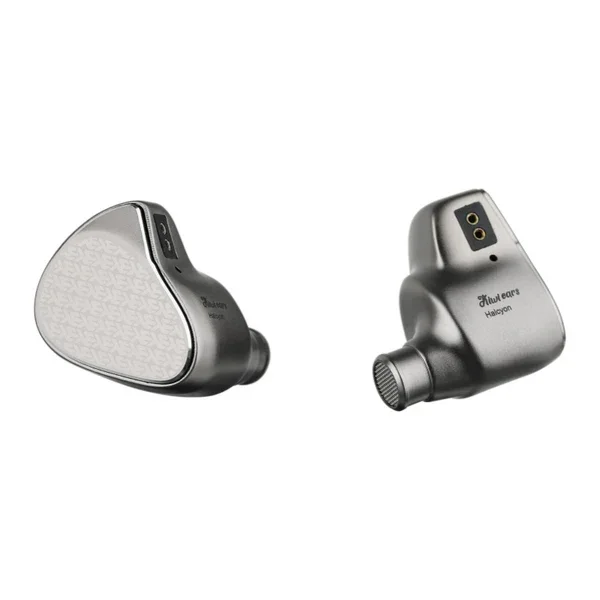
Every IEM launch these days comes wrapped in the same marketing language — "revolutionary tuning," "audiophile-grade," "engineered for perfection." I've stopped reading press releases for exactly this reason. So when Kiwi Ears sent over the Halcyon — a five-driver tribrid with a dynamic driver, three balanced armatures, and a MEMS driver crammed into one shell — I went in expecting to write another "good, not great" review and move on.
That's not what happened. I've had these in my ears almost every day for the past several weeks — commuting, working, running through my usual rotation of rock, electronic, podcasts, and orchestral stuff I use to torture-test anything new — and the Halcyon earned its spot. Not because it does everything, but because it does the things it does very, very well and doesn't try to bluff its way through the rest. Buy it on Amazon!
Build
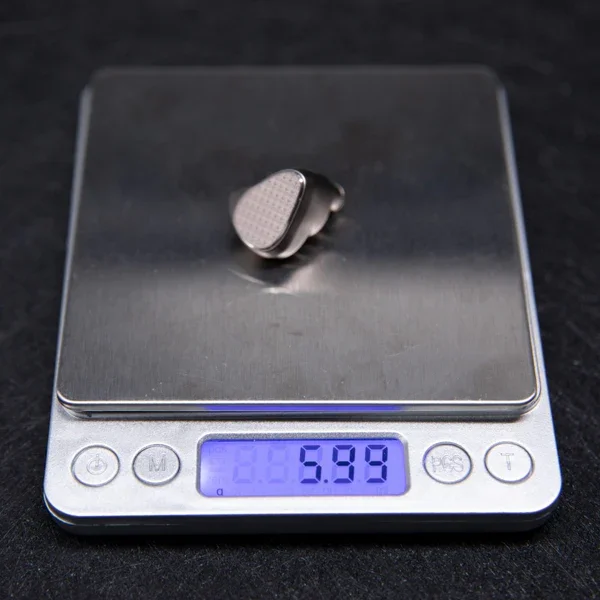
I'll say it plainly: this is a premium set. The CNC aluminum shells feel like something that costs more than $259, not less. They're compact and light enough that I genuinely forget I'm wearing them on four-hour sessions, which is more than I can say for half the "comfort-focused" IEMs that land on my desk. Isolation is strong too, but only once you actually bother finding tips that seal properly — more on that in a second, because Kiwi Ears drops the ball here.
The modular cable is the real sleeper feature. You get single-ended 3.5mm and balanced 4.4mm without having to buy a second cable or hunt down an adapter that inevitably degrades the signal. At this price point, brands love to save two dollars on a cable and call it a "value decision." Kiwi Ears didn't do that, and it's the kind of detail that tells you someone at the company actually uses these things.
Sound
Let's kill the suspense: this is not a bass-head IEM, and if that's what you're shopping for, stop reading now and save yourself the disappointment. The sub-bass digs deep and stays controlled — it never bleeds into the mids, never turns muddy — but the mid-bass punch is deliberately restrained. Kick drums are precise and well-defined rather than something you feel in your chest. If you want slam, this isn't your set. I'm fine with that trade-off; you might not be.
The mids are clean, neutral, and honest — no artificial warmth pumped in to flatter vocals. That said, vocals sit a touch behind the instrumentation rather than being pushed up front and center. It's a spacious presentation rather than an intimate one, and it took me a few listening sessions to stop missing that forward vocal presence before I actually started appreciating what Kiwi Ears was going for.
The treble is where this thing separates itself from basically everything else I've tested under $300. That MEMS driver is doing real work — highs are fast, extended, and loaded with the kind of microdetail that usually only shows up once you start spending real money. And critically: it never turns harsh or fatiguing, even on brighter recordings that usually make me wince. Getting treble this resolving without it becoming sibilant is rare at any price. Getting it here, at this price, is the whole reason this review exists.
Technical Performance
This is where the five-driver setup actually justifies itself instead of just being a spec-sheet flex. Separation and imaging are excellent — I threw prog metal, layered electronic production, and full orchestral pieces at it, and dense mixes stayed organized instead of collapsing into a wall of noise. Nothing congested, nothing smeared together. The soundstage is wide and precise, and it's noticeably ahead of most of the competition in this price bracket. If you're the type who actually cares about pinpointing where each instrument sits in a mix, this is the section that should sell you.
Comfort
Five drivers packed into a shell this small is genuinely impressive engineering, and it shows in how it wears. The aluminum shells sit securely without any pressure points, even on long sessions — no hot spots, no need to keep readjusting.
My one real gripe: the stock tips are mediocre. They're the single weak link in an otherwise well-thought-out package, and they undersell both the comfort and the bass response. Swap them for a set of foam or wide-bore silicone tips and you'll immediately hear and feel the difference. Do this. Don't skip it and then complain the bass is thin — that's on the tips, not the drivers.
Who Should Skip It
If you're chasing bass slam or want vocals shoved front and center, this isn't your set — go look elsewhere and save yourself the buyer's remorse. Everyone else: buy with confidence, swap the tips on day one, and thank me later.
Bottom Line
Kiwi Ears could've chased the same hype-cycle playbook every other brand is running right now. Instead they built something with real technical maturity, and it shows the second you put it on. At $259, the Halcyon isn't just good "for the price" — it's one of the smartest buys in the category, full stop.