Tower Speakers vs. Soundbars: Why Bigger Still Sounds Better
Disclosure: We may earn a commission when you purchase through links on our site. This does not influence our reviews or recommendations.
Walk into almost any electronics store today and you'll notice something interesting. Rows of soundbars. Rows of powered bookshelf speakers. Bluetooth speakers. Wireless speakers. Smart speakers with a voice assistant baked in. Tower speakers? Maybe one or two pairs, shoved into a corner like an apology. Twenty years ago, towers were the dream — the thing you saved up for. Today they're a niche product, and that's a shame. Not because bookshelf speakers or soundbars are bad. They're not. It's because we've quietly optimized our living rooms for convenience instead of sound, and towers are the casualty. 10 years of speakers, how did they change? Read more here!
Tower Speakers Still Do Something Nothing Else Can
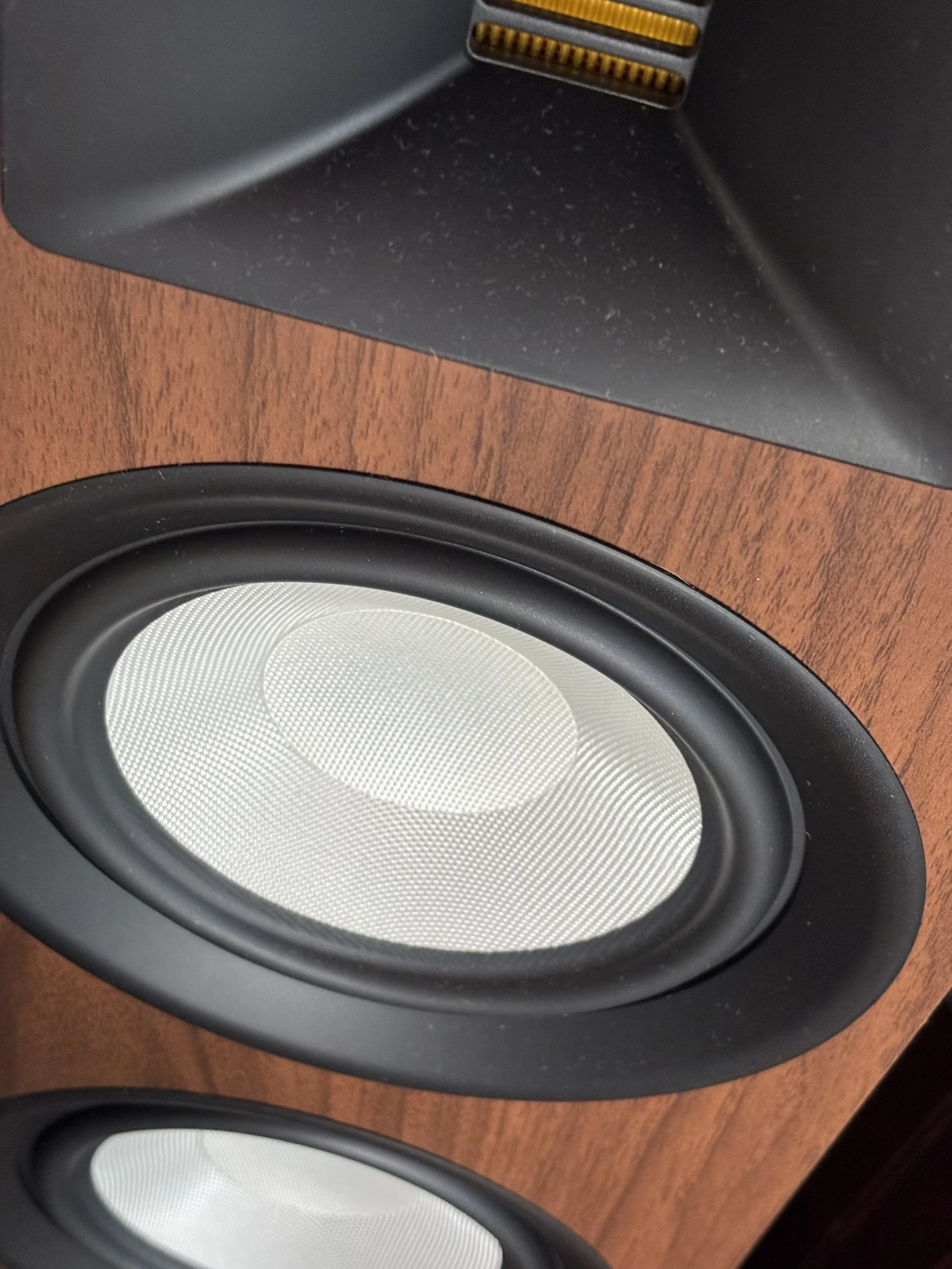
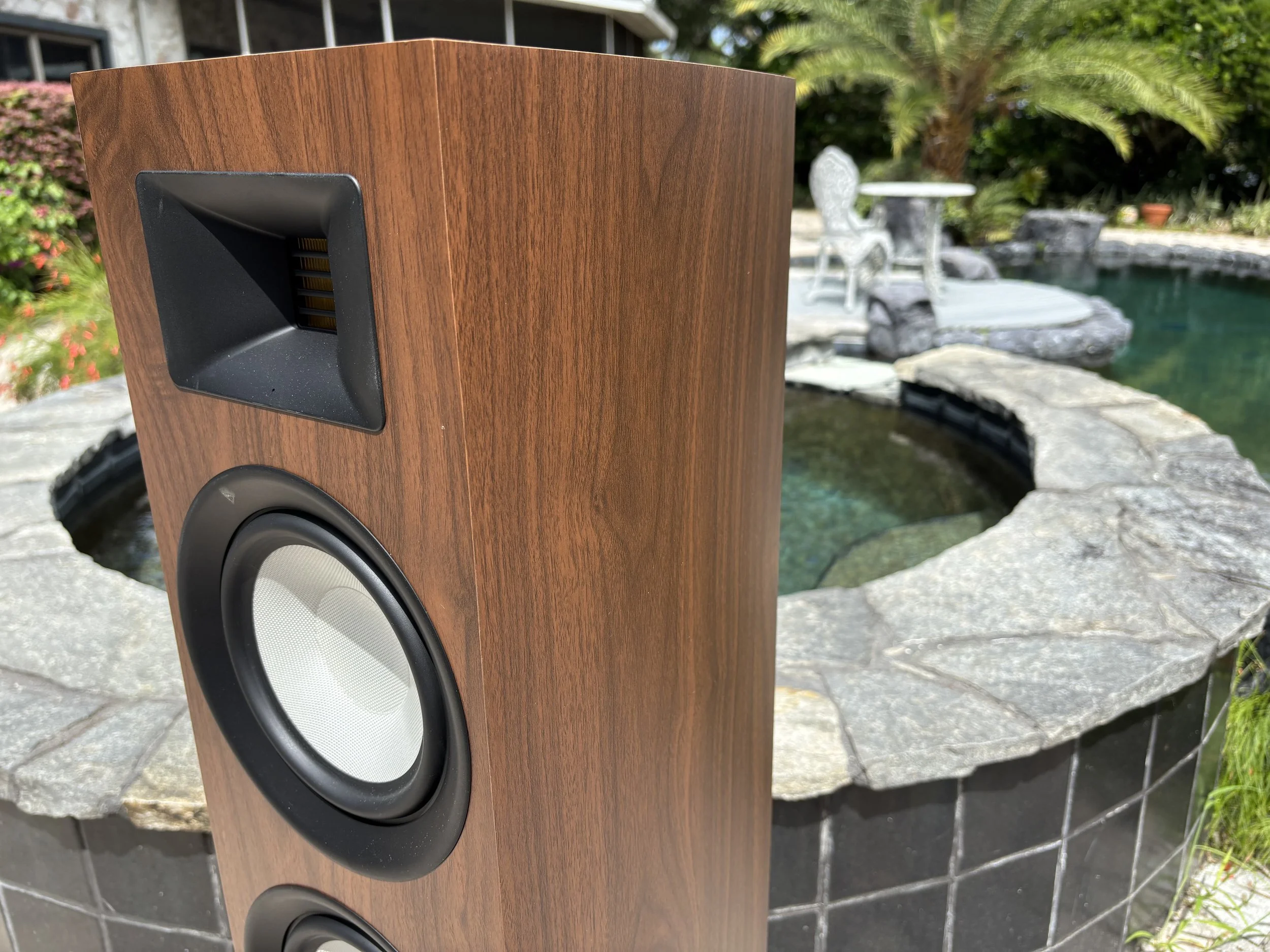
Physics doesn't care about trends. A taller cabinet gives engineers more room to work with: bigger woofers, dedicated midrange drivers, more internal air volume, better spacing between drivers. You're not asking one 5-inch driver to somehow reproduce everything from a male vocal to a kick drum and hoping for the best. Each driver does the one job it was built for. The result is sound that doesn't feel like it's straining. It just arrives.
Tower speaker deals on Amazon!
The Midrange Is Why I Love Towers
Everyone wants to talk about bass. I don't. Bass is the easy sell — it's the number on the spec sheet, the thing you feel in your chest at Best Buy. But it's not the biggest difference between a good tower and a good bookshelf speaker. The midrange is. That's where voices live. That's where guitars and pianos live. That's where a mix actually breathes. Bookshelf speakers can sound fantastic, but they're often asking a single mid-woofer to handle bass and most of the midrange at the same time — two jobs, one driver, constant compromise. A good three-way tower lets the midrange do its own thing. Vocals sound fuller. Dialogue sounds more natural. Music sounds more balanced — not louder, not brighter, just more correct. To me, that's worth more than another 10Hz of bass extension anyone's ever going to notice outside a spec sheet.
And About That Bass...
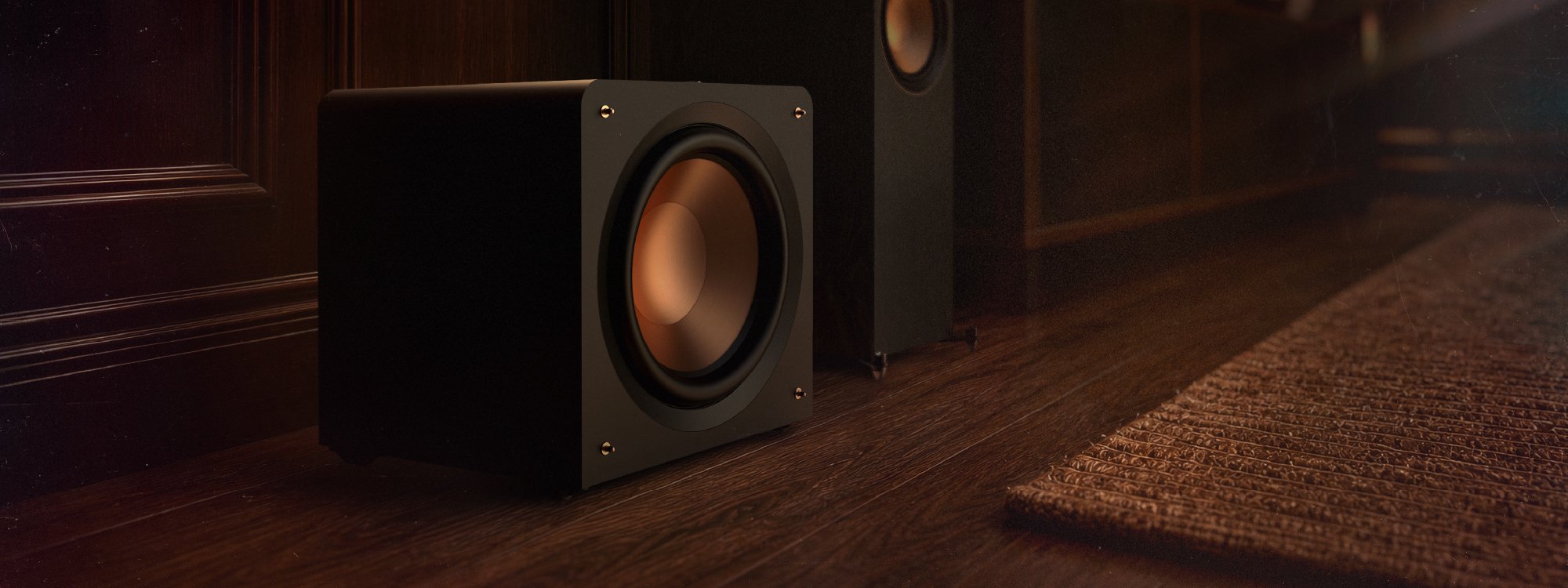
Here's the part people will argue with me on. Yes — you can absolutely get away without a subwoofer. Not always. Not in every room. Not if you're chasing 16Hz explosions in a war movie. But for music? Absolutely. A well-designed tower reaches low enough that most listeners will never feel like something's missing. I'd rather own one excellent pair of floorstanders than a pair of tiny bookshelf speakers plus another thousand dollars spent chasing a subwoofer integration that never quite disappears into the mix. One good pair of speakers. No crossover guesswork. No boomy corner. Just sound.
Tower speaker deals on Amazon!
Soundbars Aren't Even Playing the Same Game
Soundbars solve a completely different problem. They hide. They mount under the TV. They keep the room looking like a room instead of a listening station. They reduce cable clutter and keep spouses happy. That's all fine. But let's be honest about why they win: it's not because they sound better than a real speaker system. It's because people have decided they'd rather have the space back. Soundbars aren't outperforming towers — they're out-negotiating them for real estate in the living room. Those are two very different conversations, and the industry loves to blur them. Read about our best soundbar picks here!
Why Towers Are Disappearing
I don't think people stopped liking tower speakers. I think life changed around them. Homes got smaller. Apartments became the default, not the exception. Minimalism became a design religion. Streaming replaced the dedicated listening session — nobody sits down and just listens anymore, they half-listen while scrolling. Furniture got lower. TVs got thinner and got mounted on walls instead of sitting in entertainment centers built to hide big speakers beside them. We stopped building rooms around music. Manufacturers, being manufacturers, followed the money and built smaller boxes to match.
My Take
If you're building a stereo system today and you have the room, buy towers. Not because they're bigger. Not because bigger looks impressive in a photo. Buy them because they're easier — easier to get right, easier to place, easier to enjoy without a rack of extra gear. They produce a more complete sound. They offer better balance. Many of them don't even need a subwoofer for music. And unlike almost every other piece of tech you'll buy this year, the physics behind a good tower speaker hasn't fundamentally changed in decades. There's no firmware update, no app, no subscription. Just a well-engineered box doing what it's always done. Sometimes bigger really is better — not because it's louder, but because it's more effortless.
The Bottom Line
The audio industry has spent years convincing us that smaller is smarter. Sometimes it is. But every time I sit down in front of a good pair of tower speakers, I'm reminded that convenience and performance were never the same thing — the industry just needed us to stop noticing the difference. Tower speakers didn't become less popular because they stopped sounding incredible. They became less popular because our homes changed. That's not a verdict on the speakers. That's a verdict on us.