Fluance Ri91 Review: How It Compares to Klipsch, KEF, and Fluance's Own Lineup
Disclosure: We may earn a commission when you purchase through links on our site. This does not influence our reviews or recommendations.
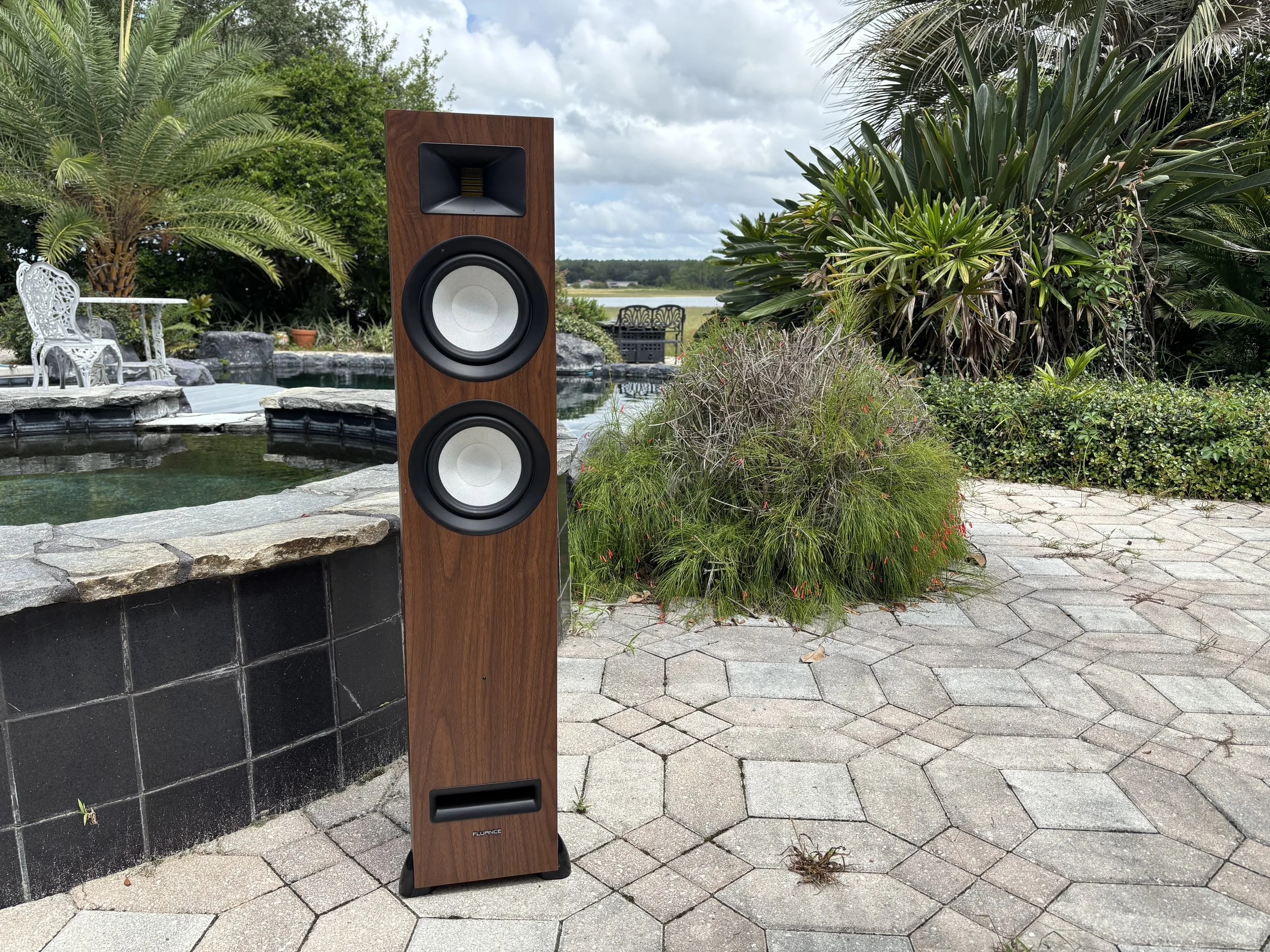
I never planned on putting a pair of floorstanding speakers on my desk. But for about 5 months, that's exactly where the Fluance Ri91 lived — flanking my monitor like a couple of undersized bookcases, tweeters angled in, way closer to my ears than any manufacturer would recommend. It shouldn't have worked. Nearfield listening with a 41-inch tower is not what anyone at Fluance had in mind when they designed this thing.
It worked anyway. The AMT tweeters threw a stereo image so precise that vocals locked dead-center and just hung there, and at that distance the speakers basically vanished — no visible source, just sound. I moved them back to the living room eventually, because that's obviously where they belong, but I bring it up first because it tells you something the spec sheet doesn't: these speakers are more capable than their price and their category usually allow for.
A Category That Barely Exists
Here's the thing about powered speakers in 2026: almost none of them are floorstanding. Walk through the current field — Klipsch's The Fives and The Nines, KEF's LSX II and LSX II LT, Elac's Debut ConnX line, Edifier's whole catalog — and it's bookshelf after bookshelf after bookshelf. Companies build small, self-amplified boxes because that's what fits on a desk or a credenza, and then they let you bolt on stands if you want height.
Fluance is one of the only brands actually shipping a true powered tower, and it makes two of them: the Ai81 and the Ri91. That's a genuinely small list. If you want floorstanding scale — a bigger cabinet, a bigger woofer, real down-firing bass — without adding a separate amp or receiver, your options are basically "buy Fluance" or "buy passive speakers and build a system." That context matters more than any individual spec, because it's the reason the Ri91 exists in the first place.
What You're Actually Getting
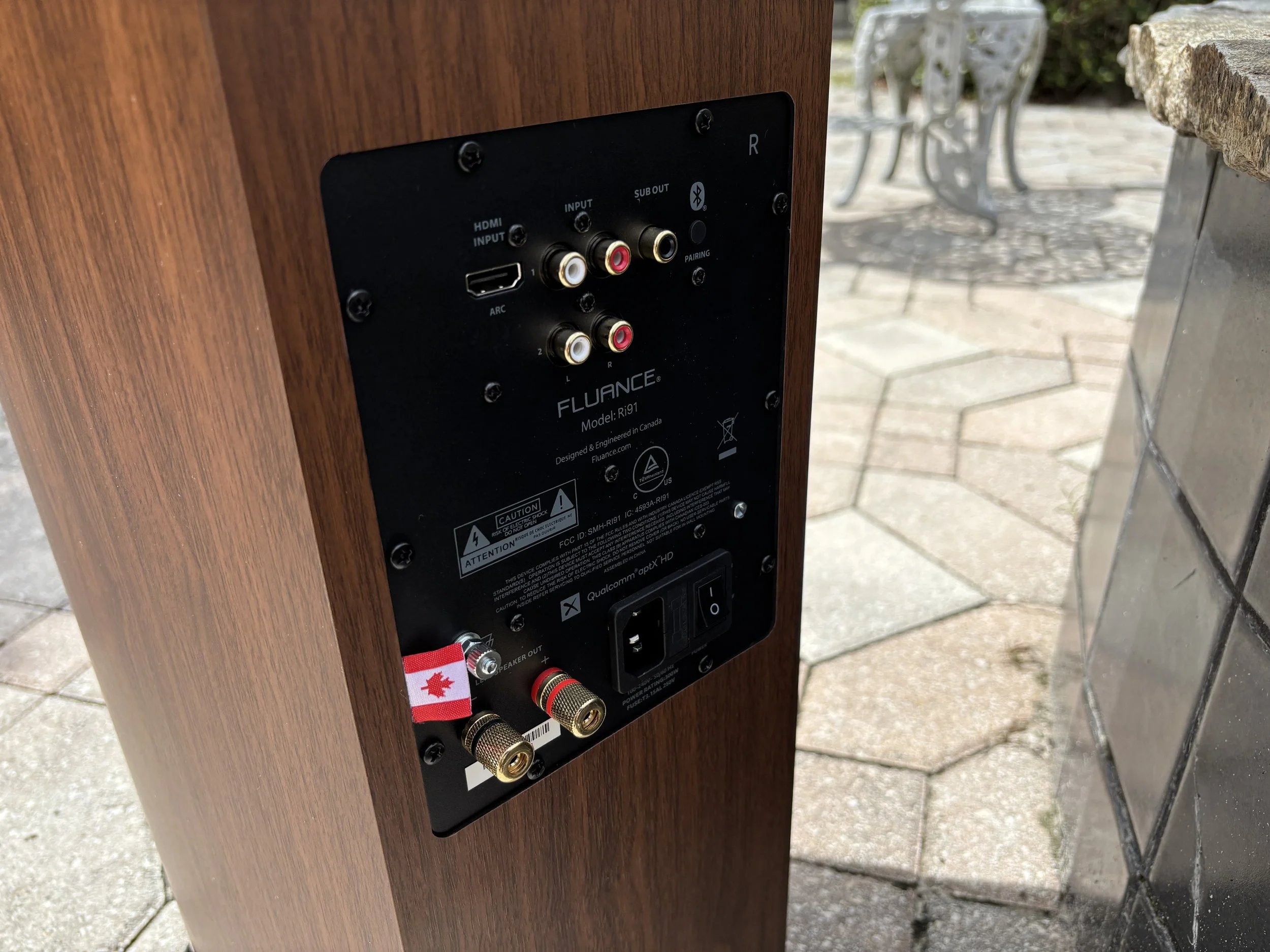
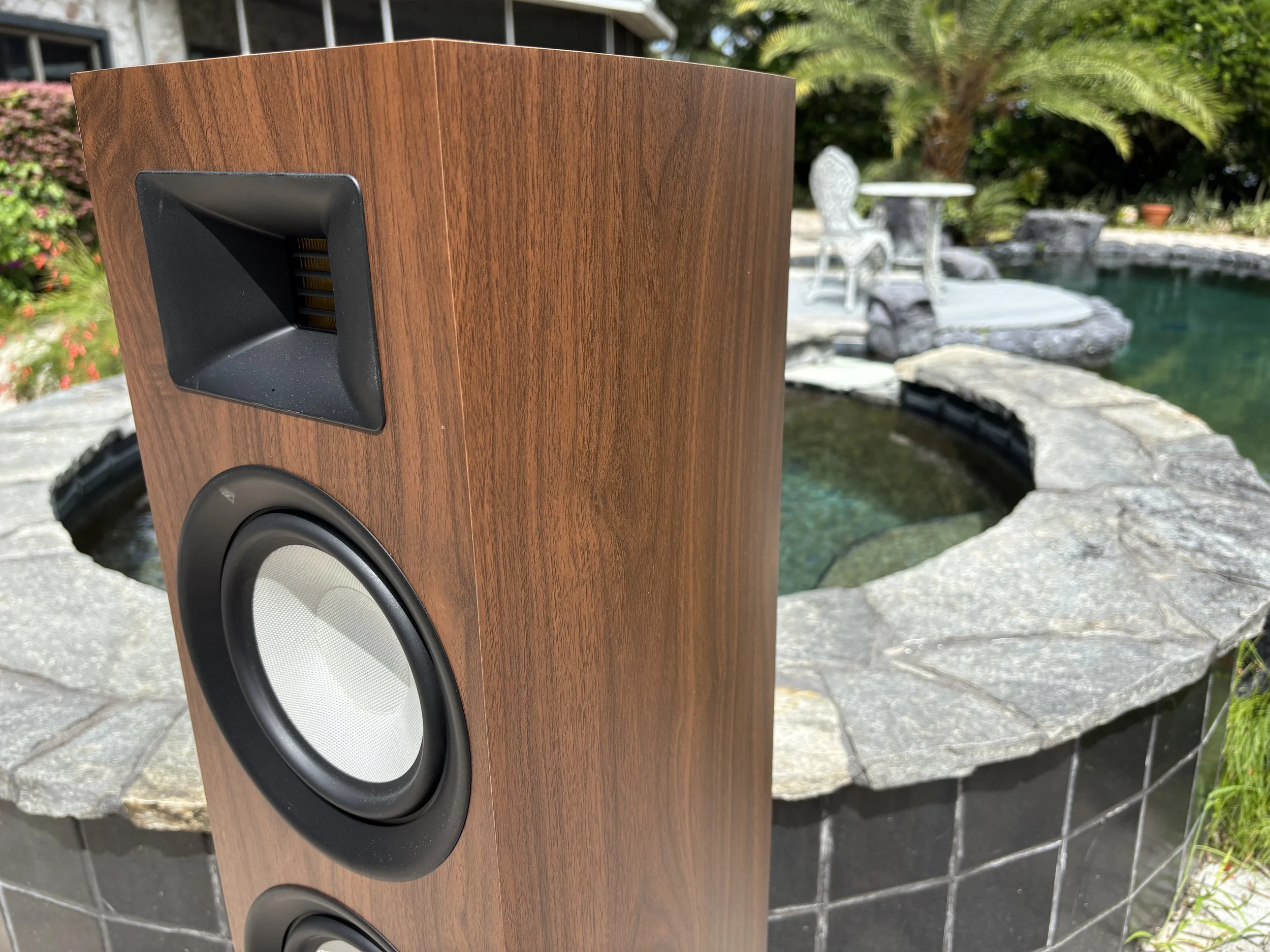
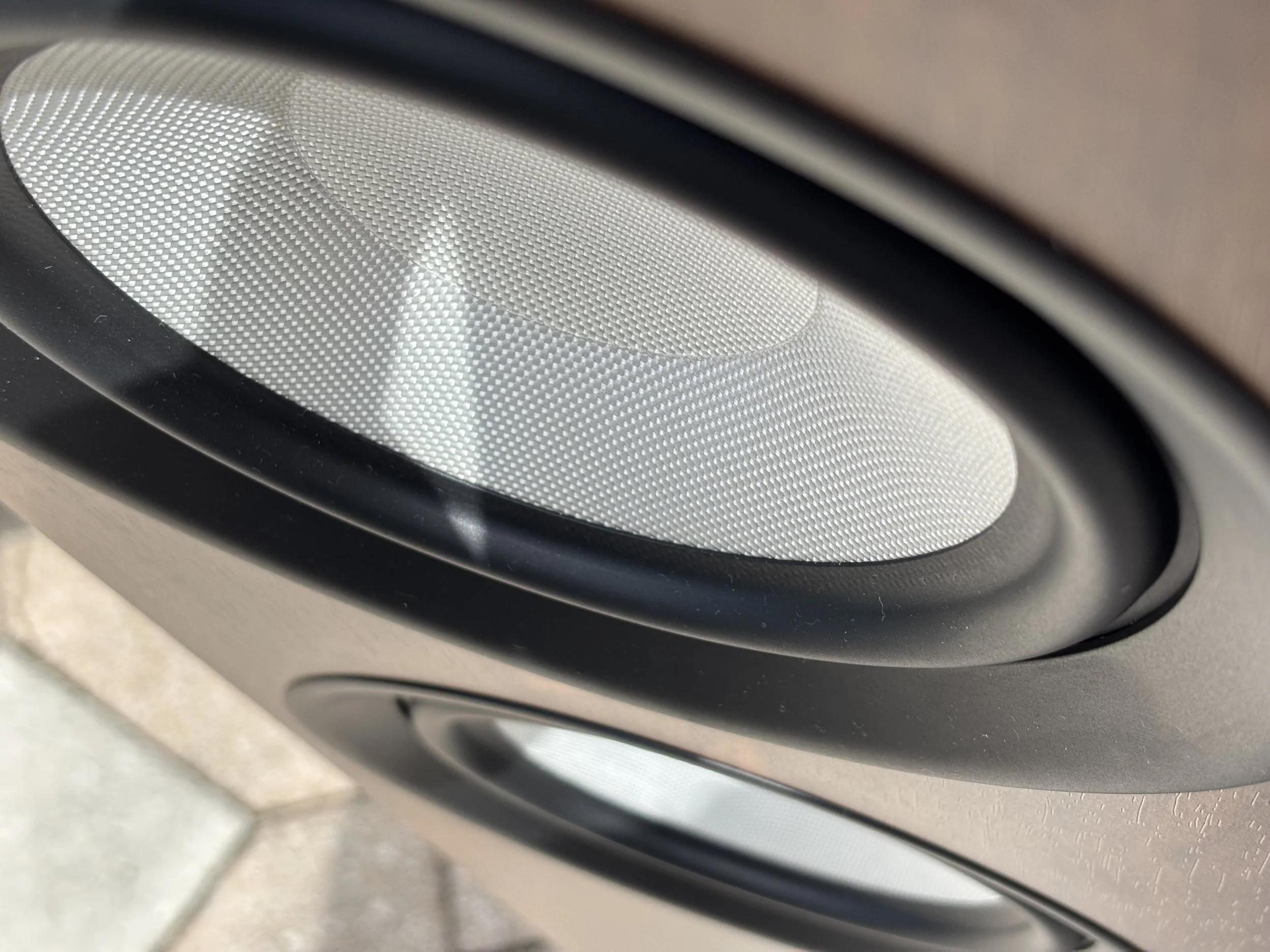
The Ri91 runs a 150-watt Class D amp per pair, split across a 1-inch Air Motion Transformer tweeter and dual 6.5-inch woven glass-fiber woofers, wrapped in an internally braced MDF cabinet with a front-firing port. Connectivity is generous for the $799.99 asking price: HDMI ARC, a pair of RCA inputs, a subwoofer output, and Bluetooth with aptX HD support. One speaker houses all the amplification and DSP; the other is a passive slave wired in.
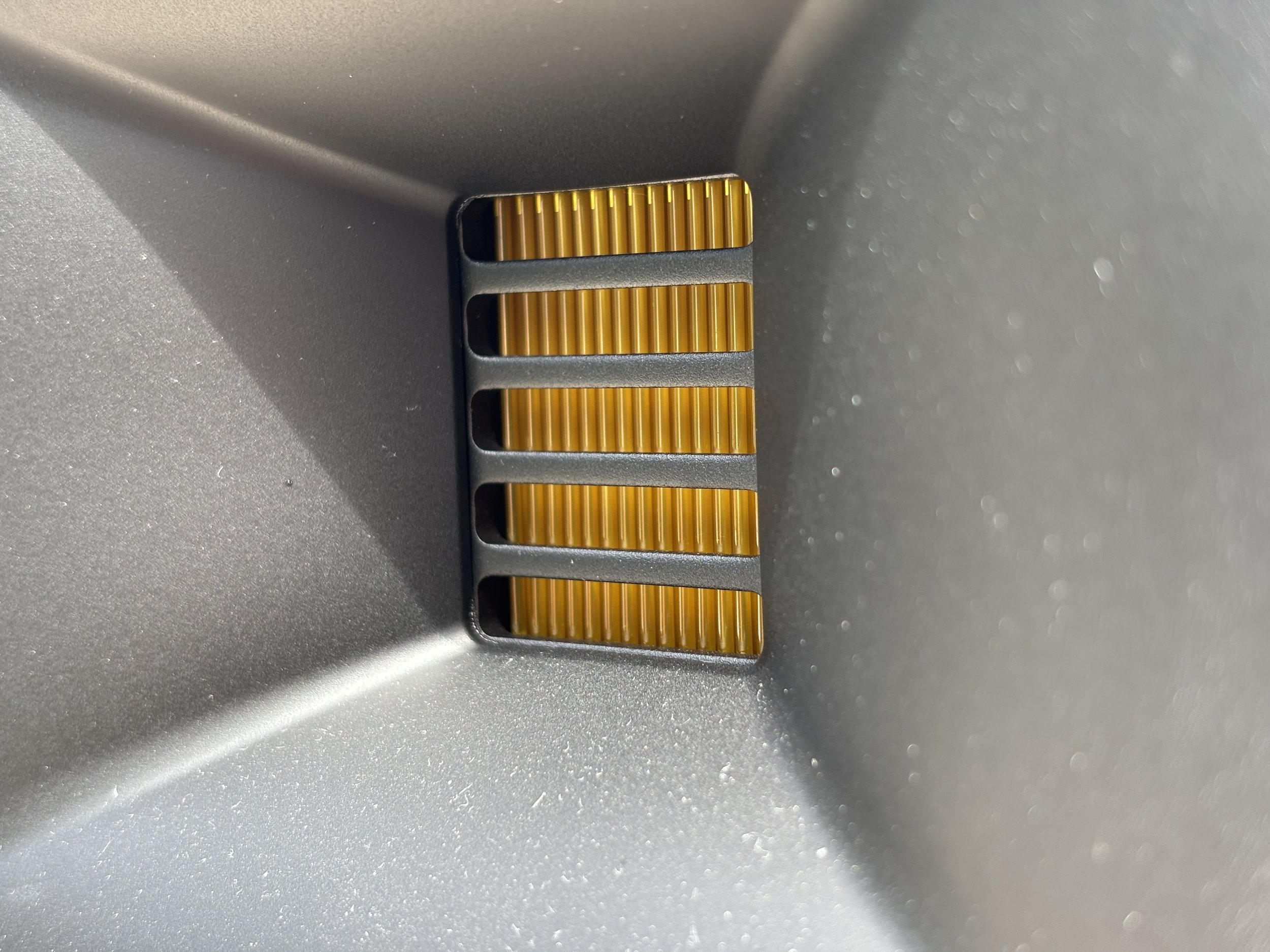
The AMT tweeter is the reason to care about this speaker specifically. It's the same folding-diaphragm design used in ribbon-adjacent tweeters that cost far more, and it behaves the way good ribbons do — extended treble that never turns harsh, air around vocals, cymbals that decay naturally instead of just stopping. I've heard plenty of dome tweeters at this price point that start to grate past a certain volume. This one doesn't. It just keeps unspooling detail.
The low end is the more interesting story, though, because it's a deliberate trade-off, and it's one worth understanding before you buy.
Ri91 vs. Ai81 vs. Ri71: Fluance's Own Family Fight
Fluance sells three powered speakers that could plausibly be on your shortlist, and the differences between them are bigger than the price gaps suggest.
Ai81 — Fluance's other floorstanding tower, and the Ri91's closest relative. Same 150-watt amp, same dual 6.5-inch driver layout, same general cabinet size. But the Ai81 uses a silk dome tweeter instead of an AMT, drops HDMI ARC in favor of optical, and — this is the part people miss — actually digs deeper into the bass, down to around 30Hz versus the Ri91's 40Hz. If low-end extension is your priority and you don't care about HDMI, the Ai81 is arguably the better value. You're paying the extra $200 on the Ri91 for tweeter quality and connectivity, not for bigger bass.
Ri71 — The bookshelf sibling. Smaller 5.25-inch driver, 120-watt amp, same AMT tweeter DNA. It's a genuinely good speaker for a smaller room, but it can't touch the Ri91 for scale — there's just less cabinet volume and less driver area to move air with. If your room is under, say, 200 square feet, the Ri71 might be all the speaker you need, and you'd save $300.
Line them up and a pattern emerges: Fluance's Reference series (Ri71/Ri91) buys you the AMT tweeter and modern connectivity, while the Ai-series buys you deeper bass for less money. Nobody at Fluance is telling you this directly — you have to actually compare the spec sheets.
Against the Bookshelf Establishment
Since actual floorstanding competition is thin, it's worth stacking the Ri91 up against the powered bookshelf speakers people cross-shop it with, because that's where most of the money in this category actually goes.
Klipsch The Nines ($1,499) — Nearly double the price, and it shows in the amplifier — 240 watts against the Ri91's 150 — and in the horn-loaded titanium tweeter, which gives Klipsch's signature forward, punchy character. The Nines also throws in a built-in phono preamp, which the Ri91 conspicuously lacks. But The Nines is a stand-mount speaker with an 8-inch woofer in a much smaller enclosure; you're paying Klipsch prices for bookshelf-speaker physics, and most owners end up buying dedicated stands, which adds both cost and floor footprint back into the equation anyway. If you want a phono preamp and don't mind the horn sound, it's a real alternative. If you want the room-filling ease of a tower that just stands on the floor and disappears visually into a room, it isn't really solving the same problem.
KEF LSX II LT (roughly $700–750 street) — This is the more interesting comparison, because it's priced close to the Ri91 and has genuine audiophile pedigree behind KEF's coincident Uni-Q driver array. It's also a completely different product: tiny, desktop-friendly, Wi-Fi streaming built in, no phono stage, and nowhere near the bass output or room-filling presence of a floorstander. The LSX II LT is the better choice for a desk or a small apartment shelf. The Ri91 is the better choice the moment you're trying to actually energize a living room.
Fluance vs. the rest, generally — What both Klipsch and KEF make you realize is that the Ri91's core advantage isn't really "sound quality wins," because at this price tier that's genuinely competitive across brands. It's cabinet volume. A dual 6.5-inch driver setup in a 41-inch tower physically displaces more air than any bookshelf speaker can, stands or no stands, and that translates directly into effortless low-end and a soundstage that fills a room without being pushed hard. You'd need to spend Klipsch-Nines money on a bookshelf speaker with a subwoofer added on top to get equivalent scale — and at that point you've spent more and added another box to your setup.
Living With It
Setup took about ten minutes: HDMI ARC to the TV, Bluetooth paired to my phone in about the same time it takes to remember my WiFi password, done. No app to configure, no firmware updates before first use, no accounts. That simplicity is the actual pitch of powered speakers as a category, and the Ri91 delivers on it without cutting corners the way some budget all-in-ones do.
The one real omission is the lack of a built-in phono preamp — if you're running a turntable, you'll need one already built into the deck or a cheap external unit. Not a dealbreaker at $800, especially since Klipsch charges nearly double partly to include one, but worth knowing before you buy if vinyl is the main use case.
Where This Leaves You
If you've got the floor space and want scale without a receiver, the Ri91 is one of very few speakers actually built for that job, and the AMT tweeter alone makes it worth the price of entry. But don't buy it on reputation alone — if deep bass matters more to you than HDMI and tweeter refinement, the Ai81 will save you $200 and dig lower. If your room is small, the Ri71 might be the smarter buy. And if you're willing to spend Klipsch or KEF money instead, you're not buying "better," you're buying a different trade-off: horn dynamics and a phono stage from Klipsch, or desktop-scale convenience from KEF — neither of which replaces what a genuine powered tower does in a living room.
For what it is — a rare, well-executed powered floorstander — the Ri91 earns its spot on the short list. Just make sure it's the right item on that list for your room.