Onkyo Muse Y-40 Review: Is It Better Than the WiiM Amp Pro, Bluesound Powernode, and NAD C 700?
Disclosure: We may earn a commission when you purchase through links on our site. This does not influence our reviews or recommendations.
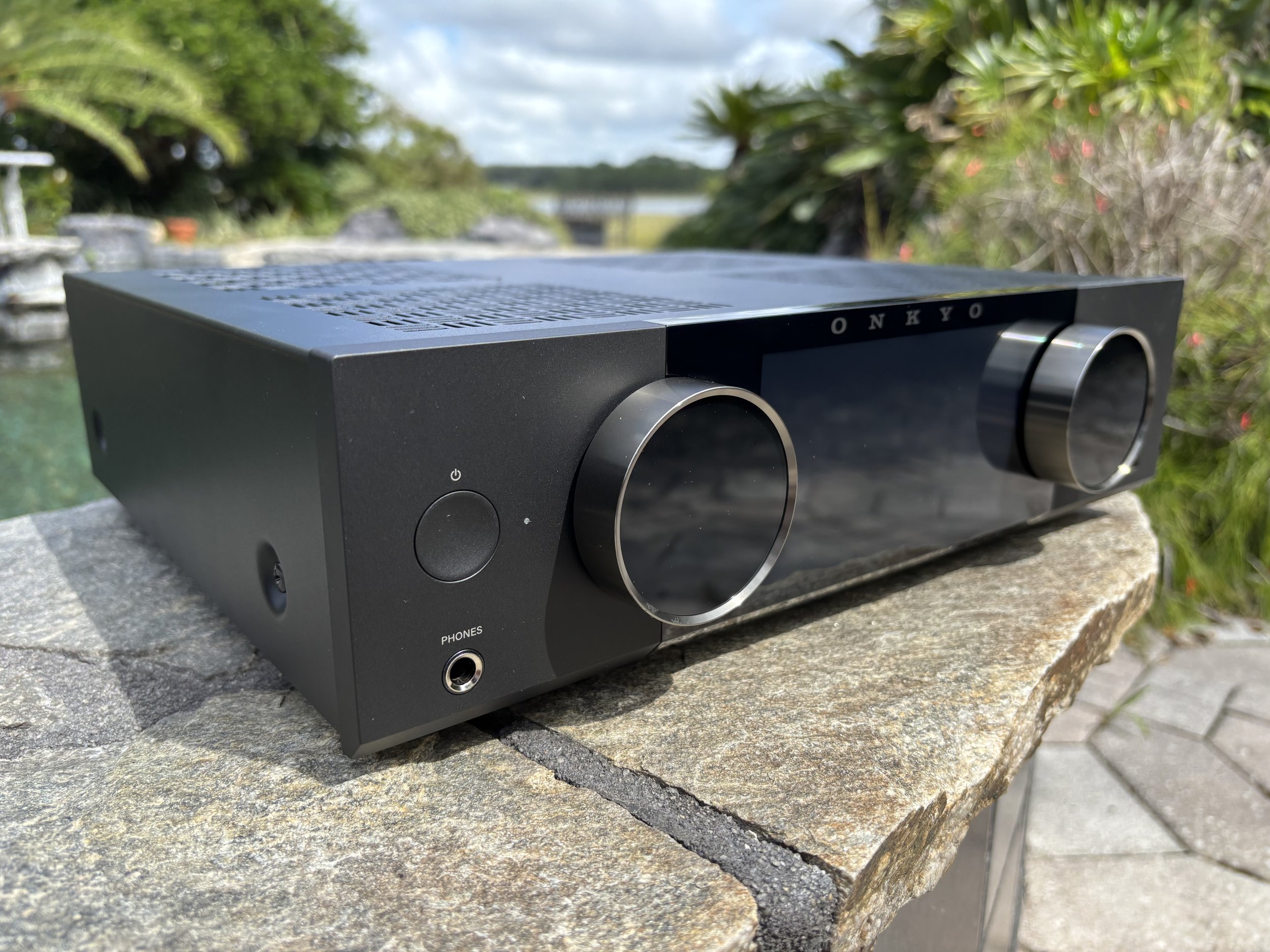
I have a shelf in my garage full of amplifiers I didn't need to buy. That's the occupational hazard of caring too much about this stuff — you end up chasing a sound you can already hear in your head, and every few months something new claims to be the thing that finally gets you there. The Onkyo Muse Y-40 is the first one in a while that made me stop shopping for a bit.
It's not flashy. It doesn't have a marketing story about reinventing amplification. What it has is a sense that someone at Onkyo actually sat down and thought about what a person setting up a stereo in 2026 needs — streaming, a phono input for the turntable nobody talks about anymore but everybody still owns, and a footprint that doesn't demand its own piece of furniture.
The Size Question
Here's the thing nobody tells you about "compact" amplifiers: compact is relative, and it usually means "compact for a component that still has to dissipate real heat and drive real speakers." The Y-40 is genuinely smaller than the receivers I grew up with, but it's not a desktop amp, whatever the marketing photos suggest. Try it next to a keyboard and monitor and it starts elbowing for space it doesn't have. Put it on a media console or a rack shelf, though, and it sits there looking like it belongs — solid, a little understated, not trying to be the star of the room.
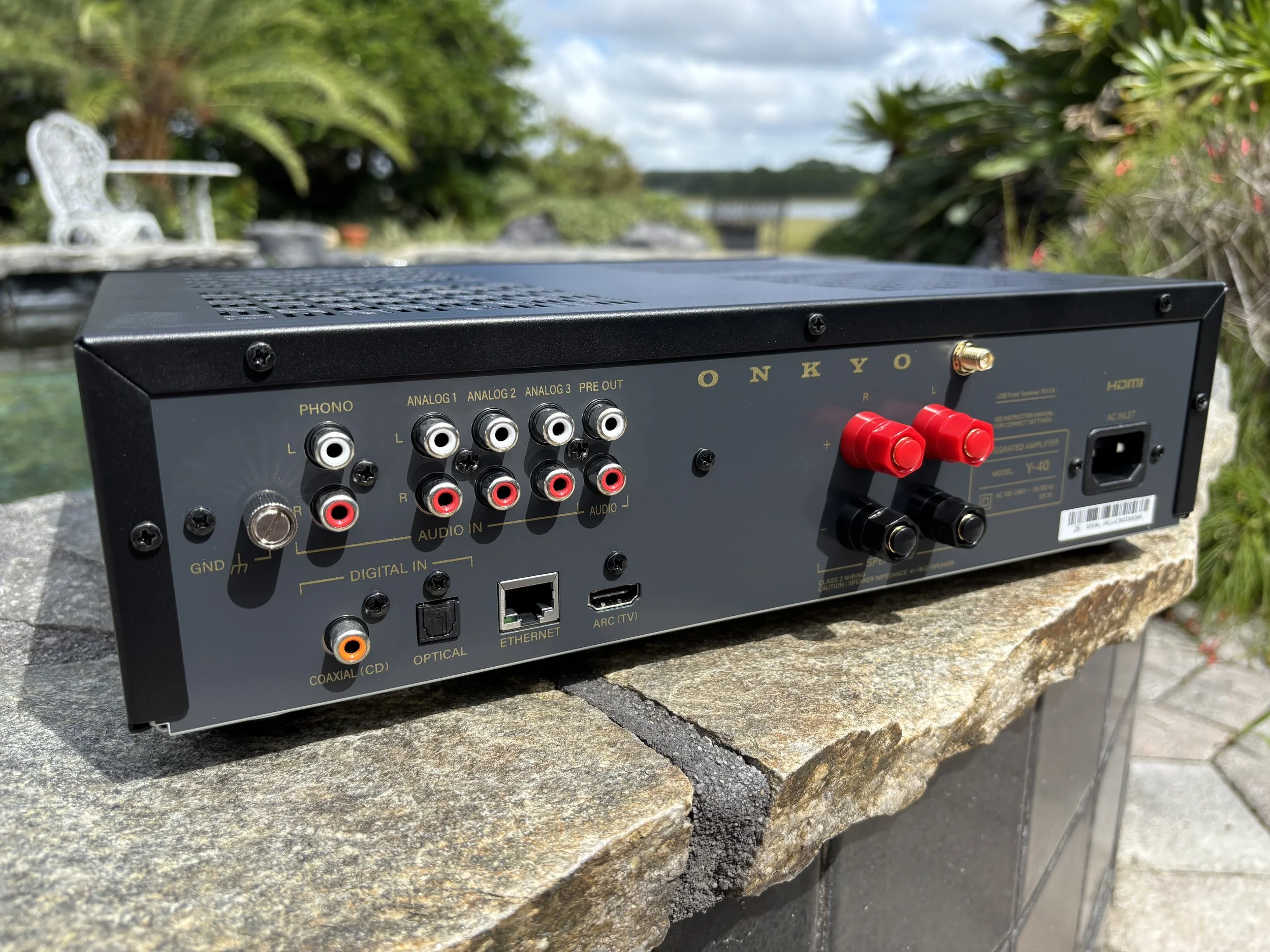
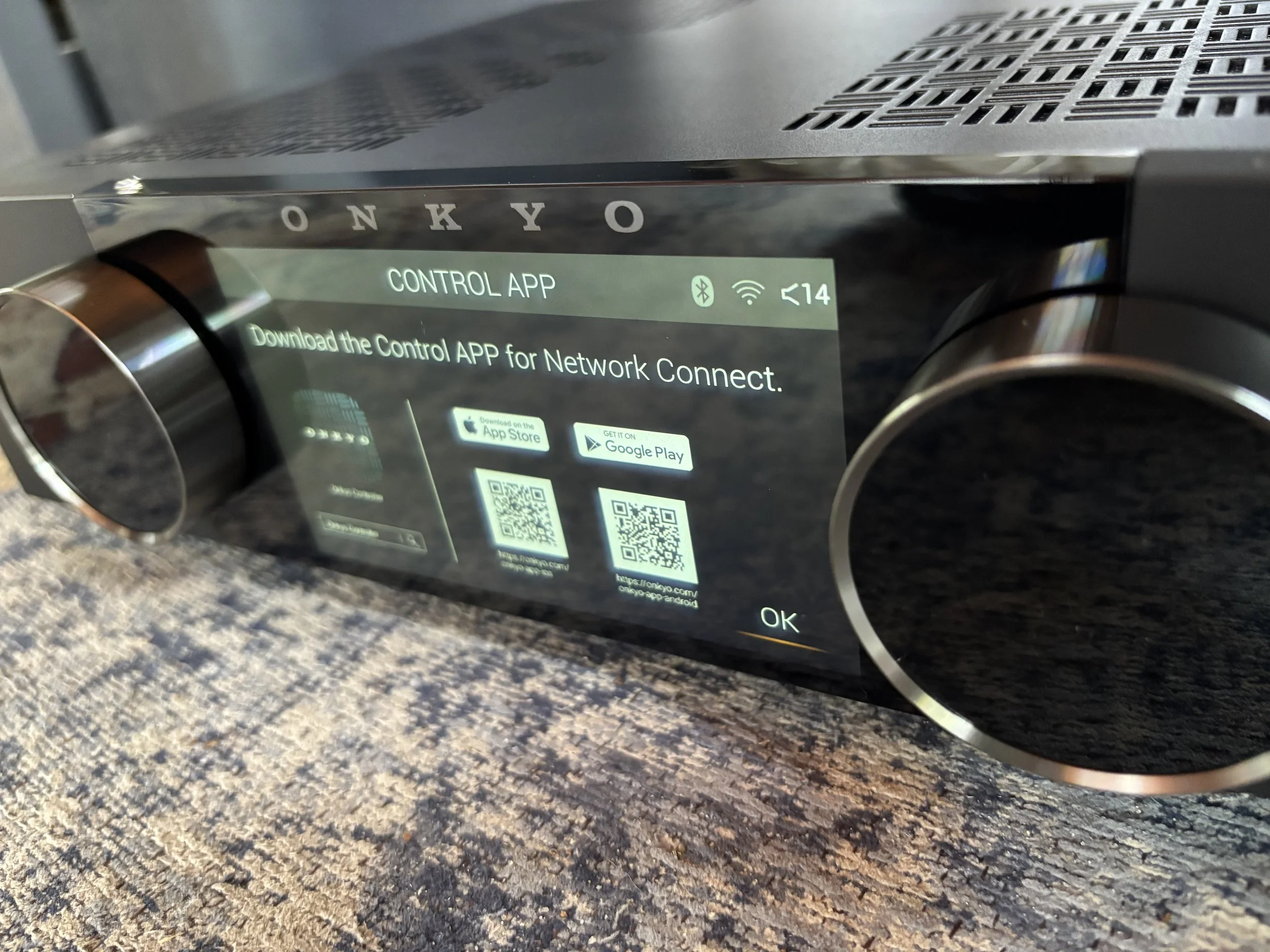
Setup didn't require the manual, which is its own kind of compliment. Ports are labeled sensibly, the app found it on my network without a fight, and I was streaming within minutes instead of fighting Wi-Fi handshakes.
What It's Actually Like to Live With
The streaming support is the whole toolbox — Spotify Connect, TIDAL Connect, AirPlay 2, Bluetooth for the lazy days — plus a phono stage that means the turntable doesn't need its own preamp hiding behind the rack. HDMI ARC almost feels like an afterthought, except it's the feature that quietly saves you from buying a full AV receiver just to get sound out of the TV.
None of this reads as exciting on paper. It reads as exciting when you realize you haven't reached for a different input in weeks because everything you actually use is already plugged in.
Where It Sits Against the Competition
The WiiM Amp Pro is smaller and leans harder into being a pure streaming box — better if your setup is genuinely desktop-sized and space is the priority. The Y-40 gives up a little of that compactness in exchange for feeling like an actual hi-fi component rather than a streaming accessory that happens to have speaker terminals.
The Bluesound Powernode covers similar streaming ground, but the Y-40 wins on flexibility if you're the type with more than one source — a turntable, a CD player, whatever else is still knocking around. Bluesound wants you mostly in its ecosystem; Onkyo doesn't seem to care what you plug in.
The NAD C 700 is the one that actually outclasses it — better industrial design, a more polished BluOS experience, the kind of amp that feels expensive because it is. But it costs enough more that the comparison isn't really fair. The Y-40 isn't trying to be the NAD; it's trying to get you 80% of the way there for a lot less money, and it mostly succeeds.
I'd throw two more into the mix that don't always come up. The Cambridge Audio EVO 75 has more raw power and a slicker app, but it's priced like it knows it, and it's more "all-in-one streamer" than "amplifier you build a system around." The Yamaha WXA-50 is closer in spirit — compact, streaming-first — but skips the phono stage entirely, which rules it out immediately if vinyl is part of your life.
How It Sounds
I ran the Y-40 with a pair of bookshelf speakers for most of my time with it, and this is where the amp stops being a feature list and starts being an actual listening experience. There's real power behind it — enough that a modest pair of bookshelves can open up into something that fills a room instead of just occupying a corner of it. The top end stays clean without turning brittle, the bass holds its shape instead of ballooning, and the whole thing stays composed even when you push it harder than a "casual evening listening" volume.
What actually got me, though, wasn't any one part of the sound — it was the lack of an agenda. A lot of gear in this price range tries to sell you on itself with a boosted bottom end or a sparkly top end that sounds impressive for the first five minutes and fatiguing by the twentieth. The Y-40 doesn't do that. It just steps back and lets the speakers be the speakers.
I know an amp is doing its job when I stop critically listening and start just listening — when I forget I'm supposed to be evaluating gear and I'm three albums deep instead. That happened more than once with this thing plugged in.
If your speakers are ELAC, KEF, Polk, SVS, Klipsch, or Wharfedale — the usual bookshelf suspects — the Y-40 has enough headroom and restraint to let them do their thing without you needing to spend double on amplification to get there.
My One Real Complaint
The knobs.
I say this every time someone asks me about the Y-40, and I'll say it here too: everything about this amp feels considered except the volume knob. The chassis is tight, the display looks good, the fit and finish elsewhere is genuinely above its price class — and then you put your hand on the one control you touch every single day and it feels like it wandered in from a cheaper product. A little oversized, a little hollow, just slightly out of step with everything around it.
It's not enough to change my recommendation. It's just the one thing that reminds you nothing is perfect, right at the moment you're reaching to turn the music up.
Where I Landed
I didn't expect to like the Y-40 as much as I do. It's not the most powerful thing in its price range, it's not the prettiest, and those knobs genuinely annoy me every time I use them. But it does the one thing that's actually hard to fake: it disappears. You stop noticing the amp and start noticing the music, which is the only review that matters once you've lived with something long enough to stop taking notes.
If you want something that handles a turntable, a TV, and every streaming service you've got without asking you to compromise on any of it — and that still sounds genuinely good doing it — the Y-40 earns its spot. Just budget for how much you'll silently resent those knobs.