SMSL vs. Topping: Which Chi-Fi Hi-Fi Brand Is Better in 2026?
Disclosure: We may earn a commission when you purchase through links on our site. This does not influence our reviews or recommendations.
Spend an hour in any headphone or DAC forum and two names will surface again and again: SMSL and Topping. Both are Shenzhen-based manufacturers that emerged from China's electronics supply chain over the past decade and, in the process, rewrote the economics of desktop Hi-Fi. Where a clean-sounding DAC and a genuinely quiet headphone amp once meant a four-figure invoice from a boutique audio company, SMSL and Topping now deliver that same performance for a few hundred dollars — sometimes less.
The two brands get lumped together so often that people treat the choice between them like picking a soda brand. It isn't quite that simple, and it isn't quite that different either. Here's where they actually diverge, and where the differences you've heard about are mostly marketing. My favorite is SMSL, I am writing this article listening to my DO400 right now.
Topping Audio Deals on Amazon!
Build Quality: A Genuine Tie
This one isn't close enough to argue about. Both companies machine their own aluminum chassis, and the finish on something like SMSL's VMV D2 or Topping's D90III looks and feels every bit as good as gear costing three or four times as much. Volume knobs turn with real resistance, buttons don't rattle, and the displays are legible without being garish.
It wasn't always this way. A decade ago, "Chinese Hi-Fi" was industry shorthand for flimsy plastic and slightly-off screen printing. That reputation is dead. If you peeled the badges off a current SMSL and Topping unit and asked an audiophile to guess which was which, they'd be guessing blind.
Sound Quality: Neither One Is Trying to Impress You
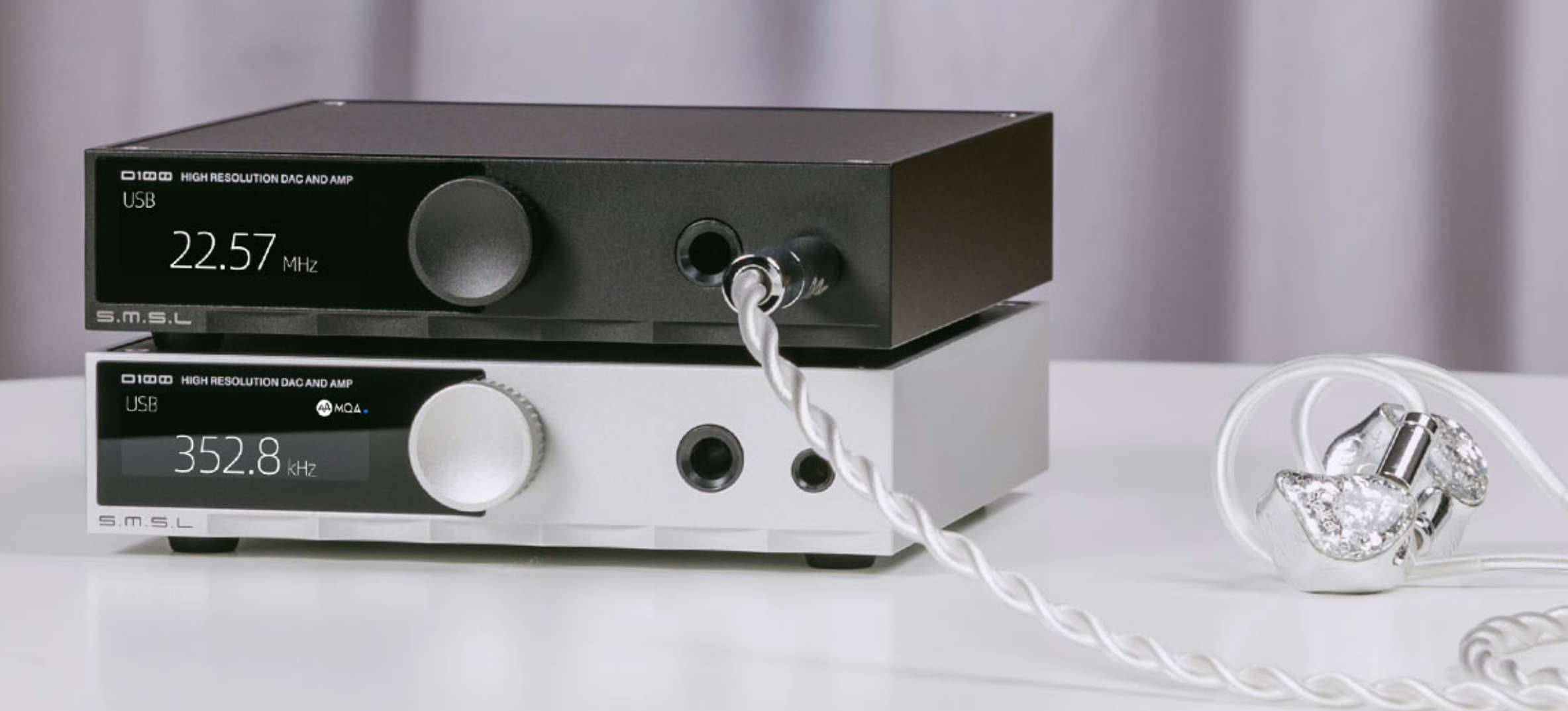
Both brands chase the same target: a flat, uncolored signal that doesn't add anything of its own. That's the whole design philosophy behind measurement-driven audio, and it's why so much of their gear leans on the same handful of chipsets — ESS Sabre DACs and THX AAA amplifier modules show up across both lineups, sometimes in the exact same generation.
Practically, this means you shouldn't expect either brand to "transform" your headphones. If you're chasing a warmer, more romantic sound signature, you're shopping in the wrong category entirely — go look at tube amps instead. What SMSL and Topping sell is transparency: a DAC and amp that get out of the way and let your headphones or speakers do the actual character work.
Topping Audio Deals on Amazon!
Features: This Is Where the Brands Actually Split
SMSL is the more adventurous of the two. Its catalog sprawls — compact desktop DACs, all-in-one integrated amps with built-in streaming, even a line of tube-hybrid units for people who want a little coloration without leaving the brand. Products like the SP200 or the SU-9 pack in extra display modes, remote-controlled EQ, and multiple digital inputs that go beyond what strict measurement purists think a DAC needs.
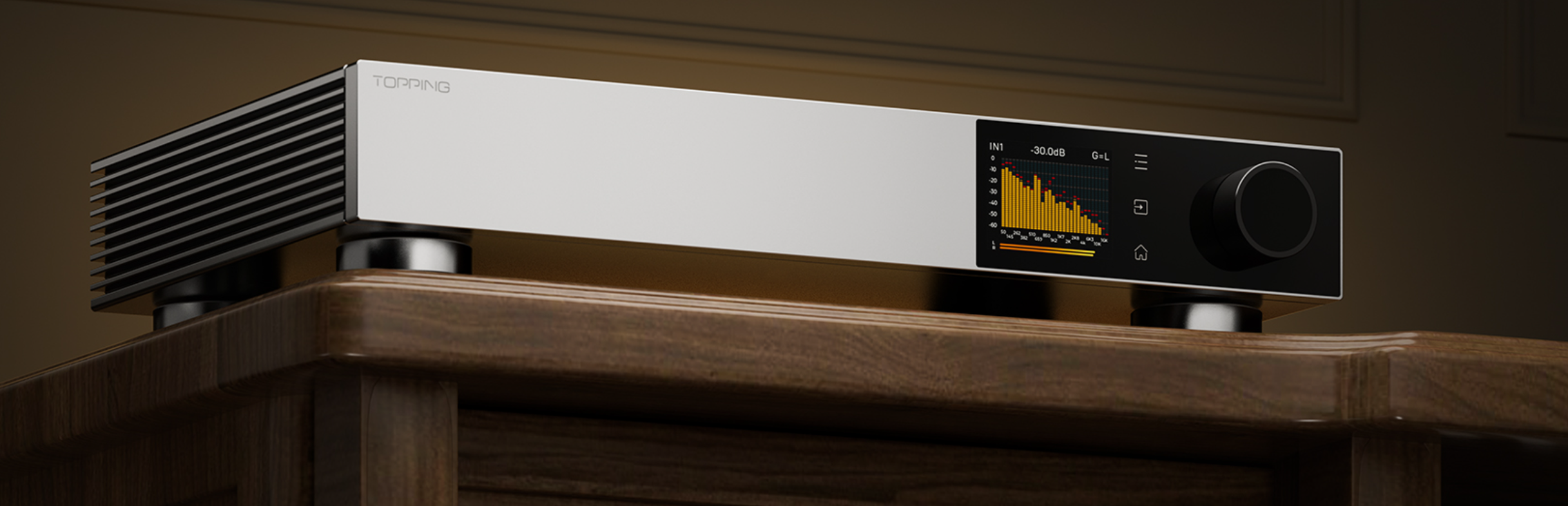
Topping plays it straighter. Its reputation was effectively built on Audio Science Review, where products like the D90 series and A90 amplifier posted some of the lowest distortion and noise figures ever recorded on consumer gear. Topping's design language reflects that: fewer bells and whistles, more effort spent shaving another decibel of noise off the spec sheet.
Neither approach is objectively correct. One is a features company that happens to measure well; the other is a measurements company that happens to look good doing it.
Value: Both Brands Embarrass the Rest of the Industry
It's genuinely hard to name another pair of manufacturers that deliver this much measured performance per dollar. A $150 Topping DX3 Pro+ or a similarly priced SMSL SU-1 will out-measure DACs that cost ten times as much from legacy brands trading purely on name recognition. Step up to $500–$800 and you're in genuinely high-end territory — SMSL's D400ES or Topping's D90III SE compete with equipment that used to require flying to a specialty audio shop and a much larger budget.
Reliability: Both Have Grown Up
Early units from both companies had their share of teething problems — the usual growing pains of any manufacturer scaling fast. That's largely behind them now. Modern SMSL and Topping products carry solid reliability track records, and buying through retailers like Amazon or Apos smooths over the rare defective unit with straightforward returns rather than a shipping battle with an overseas seller.
So, Which One Should You Buy?
Choose SMSL if you:
Want a broader catalog to choose from, including integrated amps and streamers
Like feature-rich products with modern displays and extra inputs
Want a bit more personality in the industrial design
Choose Topping if you:
Care primarily about measured performance and technical purity
Want some of the cleanest, quietest DACs and headphone amps on the market
Prefer a no-frills approach engineered around one goal: distortion as close to zero as possible
Our Take
There's no wrong answer here, and that's the real headline. SMSL and Topping didn't just compete with legacy Hi-Fi brands — they forced a recalibration of what "affordable" audio equipment is capable of. You no longer need thousands of dollars to build a system that measures and sounds excellent.
If pressed, I lean SMSL. The broader lineup and willingness to experiment with features gives their gear a personality that Topping's spec-sheet purism doesn't always have — and it's one of the few Chi-Fi brands whose new releases I genuinely look forward to covering.