Disclosure: We may earn a commission when you purchase through links on our site. This does not influence our reviews or recommendations.
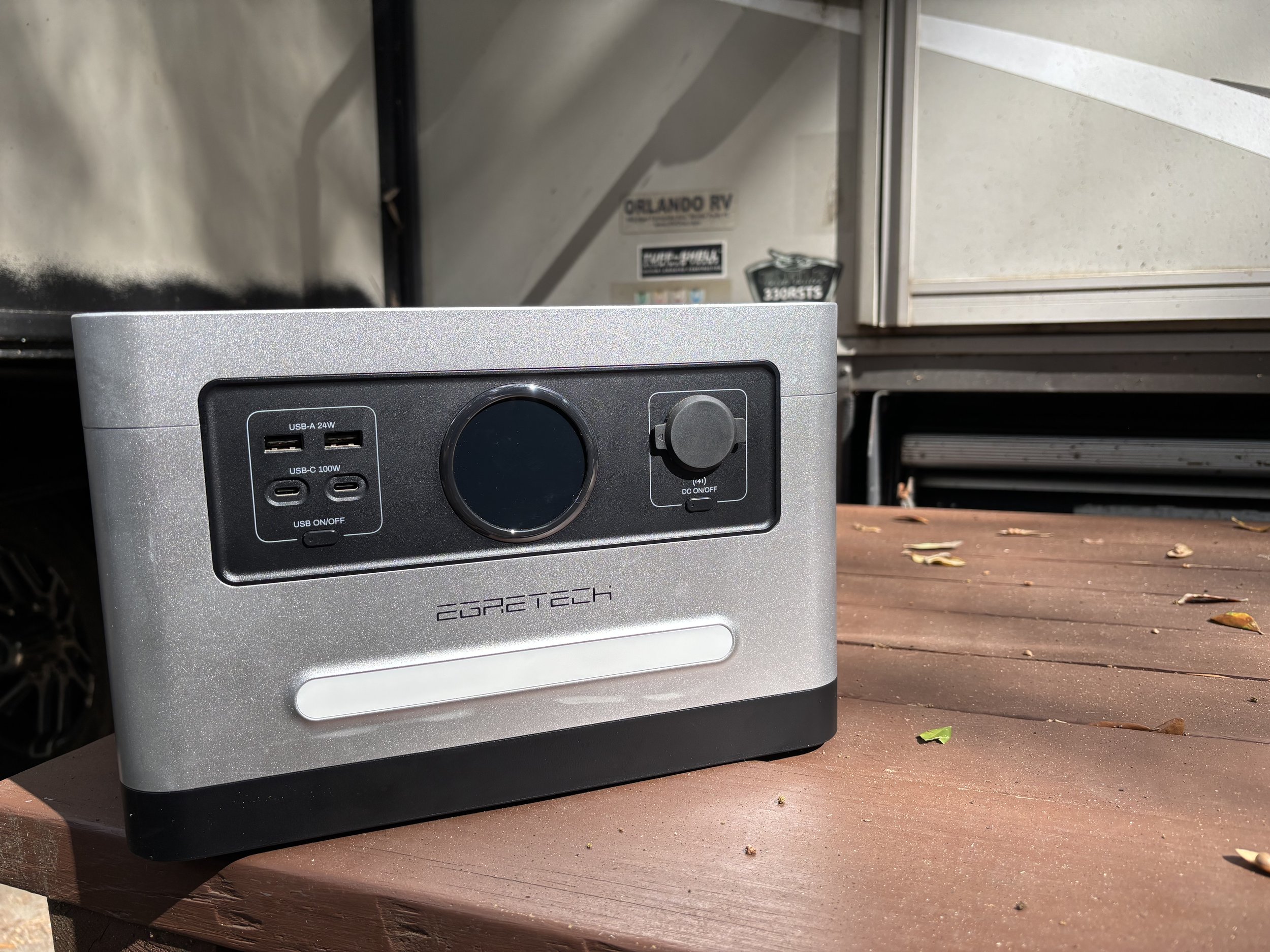
Three years ago, I reviewed the EcoFlow River 2 Pro alongside a portable solar panel and asked a fairly simple question: Does solar power actually make sense yet? At the time, I liked the technology, appreciated the convenience, and genuinely wanted portable solar generators to succeed. But when I started looking at the costs, capabilities, and practical limitations, I struggled to justify them over a traditional gas generator.
That was three years ago. Since then, I've tested considerably more portable power stations, solar generators, and traditional gas-powered generators. I've watched new manufacturers enter the market, prices come down, and companies advertise all sorts of technological advancements. And after all that testing, I've arrived at a somewhat disappointing conclusion. Three years later, I'm still not convinced solar generators make much sense for the money. In fact, I think traditional gas generators may have pulled even further ahead.
Three Years of Progress, but How Much Has Really Changed?
I'll give the portable power station industry some credit. Products have become more affordable, lithium iron phosphate (LiFePO4) batteries have become increasingly common, charging speeds have improved, and some of the newer units offer impressive features. But here's my problem: Those improvements haven't fundamentally changed what these products can accomplish. A portable power station that could provide a few hours of electricity three years ago is still fundamentally limited by how much energy its battery can store. You might get a better display, faster charging, more outlets, or a longer battery lifespan, but when it comes to delivering sustained electricity, the same limitations remain.
And adding a solar panel doesn't magically solve that problem. You're still dependent on sunlight, weather conditions, panel placement, and the amount of energy your system can collect throughout the day. A cloudy afternoon or a poorly positioned panel can dramatically reduce charging performance. Meanwhile, a traditional gas generator doesn't care whether it's sunny, cloudy, or raining. With proper outdoor placement and adequate fuel, it can continue producing electricity for hours. That's a pretty significant difference, especially when electricity is something you actually need rather than simply something that's convenient to have.
Best Deals on Gas Generators on Amazon!
Best Solar Generators on Amazon!
Meanwhile, Gas Generators Have Gotten Surprisingly Good
Here's something I didn't necessarily expect when I started testing more generators: Some of the less recognizable gas generator brands have been genuinely impressive. I'm currently sitting on four gas generators, and they've all performed extremely well. No major reliability problems, no frustrating breakdowns, and none of the horror stories you might expect from inexpensive equipment. In fact, I've been surprised by just how good some of these affordable models have become. We're seeing competitive pricing, capable inverter technology, improved usability, and features that were once associated with considerably more expensive generators.
And unlike portable battery systems, gas generators have a massive advantage that no amount of clever marketing can overcome: They can produce electricity continuously as long as they're properly maintained, supplied with fuel, and operated within their rated capabilities. A relatively inexpensive gas generator can provide thousands of watts of power for extended periods. Trying to replicate that capability with batteries and solar panels can quickly become an expensive proposition. Sure, you can spend $3,000, $4,000, or even $5,000 building a serious battery backup system with additional expansion batteries and solar charging. But at that point, what exactly are we accomplishing when a gas generator costing a fraction of that amount can handle many of the same high-demand outdoor power applications?
Here's the Weird Part: I've Had More Problems With Battery Power Stations
One of the biggest selling points for portable power stations is their supposed simplicity. No engine oil to change, no spark plugs, no carburetor to clean, and no gasoline to store. Fewer moving parts and, theoretically, fewer opportunities for something to go wrong. That all sounds fantastic, except my actual ownership experience has been a little different. Over the years, I've encountered more issues with battery power stations than I have with the gas generators I've tested, and I find that genuinely surprising.
These battery-powered products are often marketed as the modern, low-maintenance alternative to traditional generators. Yet the comparatively inexpensive gas generators sitting in my collection have been remarkably dependable. Of course, that doesn't mean gas generators are universally more reliable. My experience isn't a controlled reliability study, and electronic failures can happen with any product. But it does raise an interesting question: If I'm paying substantially more for a supposedly simpler product, shouldn't I also be getting a better ownership experience? At least in my testing, that hasn't consistently been the case.
Solar Panels Are Still a Bigger Hassle Than Advertised
I understand why people like the idea of portable solar power. You're camping, overlanding, or spending time somewhere without access to electricity. You bring a power station, unfold a solar panel, and start collecting free energy from the sun. Sounds wonderful, right? In practice, I've found the experience considerably less appealing. Portable solar panels are often large, awkward pieces of equipment that need to be transported, unfolded, positioned, and protected from damage. They're not something you can just throw into a packed vehicle without thinking about them. Even folding panels occupy valuable space, and you need to be careful about how they're stored.
Then there's the actual process of using them. You need sufficient sunlight, the correct orientation, and a reasonably unobstructed location. Depending on the panel and weather, you may need to reposition everything throughout the day to maximize your energy production. And even after all that effort, you might not generate nearly as much electricity as you expected. A gas generator certainly isn't perfect for camping. You have to transport fuel, deal with engine noise, and operate it safely outdoors, well away from tents, vehicles, windows, and occupied spaces. But when you need substantial electricity, there's something appealing about adding fuel, starting the engine, and getting predictable power without waiting for the weather to cooperate.
Best Deals on Gas Generators on Amazon!
Best Solar Generators on Amazon!
The Price-to-Performance Problem Still Hasn't Been Solved
This is where portable solar generators continue to lose me. Let's say you're shopping for a reasonably affordable backup power solution. A gas generator costing around $400 can potentially provide thousands of watts of continuous electrical output, depending on the model. Now look at what $400 buys you in the portable power station market. You might find a capable battery system that can operate electronics, recharge devices, and power smaller appliances. But the moment you start running sustained, high-demand loads, battery capacity becomes a serious limitation.
Consider a power station with approximately 1,000 watt-hours of stored energy. Run a 500-watt appliance continuously, and you're looking at roughly two hours of operation at best, with actual runtime somewhat lower depending on conversion losses and other factors. Run something drawing 1,000 watts, and that runtime drops to around an hour or less. A gas generator with adequate rated output can continue powering those loads for much longer between refueling stops.
To be fair, the comparison isn't entirely straightforward. Gas generators have ongoing fuel costs, require maintenance, and produce emissions. Battery power stations offer quiet operation, indoor usability, and convenient backup electricity without combustion. But if we're comparing the ability to supply substantial amounts of electricity over extended periods, I still don't see how portable battery systems compete economically. And that's before adding the cost of solar panels.
What About the Environmental Benefits?
I don't want to dismiss the environmental advantages of battery storage and solar charging. Generating electricity from sunlight without burning fuel is an appealing proposition, and reducing gasoline consumption is a worthwhile goal. Portable battery systems also produce no exhaust while operating, which makes them suitable for indoor use and particularly valuable in situations where a combustion generator would be unsafe. But we should also recognize that batteries require materials, manufacturing, transportation, and eventually recycling or disposal. Their environmental footprint isn't zero.
The larger question is how much electricity a portable solar system can realistically generate and how frequently someone will use it. For a person regularly camping off-grid or using solar equipment throughout the year, the benefits may be meaningful. For someone purchasing a large, expensive solar generator primarily for occasional emergencies, the economics and environmental tradeoffs become more complicated. I think those differences deserve considerably more attention than they receive in typical product marketing.
There Are Situations Where Battery Power Stations Absolutely Win
Despite everything I've said, I don't dislike portable power stations. Quite the opposite. I enjoy testing them, and I think they're useful products when purchased for the right reasons, I also think they are the future over gas. For indoor emergency backup, they're fantastic. You can keep essential electronics running without worrying about exhaust fumes or transporting gasoline. They're also excellent for charging phones, laptops, cameras, drones, and other smaller devices. And if you're camping somewhere that prohibits generators or has strict noise restrictions, a quiet battery system is an obvious advantage.
You also get immediate electricity without starting an engine, and there's no routine engine maintenance. Those are genuine benefits, and I wouldn't want anyone to overlook them. But there's a big difference between being a convenient portable battery and being a practical replacement for a gas generator. I think too much of the industry continues to blur that distinction.
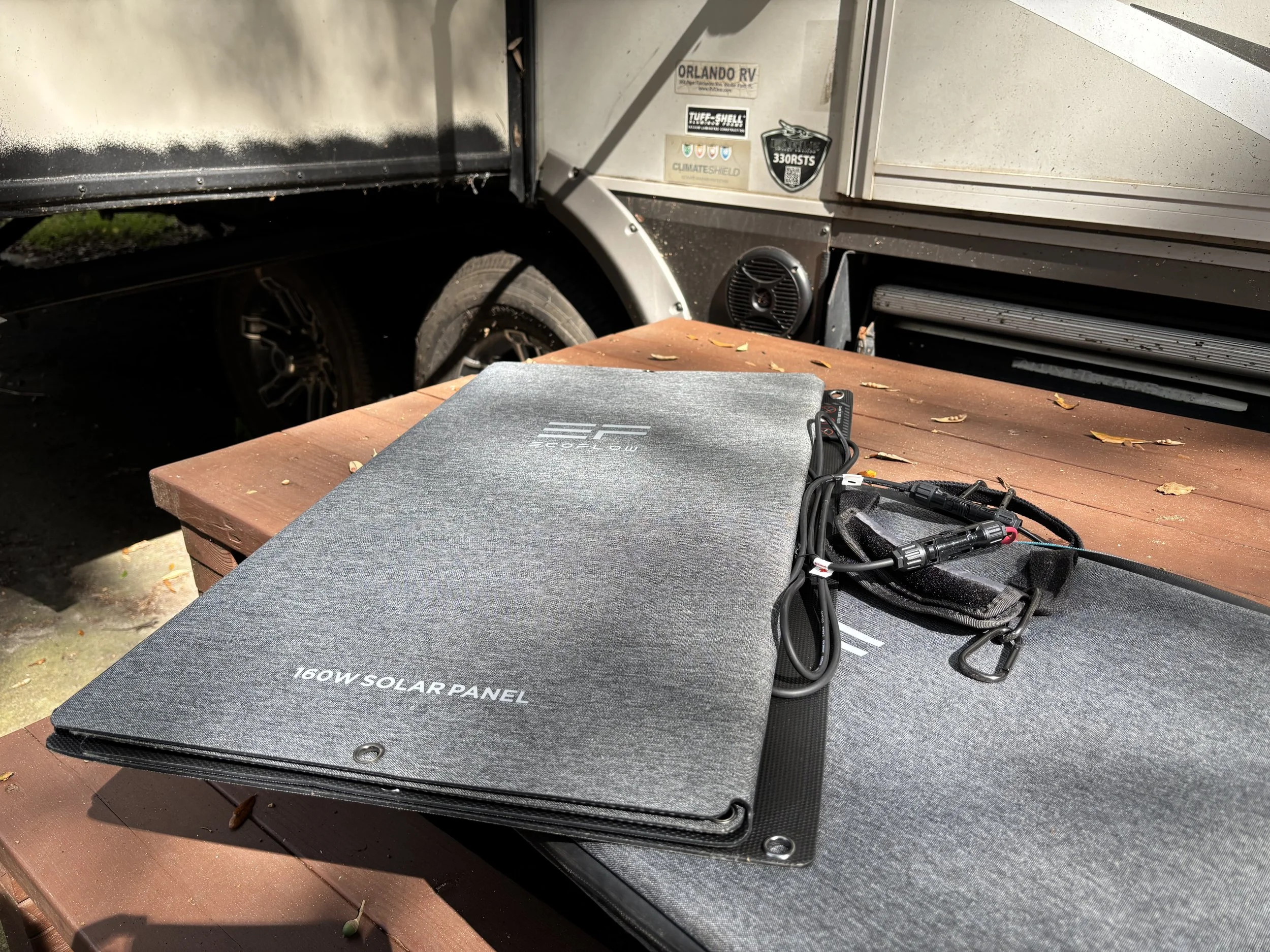
Three Years Later, I'm Still Waiting
When I reviewed the EcoFlow River 2 Pro three years ago, I genuinely expected the portable solar generator market to become much more competitive with traditional gas generators. I figured battery technology would improve, prices would fall, and the practical advantages of solar would become increasingly difficult to ignore. Some of that has happened, but not nearly enough to change my opinion. Meanwhile, the gas generator market hasn't stood still. Affordable manufacturers have continued introducing capable products, and my personal experience testing them has been overwhelmingly positive.
That's what makes this comparison so frustrating. I'm a technology enthusiast. I like battery-powered equipment, renewable energy, and the idea of moving away from combustion engines where it makes practical sense. I would love to tell you that portable solar generators have finally reached the point where they're the obvious choice for most people. But after three more years of testing, I simply can't make that argument.
If you want quiet, convenient power for smaller electronics, indoor backup, or situations where gasoline generators aren't practical, a portable power station makes perfect sense. But if your priority is getting the most sustained electrical power for your money, particularly for outdoor backup, demanding equipment, or extended outages, I still believe a traditional gas generator is the better investment.
Three years ago, I was waiting for solar generators to catch up. Three years later, I'm still waiting. And judging by how good some of today's inexpensive gas generators have become, I might be waiting a while longer.