
Disclosure: We may earn a commission when you purchase through links on our site. This does not influence our reviews or recommendations.
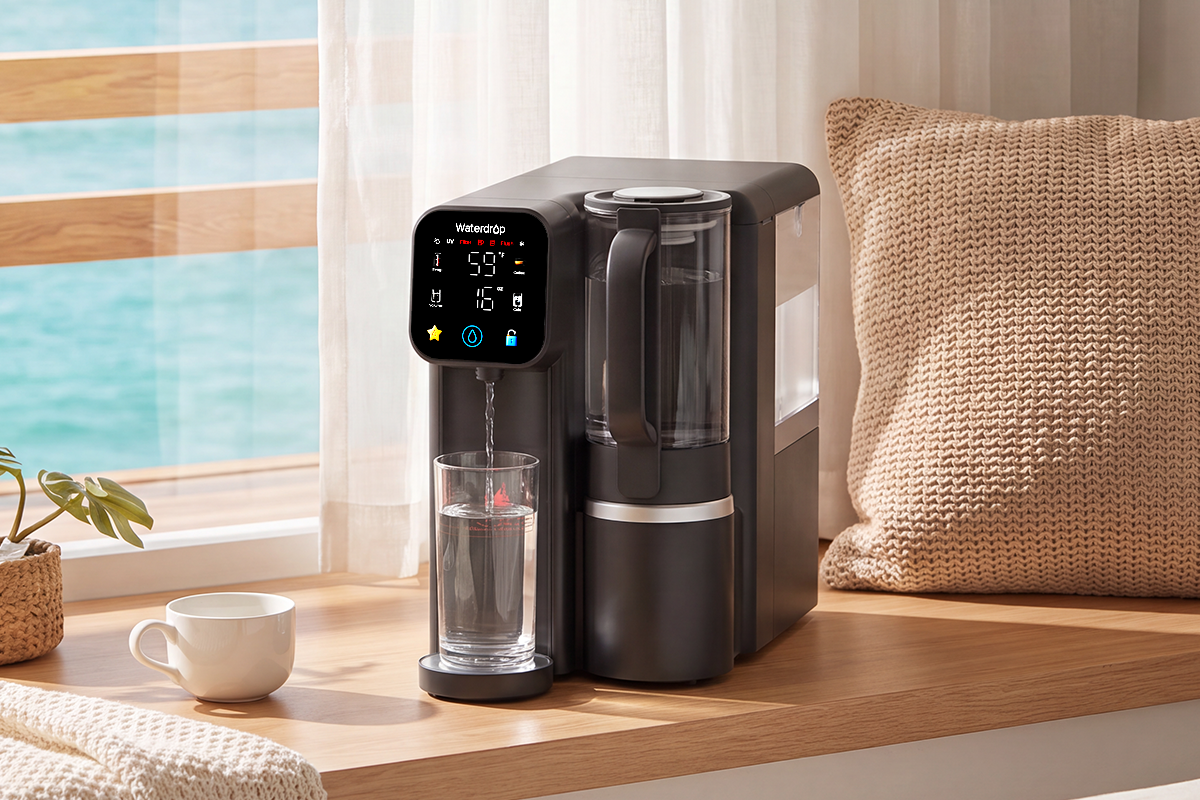
The Waterdrop M6CG Hot and Cold Mineral RO System
Buying a water filter sounds simple until you see all the options. Some are pitchers you keep in the fridge, while others dispense hot and cold water, connect directly to your plumbing or use reverse osmosis (RO) to remove a wider range of impurities. And spending more doesn't necessarily mean you're getting something better suited to your needs. We've picked five Waterdrop systems, from an affordable glass pitcher to more advanced under-sink models. Whether you're looking for better tasting tap water, a little more convenience, or a more comprehensive filtration system, here's what each one offers.
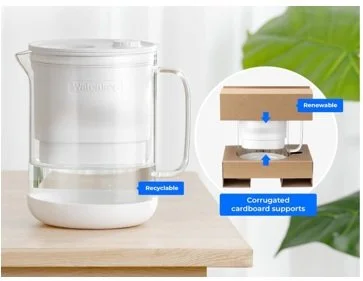
Waterdrop PT-72W Glass Water Filter Pitcher
Best for: Simple, everyday water filtration
Not everyone needs an expensive filtration system installed under the kitchen sink. If your main concern is improving the taste of your drinking water, a good pitcher may be all you need. The Waterdrop PT-72W is a 7-cup glass pitcher with a five-stage filtration system that uses materials including activated carbon and ion-exchange resin. Its filter is certified to NSF/ANSI 42 for chlorine taste and odor reduction, NSF/ANSI 53 for mercury reduction, and NSF/ANSI 372 for lead-content requirements. Waterdrop also advertises reductions in substances such as PFOA and PFOS, although it would be worth checking out the specific performance claims if those contaminants are a concern.
The glass body gives it a different feel from the typical all-plastic water pitcher, although it still has a plastic inner liner and other components. I honestly love glass over plastic anyday! It's compact enough to keep on the counter or in the refrigerator, and each filter is rated for up to 100 gallons or approximately two months of use, depending on water quality and consumption. However, this isn't a reverse osmosis system, and it won't lower total dissolved solids (TDS). You'll also need to refill it manually and keep up with regular filter changes. Still, if you want an uncomplicated way to improve everyday drinking water without adding another appliance to the kitchen, it's a practical place to start.
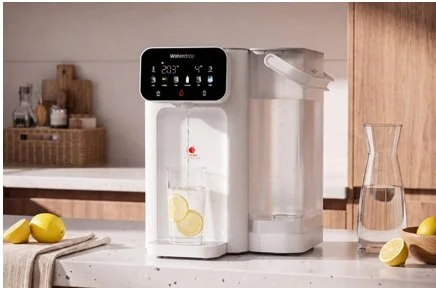
Waterdrop CT01 Hot and Cold Water Dispenser
Best for: Convenient hot and cold filtered water
If you're constantly filling the kettle for tea or reaching into the refrigerator for cold water, a countertop dispenser might be a good fit for you. I drink a few glasses of tea a day, so something like this would be perfect for me. The Waterdrop CT01 combines a six-stage filtration system with hot and cold water dispensing, giving you several ways to use filtered water without installing anything under the sink. It helps reduce chlorine, rust, sediment and other common impurities while retaining naturally occurring minerals such as calcium and magnesium. Unlike Waterdrop's reverse osmosis models, the CT01 doesn't use an RO membrane or produce wastewater.
The temperature controls are one of its best features. There are five one-touch presets, including settings for coffee, tea, formula, hot water and cold water, along with customizable temperatures and dispensing volumes. You can also save your favorite settings for quick access. The CT01 has a 1.32-gallon water tank, touchscreen controls and a filter-life indicator. Waterdrop rates its replacement filter for up to 300 gallons or six months of use.
It does take up counter space, requires an electrical outlet and needs refilling, so it isn't quite as effortless as getting water straight from the tap. But, for households that want filtered water at different temperatures throughout the day, it's a convenient option. Just keep in mind that it isn't a substitute for a reverse osmosis system if you're specifically looking for that level of filtration.
Waterdrop M6CG Hot and Cold Countertop Reverse Osmosis System
Best for: Reverse osmosis filtration without plumbing installation
The Waterdrop M6CG takes countertop filtration to the next level, offering reverse osmosis without requiring a permanent installation. Its eight-stage system includes an RO membrane designed to reduce total dissolved solids and a range of other impurities. Waterdrop lists NSF/ANSI 58 and 372 certification for the system. NSF/ANSI 58 covers reverse osmosis performance, while NSF/ANSI 372 addresses lead content in materials. They also advertise reductions in substances such as fluoride, lead, arsenic and PFOA/PFOS. However, some of these claims are based on the company's internal laboratory evaluations, so it's important to check the performance data to see which reductions have been independently certified.
Because reverse osmosis removes many naturally occurring minerals along with unwanted substances, the M6CG includes a remineralization stage that adds minerals like calcium, magnesium and potassium back into the water, primarily to improve its taste. The system also dispenses water at adjustable temperatures from 59°F to 203°F, making it useful for everything from cold drinks to tea and coffee. There's even a detachable 40-ounce glass pitcher, so you can bring filtered water to the table or store it in the fridge.
Setup is fairly straightforward: just fill the tank, plug it in, and follow the initial instructions. Since reverse osmosis produces wastewater, the M6CG has separate tanks for incoming water (135 ounces) and wastewater (50 ounces), meaning you'll need to refill one and empty the other periodically. Waterdrop rates the system at 75 gallons per day with a 3:1 pure-to-drain ratio under rated conditions. And at nearly 16 inches wide and approximately 26 pounds, it's a good idea to measure your counter before buying. Still, for anyone who wants reverse osmosis without modifying their plumbing, the M6CG offers a nice middle ground between convenience and more advanced filtration.
Waterdrop G3P800 Under-Sink Reverse Osmosis System
Best for: Everyday under-sink reverse osmosis filtration
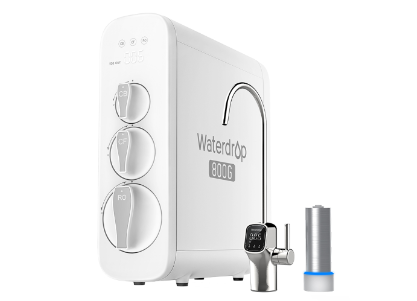
Countertop systems are convenient, but they aren't always ideal if you'd rather have filtered water available directly from a faucet. The Waterdrop G3P800 takes a more permanent approach, using a tankless reverse osmosis design that fits beneath the kitchen sink. It's rated for up to 800 gallons per day (GPD), with a ten-stage filtration process. Waterdrop lists substances such as lead, fluoride, PFAS and chromium among its reduction claims, and states that the system has been tested and certified by IAPMO R&T to NSF/ANSI 42, 53, 58 and 372 for applicable requirements and specified claims.
Unlike traditional reverse osmosis systems that use a separate storage tank, the G3P800 filters water on demand. That helps reduce the space needed beneath the sink, although you'll still need room for the main unit and its connections. The system also has a rated 3:1 pure-to-drain ratio, meaning it produces roughly three parts filtered water for every one part wastewater under rated conditions. That's worth noting, since water efficiency can vary significantly between RO systems.
One especially useful feature is the smart faucet, which displays information about the filter's remaining life and the water's TDS reading. It takes some of the guesswork out of maintenance, although TDS alone doesn't tell you whether every possible contaminant has been removed. According to Waterdrop, the pre-filter should be replaced every six months, the carbon filter every twelve months and the RO membrane every two years, or sooner if their rated capacities are reached.
The main trade-off is installation. You'll need to connect the system to the water supply and drain, provide electrical power and make room for a dedicated faucet. But for households that regularly use filtered water for drinking, cooking and making beverages, the G3P800 offers the convenience of having an RO system built into the kitchen rather than taking up a chunk of counter space.
Waterdrop X12 Under-Sink Reverse Osmosis System
Best for: Larger households and high-capacity filtration
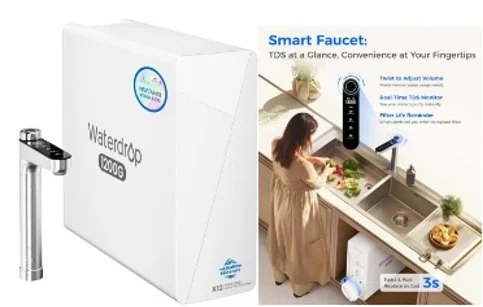
The Waterdrop X12 builds on the idea of a tankless under-sink RO system, but with greater output and a few additional conveniences. Its eleven-stage filtration system is rated for up to 1,200 gallons per day, compared with the G3P800's 800 GPD. Like the G3P800, it's tankless with a rated 3:1 pure-to-drain ratio. It also includes a remineralization stage to improve the taste of the filtered water. Waterdrop states that the X12 has been tested and certified by IAPMO R&T to NSF/ANSI 42, 58 and 372 for applicable requirements and specified claims.
One of the X12's more convenient features is its digital control faucet, which displays TDS readings and filter-life information while letting you select dispensing volumes. That's especially handy when you're filling water bottles, glasses or cooking containers throughout the day. As for maintenance, the RO membrane is rated for up to two years of use, while the other filters have six- and twelve-month replacement intervals. The system does require under-sink plumbing, drainage and electrical connections, and at approximately 39 pounds, it's pretty substantial.
It's also a bigger investment than the G3P800, both upfront and when it comes to replacement filters. And while its 1,200 GPD capacity sounds impressive, most households won't come close to using that much drinking water in a day. The advantage is how quickly it can deliver filtered water when you need it. For busy kitchens where filtered water gets used frequently, the X12 offers a premium option with higher rated capacity and convenient dispensing controls.
Which Waterdrop Water Filter Should You Choose?
The best choice really depends on what you're looking to get out of a water filter. If you just want better-tasting drinking water without changing anything about your kitchen, the PT-72W glass pitcher is an easy place to start. The CT01 would make more sense if you like the idea of having hot and cold filtered water ready throughout the day, especially if you're regularly making coffee or tea.
If you specifically want reverse osmosis but don’t want to deal with plumbing, consider the M6CG. You'll need to make room for it on the counter and keep up with refilling and emptying the tanks, but it is a convenient alternative to a permanent installation.
For those of you who’d rather have filtered water available straight from a dedicated faucet, the G3P800 offers a good balance of capacity and everyday convenience. The X12 takes things further with faster rated output, remineralization and more advanced faucet controls. Whether those extras are worth the additional cost really comes down to how much filtered water your household uses and which conveniences matter to you.
What to Look for When Buying a Water Filter
Before choosing a water filter, think about what you're actually trying to remove from your water. If you're mostly bothered by a chlorine taste or smell, you probably don't need an elaborate reverse osmosis system. But if you're concerned about specific contaminants like lead, fluoride or PFAS, you'll want to pay closer attention to the filter's tested reduction claims.
Certifications can help, but the numbers aren't interchangeable. NSF/ANSI 42 generally covers aesthetic concerns like taste and odor, while NSF/ANSI 53 addresses specific contaminants with health-related effects. NSF/ANSI 58 applies to reverse osmosis systems, with additional contaminant-reduction claims depending on what has actually been tested. Meanwhile, NSF/ANSI 372 addresses lead content in materials rather than proving a filter removes lead from water. Remember to check the product's performance data sheet instead of assuming that one certification means a system removes everything.
Maintenance is another thing that's easy to overlook, and how much you're willing to deal with can make a difference in which system you choose. A pitcher may only need an occasional filter change, while a countertop RO machine requires regular refilling, wastewater disposal and cleaning. Under-sink systems eliminate some of those daily chores, but they require installation and can have more expensive replacement filters. You'll also want to consider how much space you have to work with. We lived in a RV for a time and counterspace was gold! Everything looks compact in product photos, but photos can be deceiving. Always measure first.
