Disclosure: We may earn a commission when you purchase through links on our site. This does not influence our reviews or recommendations.
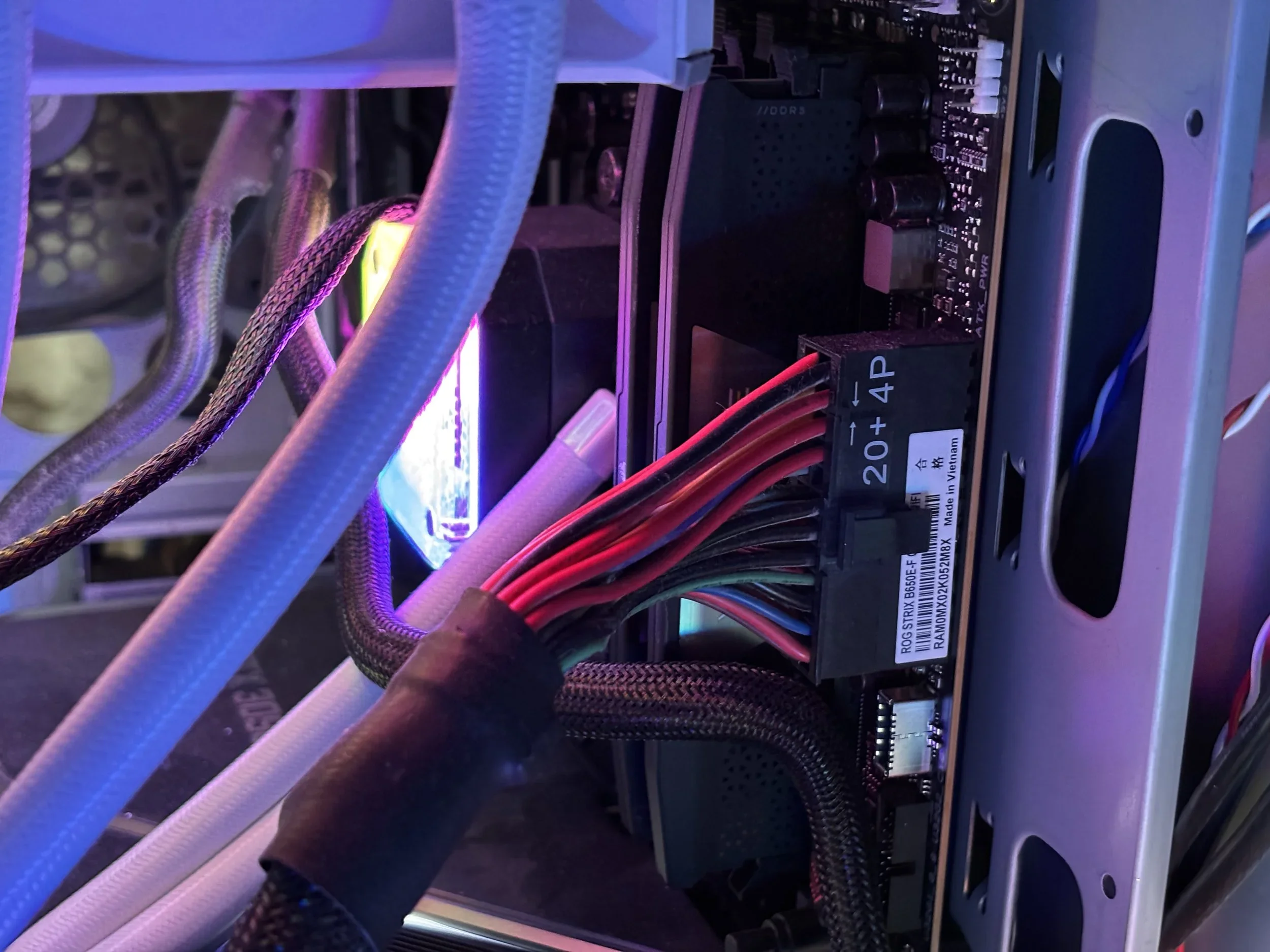
Graphics cards, consoles, phones, memory and storage all cost more than they did a year ago. I review hardware for a living, and even I'm starting to wonder whether upgrading is worth it.
A six-year-old graphics card costs about what it did new
My main PC runs an RTX 3090. The card launched in September 2020 at $1,499, and it's still a very capable GPU. But I use this machine to make a living every day, so an upgrade makes sense at some point. I started pricing an RTX 5080, and then I made the mistake of checking what my own card sells for. Used 3090s on eBay were averaging roughly $1,400-1500 or even higher from a quick check. The cheapest were closer to $1,240. Asking prices aren't sale prices, and the 3090 was a $1,500 flagship from day one. Even so, a card that's more than six years old is fetching close to its original sticker price. Hardware used to depreciate, man I miss those days.
The 5080 isn't a bargain either. Nvidia launched it at $999 in January 2025. Street prices this year have run well above that, anywhere from about $1,150 to $1,500 depending on the tracker, and ASUS and Gigabyte are reportedly raising 5080 prices again as memory costs climb. There's a wrinkle that doesn't make the math any prettier. The 5080 has 16GB of memory. My 3090 has 24GB. For video editing, I'd be paying $1,000 or more for a faster card with less VRAM. A 24GB 5080 is rumored for early 2027, which is one more reason to wait, but it’s only a maybe and I am sure the price will be insane. And since my old card is worth nearly as much as a new 5080, selling it would cover most of the upgrade. That's not a sign of a healthy market, thats a broken market. It's a sign that everything is inflated at once. I use this computer to earn money, and I'm hesitating. Someone who just wants to play games after work has even less reason to pay these prices.
What happened to technology getting cheaper?
I grew up with the opposite expectation. Within a few years, something much faster usually showed up at the same price or even cheaper. Manufacturing matured, competition kicked in, and last year's flagship became this year's mid-range part. That cycle was half the fun of the hobby. It still works in places. TVs and computer power supplies are the best example: the picture quality and screen sizes you can buy for modest money today would have looked like science fiction a decade ago.
Much of the rest of the market has gone the other way. Sony raised PS5 prices again in March, and the PS5 and Xbox Series X/S have each gone up more than once in less than a year. I own neither. Nintendo raised the Switch 2 on September 1. I also don’t own one. Apple priced the iPhone 18 Pro at $1,199, according to launch coverage. (still on my iphone 15) And memory, the component inside nearly everything, has been on a run that would have sounded absurd two years ago. We're increasingly being asked to pay more just to stay current.
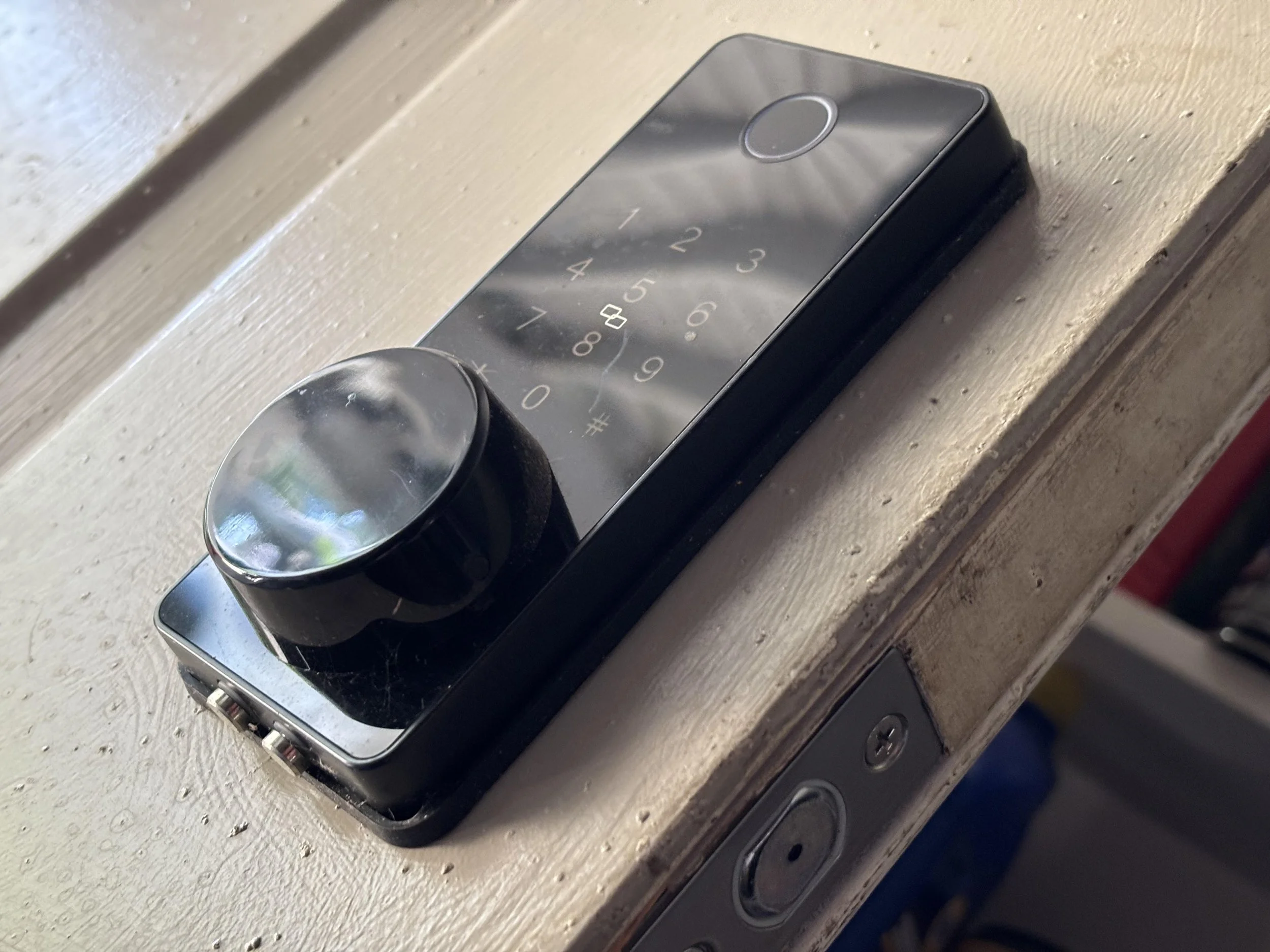
Smart locks have definitely gotten cheaper and more available.
AI is eating the supply chain
The biggest force behind this is AI infrastructure. Data centers need enormous amounts of compute, memory and storage, and the companies building them are paying for it. Consumer products compete for some of the same manufacturing capacity and components. Memory makers earn more on server DRAM and high-bandwidth memory than on the chips that go into a laptop, and they've been allocating capacity accordingly. TrendForce's contract-price forecasts show how fast it moved. In the first quarter of 2026, it projected conventional DRAM contract prices up 90 to 95 percent from the previous quarter, with PC DRAM up more than 100 percent, a record. NAND flash was forecast up 55 to 60 percent. For the second quarter, it projected another 58 to 63 percent for conventional DRAM and 70 to 75 percent for NAND.
The pace is slowing, but it's slowing from a much higher base. In its late-September outlook, TrendForce projected fourth-quarter increases of 10 to 15 percent for conventional DRAM and 15 to 20 percent for NAND flash. The firm also said higher memory costs are already weighing on notebook sales and smartphone production, and that PC makers are trimming SSD capacities in mainstream models to protect their margins. In other words, you may be paying more for a machine that ships with less storage. AI isn't the only cause. Tariffs, inflation, supply constraints and plain corporate pricing decisions all play a part, and it's too simple to blame every price tag on data centers. But the larger question stands. If manufacturers can earn more selling components into data centers, where does that leave ordinary buyers? I don't need an AI supercomputer. I need a reliable PC that handles daily work, video editing and gaming without costing a fortune every time I upgrade. I suspect millions of other people want the same thing.
Nintendo wants $500 before you buy a single game
I recently wrote about a conversation with my 11-year-old niece. She bought a Switch 2 but hasn't purchased a single game made specifically for it. Her reason is simple: the games cost too much. I agree with her. The Switch 2 launched in June 2025 at $449.99. Since September 1 it has cost $499.99, with Nintendo citing changing market conditions. Nintendo's biggest first-party releases, such as Mario Kart World, list at about $80. $80 really? For a kids game! Add three of those games and you're at roughly $740 before tax. Five games put you near $900.
I already own a Switch 1 OLED, and I love it. The Switch 2 has an LCD, not an OLED, so paying $500 to trade down on the screen I like most is a hard sell. It's not that I can't afford one. I don't see the value, and I think the industry should hear that distinction clearly: having the money doesn't mean people are willing to spend it. Nintendo may be feeling it too. The company has sold 19.86 million Switch 2 consoles in its first fiscal year, but it told investors it expects sales to fall in the current one.
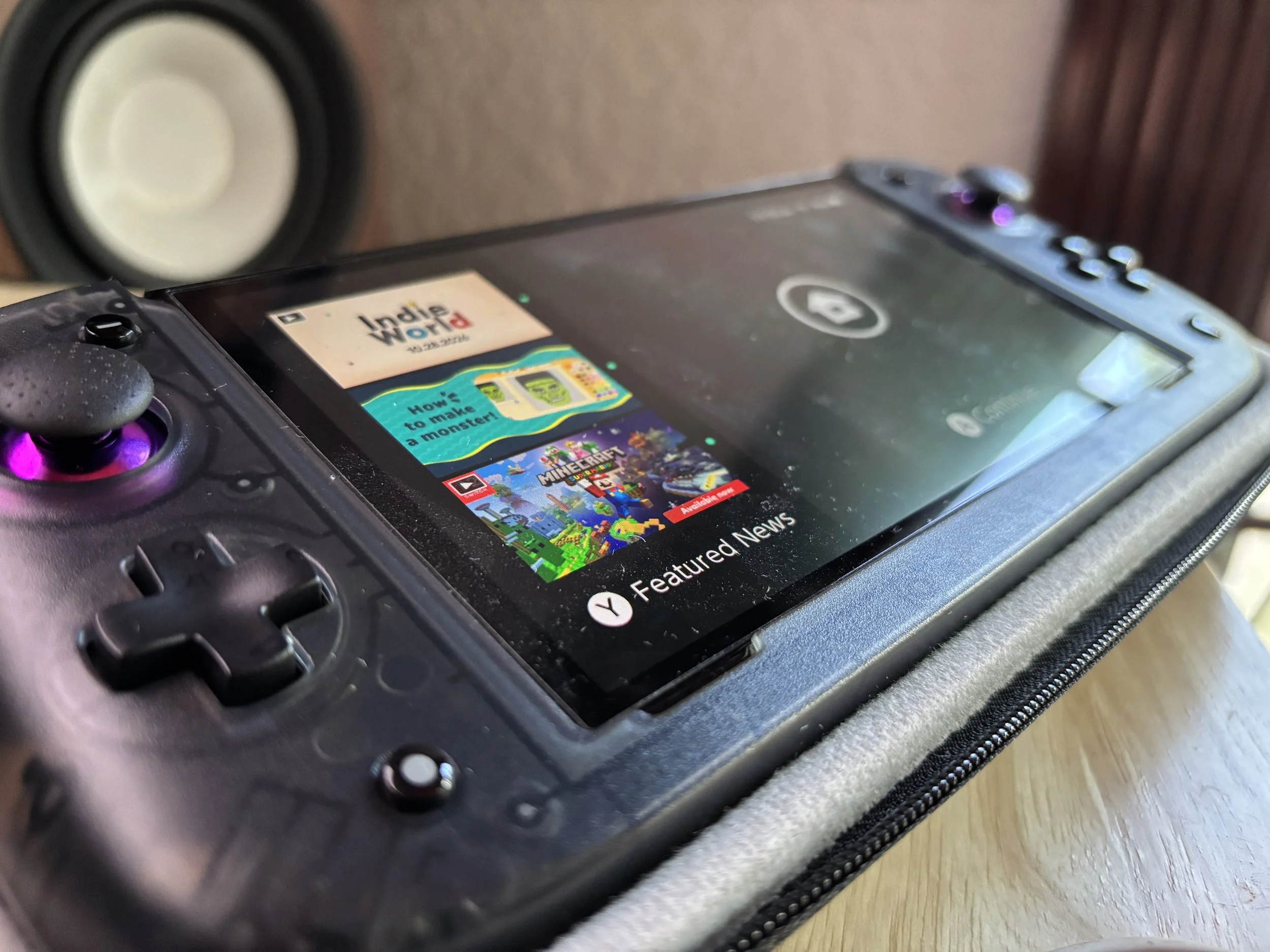
My Switch 1 OLED I bought on eBay in early 2025 with 3 games for $350, a bargain at todays prices.
My iPhone 15 works. Why spend another $1,000?
I'm carrying a standard iPhone 15, and it's great. The screen looks good, the cameras do what I need, and the performance is more than adequate. Would I enjoy a newer one? Sure. Will I pay $1,000 or more because Apple released something newer? No. Smartphones are nearly two decades old now. They're mature products, and even one that's several years old is plenty for most people. So why do we treat a $1,000 to $2,000 purchase as a routine annual expense? Then there's Apple's first foldable, the iPhone Duo. Apple unveiled it on September 9. It starts at $1,999 for 256GB and climbs to $3,199 for 2TB. Preorders opened October 16, and phones reached customers October 23. I've been watching the coverage, and I honestly don't understand the appeal for my own use. I don't need my phone to fold, and I don't need a tablet hiding in my pocket.
That doesn't make it a bad product. Demand has been real: initial stock reportedly sold out within minutes in several markets, and delivery estimates slipped into 2027. Clearly some people are thrilled. But excitement doesn't make $1,999 any less extraordinary for a phone. I'm keeping the iPhone 15.
Now the scary part: Are we about to finance everything?
When cars got too expensive to buy outright, financing took over. People stopped thinking about the sticker price and started thinking about the monthly payment. Consumer tech is already heading the same way. The Federal Reserve reported that 16 percent of US adults used buy now, pay later services in 2025, up from 10 percent in 2021. Electronics made up about a third of what those users bought. The Fed also found usage is highest among people with the thinnest savings: 31 percent of adults who could cover less than a $100 emergency from savings used BNPL, versus 8 percent of those who could cover $2,000 or more.
The iPhone Duo's launch shows how this plays out. Apple advertised 0 percent APR over 24 months through Apple Card, and leases through Apple Upgrade starting as low as $57.99 a month. A $1,500 graphics card sounds steep, but $125 a month for a year doesn't. A $2,000 phone sounds ridiculous until you spread it across 36 months and the payment drops to about $55. Financing doesn't make a product cheaper. It changes how you pay, and depending on the terms, it can raise the total cost. I'm not against it. It can make sense for a device you need for work, or for a genuinely interest-free offer. But we should be uneasy about ordinary electronics increasingly requiring a payment plan. At what point does a game console stop being a purchase and become a monthly obligation?
Or people will simply hold on to what they have
There's another possibility: consumers just stop paying higher prices and keep their existing gear longer. That's what I'm doing. My 3090, my iPhone 15 and my Switch OLED all still work, I'm not suffering without replacements, and I'm saving a lot of money. A LOT! We already see this in other spending. When restaurants get too expensive, people cook at home. When entertainment gets pricey, they get pickier. Technology isn't exempt. If a new phone costs too much, keep the old one. If a graphics card isn't worth the asking price, skip a generation. If a console costs $500 and the games cost $80 each, play what you already own.
There are early signs of it already. TrendForce says rising memory costs are hurting notebook sales and smartphone production, and IDC has described the broader smartphone market as facing its steepest decline on record. Manufacturers should be careful about assuming everyone keeps upgrading forever.
The industry has a value problem
I'm not arguing that companies should sell at a loss, that expensive products shouldn't exist, or that innovation should stop. I love this stuff. I review it professionally, and I've spent years testing everything from home theater gear and PCs to gaming handhelds and smart home products. I should be the easiest customer in the world to excite and get to spend, but I have seen myself stop and think this year more than I ever have. Because innovation and value are different things. A product can be an engineering triumph and still be a bad purchase for someone who doesn't need what it does. The iPhone Duo may be a remarkable piece of hardware, and I still don't need a $1,999 phone. The RTX 5080 may be substantially faster, and that still doesn't make it a smart buy for my workload at today's prices. The Switch 2 may be Nintendo's best console yet, and I'm still not spending $740 to get the hardware and three games.
The industry keeps telling us what's new. I'd like manufacturers to give us better reasons to spend.
How expensive can technology get?
I don't think we're headed for a sales collapse. Plenty of companies are doing fine, and premium products can still draw huge demand. But manufacturers are clearly testing how much we'll pay, and eventually some customers will push back. That could mean keeping phones for five or six years instead of two or three, skipping a generation of graphics cards, buying used, repairing what we own, or choosing cheaper alternatives. It could also mean more people financing electronics they once would have bought outright. None of that guarantees disaster for the industry, but it does mean buyers are getting sharper about what they get for their money.
That's where I am. I spend much of my life around electronics, I enjoy new products, and I have no problem paying for gear that delivers real value. Yet I'm looking at a six-year-old graphics card listed near $1,500, a $500 Nintendo console, $80 games and a $2,000 folding phone, and I keep asking who is supposed to keep paying these prices. Not me. I'll keep my RTX 3090 until an upgrade makes financial sense. I'll keep my iPhone 15 until there's a compelling reason to replace it. And I'll keep playing my Switch OLED.
Technology is supposed to improve our lives, not become another monthly bill or debt hole. If the people who love it most are starting to question whether new products are worth buying, manufacturers should pay attention. Nobody has to upgrade, and the more expensive technology gets, the easier it is to say no.