Disclosure: We may earn a commission when you purchase through links on our site. This does not influence our reviews or recommendations.
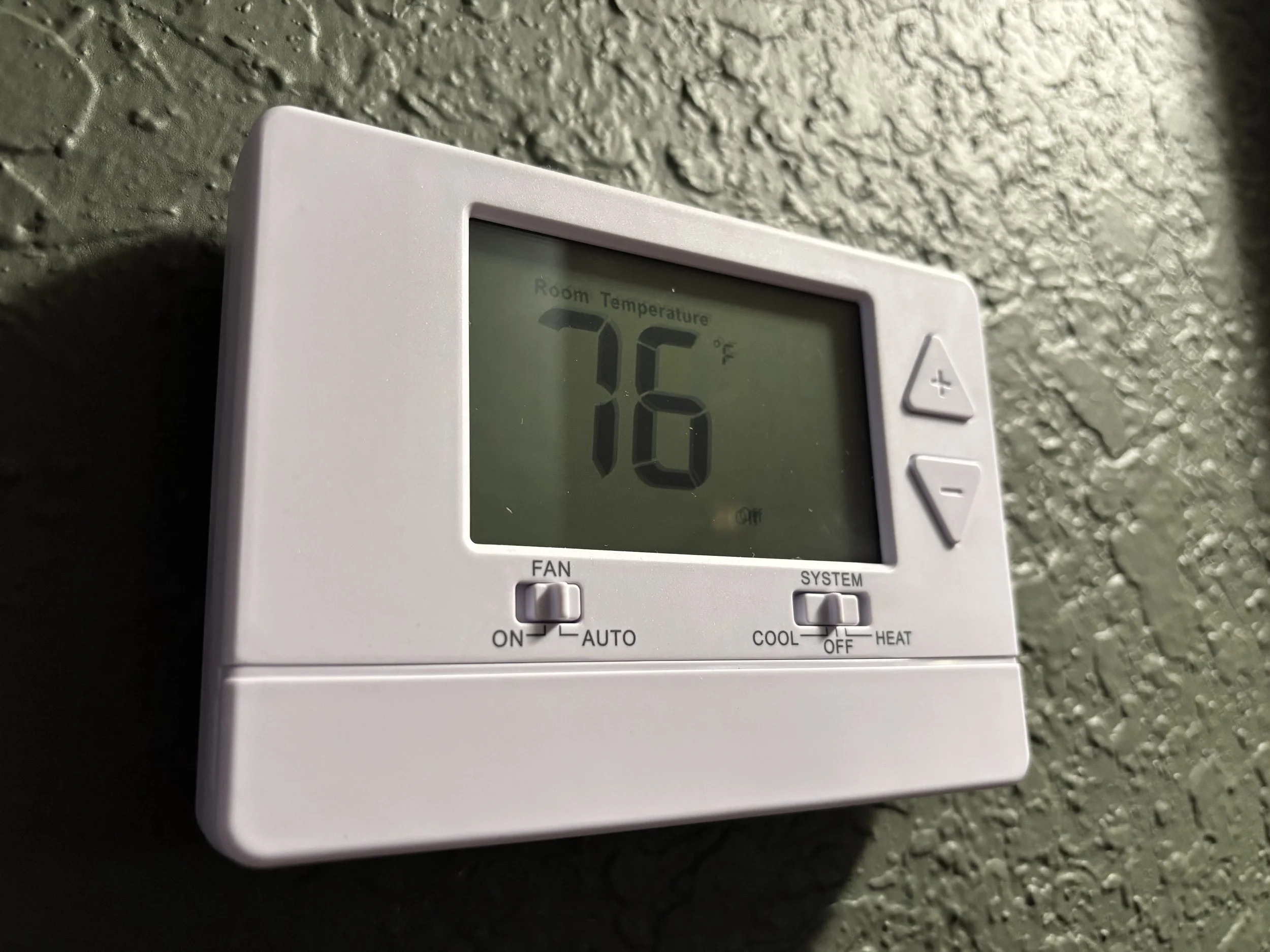
Thank you Google, I’ve come full circle on my thermostat. Dumb to smart and back to dumb.
I’ve used Nest thermostats since 2012. Today I’m back to a dumb one, and Google’s history of abandoning products is a big reason why.
My thermostat keeps my house at 74 degrees. That’s it. That’s the job. No smartphone app. No Google account. No cloud service. No wondering whether some software update is going to change how it works or whether a trillion-dollar technology company will eventually decide my thermostat isn’t worth supporting anymore. And you know what? I’m perfectly happy with it. Which is pretty funny, considering I’ve been using Nest thermostats since 2012.
I was an early believer in smart thermostats. I thought Nest was one of the most interesting developments in home technology at the time. I purchased my own in 2015, and for years I enjoyed having something considerably more advanced than the basic thermostat hanging on the wall. But somewhere along the way, I stopped seeing the appeal.
Not because smart thermostats suddenly became bad products. And certainly not because I’ve lost interest in technology. I’ve spent my career working with, installing, and reviewing electronics. It’s because I’ve watched what happens when perfectly good hardware becomes dependent on a company that can change the rules whenever it wants. And Google has given me plenty of reasons to stop trusting that arrangement.
Shop Smart Home Tech on Amazon!
Shop Dumb Home Tech on Amazon, like say a basic thermostat like I have!
Nest was great. Then Google bought it.
When Nest first came along, it was genuinely impressive. The original Nest Learning Thermostat launched in 2011, and by the time I started using Nest products in 2012, the concept already made a lot of sense to me. You had an attractive thermostat with an intuitive interface, learning capabilities, remote temperature control, and a design that didn’t look like something pulled out of an electrical supply catalog. For homeowners who wanted a little more control over their HVAC systems, it was a meaningful upgrade. I liked it. A lot.
Google announced its $3.2 billion acquisition of Nest in January 2014 and completed the deal the following month. I bought my own Nest thermostat in 2015, after the acquisition. At the time, Google’s involvement didn’t bother me. If anything, I figured a company with that much money and engineering talent could take Nest to another level. Well, here we are.
The current fourth-generation Nest Learning Thermostat carries a $279.99 list price. Insane, just wow. That’s a lot of money for something whose primary responsibility is telling your air conditioner when to turn on and off. Yes, I understand that it offers learning schedules, remote sensors, energy-saving features, and more sophisticated HVAC controls. I’m not pretending it’s identical to a $30 thermostat. But here’s the question I keep coming back to: how much of that technology do I actually need? In my house, not much. I don’t need Google to help me keep the temperature at 74 degrees. And I certainly don’t need another expensive connected device in my home just because somebody figured out how to put Wi-Fi in it.
What really turned me off, though, wasn’t just the hardware price. It was watching the broader Nest ecosystem become increasingly tied to Google’s accounts, cloud services, subscription offerings, and shifting product priorities. Because when you buy into that ecosystem, you’re not just buying hardware. You’re trusting Google to keep the entire thing running. And that’s where I have a problem.
Google has a habit of killing things people paid for
Every manufacturer eventually discontinues products. I understand that better than most people. I’ve worked with enough electronics over the years to know that hardware ages, software becomes obsolete, and companies can’t support everything forever. But there’s a difference between ending support for an aging product and rendering expensive, otherwise functional equipment incapable of doing what people bought it to do. Google has done both. And some of its decisions have been pretty ridiculous.
Nest Secure: Imagine buying a security system Google eventually tells you not to use
This one is especially aggravating. Nest Secure was Google’s connected home security system. It included the Nest Guard hub and sensors, and it was designed to work through the Nest ecosystem. This wasn’t some experimental smartphone application. It was equipment people installed in their homes to help protect their property.
On April 8, 2024, Google ended support for Nest Secure. The system lost access to Google’s cloud services, internet connectivity, and the Nest app. Owners could no longer remotely monitor their systems or receive the notifications they had relied on. And here’s the part that really gets me. Google’s own support documentation says it does not recommend continuing to use Nest Secure because the system no longer receives software or security updates and may experience unpredictable performance. Seriously? You sell people a home security system, discontinue the infrastructure it depends on, and then tell them not to use it? That’s an awful ownership experience.
Google did offer eligible customers a replacement ADT system or Google Store credit, and that’s worth mentioning. At least it made an effort to help affected owners transition. But the original equipment still lost its intended functionality. If I’m installing a security system in my home, I want something I can rely on for years. I don’t want to wonder whether the manufacturer is eventually going to lose interest and leave me replacing equipment that might otherwise have been perfectly usable. That’s not a minor inconvenience. That’s a pretty good reason to question the entire ecosystem.
Shop Smart Home Tech on Amazon!
Shop Dumb Home Tech on Amazon, like say a basic thermostat like I have!
Dropcam: Expensive cameras turned into useless hardware
Nest Secure wasn’t the only casualty in April 2024. Google also ended support for Dropcam and Dropcam Pro. These were early connected security cameras that became part of Google’s ecosystem after Nest acquired Dropcam in 2014. On April 8, 2024, support ended. Not just software updates. The cameras could no longer connect to the app, stream video, or record footage.
Think about how absurd that is from an ownership perspective. You can have a camera with a perfectly functional image sensor, lens, housing, and power supply, but without the manufacturer’s cloud infrastructure, it no longer performs its intended job. Google offered eligible owners replacement cameras or discounts, depending on their circumstances. Again, credit where it’s due. But why should consumers be comfortable buying more hardware from the same ecosystem when the previous hardware was effectively retired by a corporate decision?
And that’s the bigger issue with cloud-dependent electronics. Sometimes the hardware doesn’t fail. The company just decides it’s finished.
Older Nest thermostats: Your thermostat works, but Google doesn’t want to talk to it anymore
This example hits particularly close to home. On October 25, 2025, Google ended connected support for first- and second-generation Nest Learning Thermostats. These were the original 2011 and 2012 models, along with the European second-generation version introduced in 2014. The thermostats didn’t suddenly stop controlling heating and cooling. They can still operate locally, maintain temperatures, and run schedules. But they lost app access, remote control, software updates, and connected features such as Home/Away Assist. Google also confirmed that integrations with Nest Protect would be affected, including the emergency shutoff functionality associated with those older thermostats.
Now, I’ll give Google some credit here. Supporting connected hardware from 2011 and 2012 until late 2025 is a reasonably long run. We’re talking about approximately 13 to 14 years. That’s considerably better than what many consumer electronics receive. But here’s where I disagree with the entire premise. A thermostat isn’t a smartphone. It’s a permanently installed piece of household equipment. I’ve seen basic thermostats remain in service for decades. They don’t need a new operating system, a redesigned application, or an ongoing relationship with a cloud provider.
And while Google’s older Nest thermostats still perform their basic functions, the features that made them smart thermostats have been removed. That’s the problem. The hardware didn’t necessarily wear out. Google simply stopped supporting the connected experience. For the record, I’m not claiming that the Nest thermostat I purchased in 2015 was one of the affected models. The support cutoff applies specifically to the generations Google identified. But as someone who has used Nest products since 2012, watching that happen reinforces why I’ve become so skeptical. You buy a premium connected appliance, enjoy its features for years, and eventually the manufacturer gets to decide how much of that functionality you’re allowed to keep. No thanks.
Google Stadia: Three years and your gaming platform is gone
Remember Stadia? I kinda do. Google launched its cloud gaming platform in November 2019 with the promise that consumers could enjoy demanding video games without investing in expensive gaming hardware. The idea was interesting. Google certainly had the technical resources to pursue it. And then, on January 18, 2023, Stadia shut down. Just over three years after launch.
Google refunded eligible hardware purchases and games purchased through the Stadia Store, which was absolutely the right decision. It also provided a way for many Stadia controllers to work over Bluetooth. But that doesn’t change what happened. People bought into a gaming platform, built libraries around it, invested time in games, and then had to move on because Google decided the business wasn’t working. Some game progress could be transferred elsewhere, depending on the publisher. Some couldn’t. Imagine buying into a gaming ecosystem and having the entire platform disappear after three years. And Google wants me to trust its long-term commitment to the devices installed throughout my house? That’s a hard sell.
Trust broken…again.
Google Podcasts: Not a disaster, but another example of the same behavior
Google Podcasts is a smaller example, but it’s worth mentioning. Google discontinued the standalone service in 2024 as it moved podcast listening toward YouTube Music. Users were given tools to migrate or export their subscriptions, so this wasn’t comparable to losing a functioning security camera. But it still illustrates the same underlying issue. Google launches something. People use it. Some become comfortable with it. Then Google changes direction, and everyone has to adapt. One discontinued app isn’t a major problem. A long list of discontinued products and services starts becoming a reputation. And Google has earned that reputation.
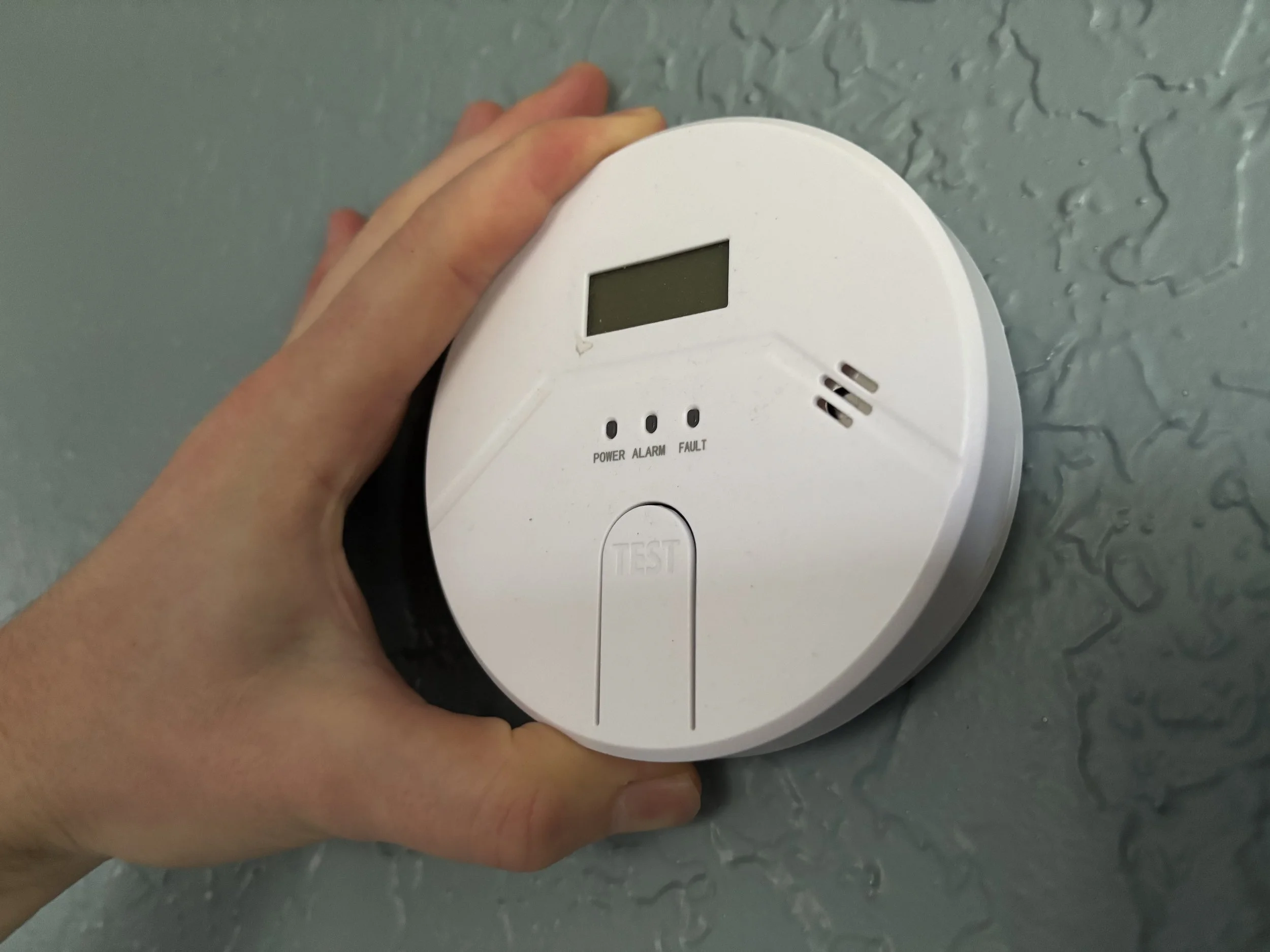
Smoke/CO detectors are already not cheap, I prefer the dumb ones!
Google’s smart-home subscription business is getting expensive
Here’s another thing that bothers me about the direction of connected-home technology. You buy the hardware. Then you pay to unlock more of what that hardware can do. Now, to be clear, a supported Nest thermostat does not require a paid subscription for basic temperature control. I don’t want anyone confusing my criticism of Google’s broader smart-home ecosystem with a claim that you have to pay Google every month just to run your air conditioner. You don’t. But look at what has happened with Nest’s camera and home-monitoring services.
In October 2025, Google introduced Google Home Premium as the replacement for Nest Aware. The Standard plan costs $10 per month or $100 annually. The Advanced plan costs $20 per month or $200 annually. Standard includes features such as 30 days of event-based video history and intelligent camera alerts. Advanced adds capabilities including longer event history, certain continuous-recording features, AI-generated descriptions, and searchable video history on compatible devices. Google has also incorporated Gemini-powered functionality into the service.
Now, I’m sure some people find those features useful. But consider the economics. $100 a year is $500 over five years. $200 a year is $1,000 over five years. And that’s before you account for the cost of cameras, doorbells, displays, thermostats, or whatever else you’ve installed. That’s a substantial amount of money to spend maintaining features in a home electronics ecosystem.
I understand why cloud storage and AI processing involve ongoing costs. Companies have servers to operate, and those services aren’t free to provide. But as a consumer, I also understand that I’m the one paying those bills. And the more connected equipment you buy, the more dependent you can become on the company’s pricing and subscription decisions. To me, that’s the part people don’t think about enough when they’re buying smart-home equipment. You’re not necessarily purchasing a complete, permanent set of capabilities. You’re purchasing hardware that may depend on services whose prices, features, and availability can change. And after watching Google’s product history, that’s not an arrangement I’m particularly excited about.
Privacy: Google’s track record gives me enough reasons to be concerned
Let’s talk about privacy. People throw around accusations about Google spying on everyone, listening through microphones, and collecting every possible piece of personal information. I’m not going to claim that Google is secretly recording conversations through Nest thermostats. I don’t have evidence for that, and I don’t need to make accusations I can’t support. Because there’s already plenty of documented material worth discussing.
In November 2022, Google agreed to pay $391.5 million to settle a multistate investigation involving 40 state attorneys general over its location-tracking practices. The investigation focused on allegations that Google misled consumers about how their location information was collected and how Google’s privacy settings worked. One major concern involved the distinction between Location History and Web & App Activity. Consumers could disable Location History while other Google settings still allowed certain location information to be collected.
That’s a pretty significant distinction. If a person believes they’ve turned off location tracking, I think it’s reasonable for them to expect the company to be exceptionally clear about what information is still being collected. The settlement involved allegations and required changes to Google’s practices; it shouldn’t be confused with a court trial finding Google liable for every allegation. But the underlying controversy is serious. Location information can reveal an enormous amount about someone’s daily life. And we’re talking about a company that wants consumers to install connected cameras, microphones, speakers, displays, and other devices throughout their homes. Trust is essential when you’re dealing with that much personal information. Google has given consumers legitimate reasons to question whether that trust is deserved.
My 2 cents? I don’t want Googles eyes in my house or Google controlling anything in my house if I don’t have to.
Shop Smart Home Tech on Amazon!
Shop Dumb Home Tech on Amazon, like say a basic thermostat like I have!
Locked out of Gmail or YouTube? Good luck getting a human being.
Here’s another issue that concerns me, particularly as someone who works online. Think about how much of a person’s digital life can depend on a single Google account: Gmail, YouTube, Google Drive, Google Photos, Android devices, purchased apps and digital content, and smart-home equipment. For creators and business owners, that account can also be tied to years of work, an audience, and potentially an income stream.
Now imagine losing access. Maybe you changed phone numbers. Maybe your recovery email is no longer available. Maybe Google’s security systems flag something unusual. Whatever the reason, you’re suddenly trying to prove that you own an account you’ve used for years. Google provides automated account recovery tools, and there are legitimate security reasons for making recovery difficult. You obviously don’t want someone impersonating you and convincing a support representative to hand over your email account.
But here’s the problem. Google’s own account recovery documentation explicitly states that users cannot call Google for help signing into a personal account. That means recovery can depend heavily on automated verification and the recovery information you previously configured. If you can’t satisfy those checks, you may be unable to regain access. And for someone whose email, files, photos, purchases, or YouTube channel are tied to that account, the consequences can be enormous. There are different support arrangements for some paid business services and other account types, so I’m not claiming every Google customer has exactly the same support options. But for ordinary personal accounts, the limitations are real.
And frankly, I think it’s reasonable to expect better support from a company whose products and services are so deeply embedded in people’s lives. Google wants to be the center of your digital world. But when something goes seriously wrong, that doesn’t necessarily mean you’ll be able to speak to a person who can fix it. That’s a pretty uncomfortable arrangement.
As someone who installs technology, this is what really bothers me
I’ve spent years installing, testing, and reviewing electronics: home theater equipment, projectors, audio systems, networking hardware, and plenty of other technology. And one thing I’ve learned is that complicated doesn’t automatically mean better. I’ve seen expensive systems become frustrating because one component doesn’t communicate properly, a software update changes something, or a manufacturer makes a decision that creates problems for equipment already installed. That’s especially aggravating when the hardware itself is perfectly fine.
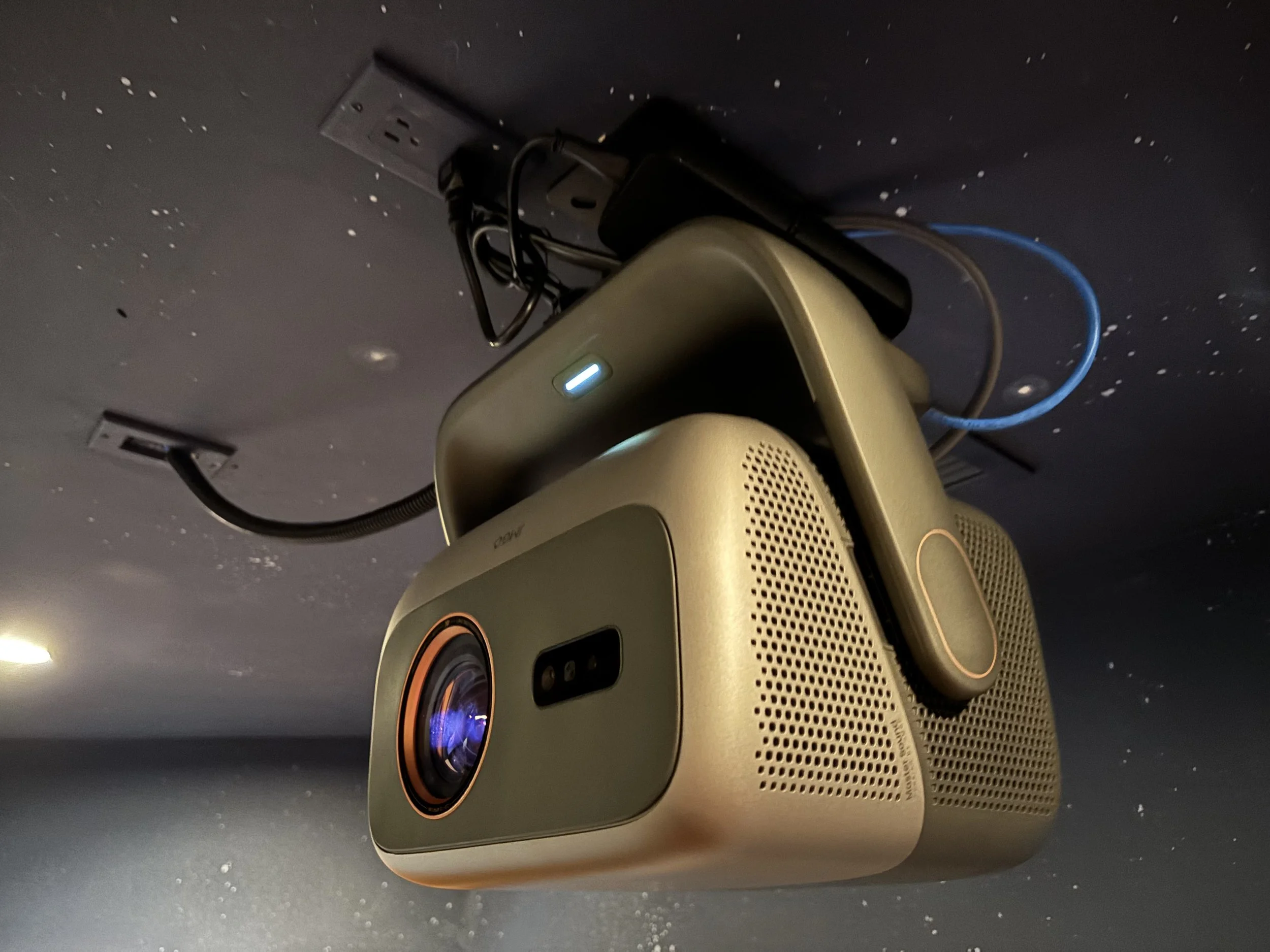
Yup, this JMGO Iris Ultra projector has Google OS built in.
I appreciate smart technology when it genuinely improves the experience. Remote access can be useful. Automation can be useful. Smart thermostats can help some households manage comfort and energy consumption more effectively. I’m not denying any of that. But every additional dependency creates another potential problem: an internet connection, a manufacturer account, a cloud service, a subscription, a proprietary app, an authentication system, a server that the manufacturer has to keep operating. And when enough of those dependencies pile up, you’re no longer simply relying on the device you purchased. You’re relying on an entire ecosystem remaining functional.
That’s why I increasingly prefer products that can operate independently. If a device can perform its core function without calling home to the manufacturer, that’s a major advantage in my book. If it needs a company’s servers just to remain useful, I start asking questions. Especially when that company is Google.
Before buying smart-home equipment, ask yourself these questions
I think consumers should be much more skeptical before spending hundreds or thousands of dollars on connected-home products. Before installing another piece of smart-home equipment, here’s what I’d want to know. Will it still work without the internet? Not just turn on, but actually perform its intended job. What happens if the manufacturer discontinues the cloud service? Can the hardware still function locally, or does it become useless? Which features require a subscription, and how much will those subscriptions cost over five or ten years? Does it require a manufacturer account, and what happens if you lose access? Can it integrate with other systems, or are you locked into one company’s proprietary ecosystem? And am I actually getting something useful, or am I paying extra for features I’ll stop caring about after the first month?
If the answers aren’t convincing, there’s absolutely nothing wrong with buying the simpler alternative. Sometimes the dumb version is the smarter purchase.
I’m back to a dumb thermostat. And I’m not going back anytime soon.
So here I am. I started using Nest thermostats in 2012. I purchased my own in 2015. I genuinely liked the technology and thought it represented the future of home comfort. Now I’m back to a conventional thermostat. And I don’t miss the smart features enough to justify going back.
My thermostat keeps my house at 74 degrees. I don’t need to open an app to check on it. I don’t need Google to maintain a server for it. I don’t need to worry about whether the next generation of hardware will make mine obsolete. And I don’t need to spend nearly $300 on a new thermostat simply because the latest model has more sophisticated software.
Does that mean everyone should throw away their Nest thermostats? Of course not. If you already own one and you’re happy with it, keep using it. If remote control, automation, or energy-management features genuinely benefit your household, there are perfectly reasonable arguments for owning a smart thermostat. But for me, the calculation has changed. After years of using connected technology, I’ve become a lot more interested in whether something will still work ten years from now than whether it has an impressive feature list today. And Google’s history has made me skeptical of trusting it with household equipment that should last.
Final thoughts: Google has a trust problem, and it earned it
Google makes some excellent technology. I use Google services. Millions of people rely on its products every day, often for very good reasons. But that doesn’t mean I have to trust the company with every aspect of my home. Nest Secure lost the services that made it useful. Dropcam owners lost functioning cameras. Early Nest thermostats lost the connected features that helped justify their premium prices. Stadia disappeared after just over three years. Google Podcasts was discontinued. And beyond product shutdowns, Google has faced major privacy controversies while building an ecosystem that increasingly depends on accounts, cloud services, and subscriptions.
Individually, Google can explain many of these decisions. Old hardware becomes difficult to maintain. Services don’t attract enough customers. Companies have to make business decisions. I get all of that. But here’s what Google seems to forget. Consumers have to make business decisions, too. And my decision is that I’m increasingly unwilling to spend good money on hardware whose long-term usefulness depends on Google continuing to care about it. That’s not an anti-technology position. It’s a pro-consumer position. I want products that last. I want equipment that works. And I want to know that something I install in my house today won’t become a problem five years from now because a company changed its mind.
My thermostat doesn’t have Wi-Fi. It doesn’t have Gemini. It doesn’t have a subscription plan. And it doesn’t need Google’s permission to keep my house at 74 degrees. That’s the smartest feature it has.
Shop Smart Home Tech on Amazon!
Shop Dumb Home Tech on Amazon, like say a basic thermostat like I have!