
Disclosure: We may earn a commission when you purchase through links on our site. This does not influence our reviews or recommendations.
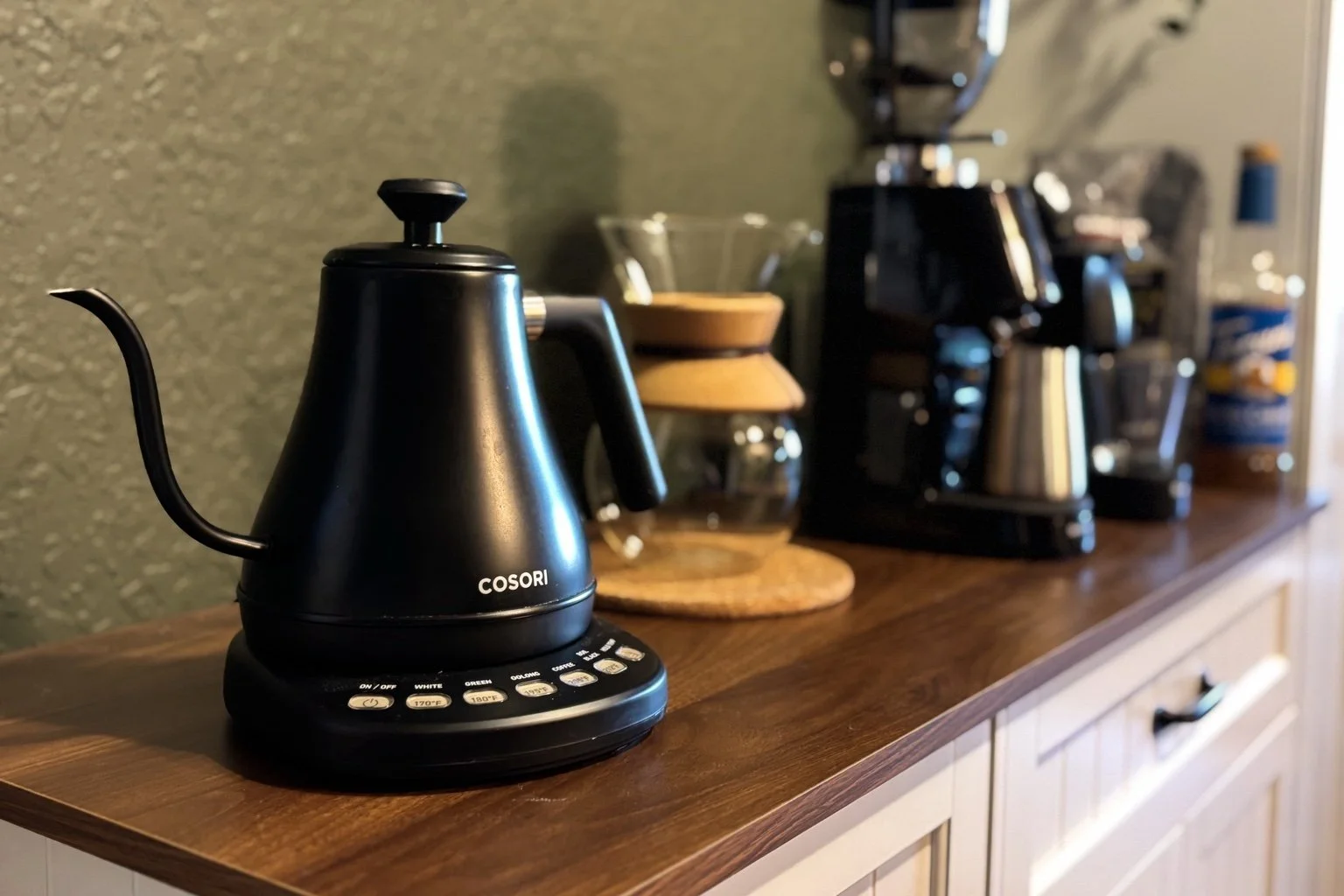
Miranda’s coffee station as of 10/22/2026
Making a good cup of coffee shouldn't require an expensive machine or a countertop full of gadgets. But with so many brewing methods, grinders, kettles, frothers, and accessories to choose from, putting together a simple coffee station can quickly become more complicated than it needs to be. If you're looking for a solid cup of coffee without getting too caught up in the finer details of brewing, this guide is for you. We'll look at the gadgets worth making room for, what you should expect to spend, and which extras you can probably skip. The goal isn't to build the ultimate coffee setup, but a practical one that makes coffee you'll actually enjoy drinking.
1. Start With a Good Coffee Maker
Before buying anything else, you'll need to decide how you want to brew your coffee. There are plenty of methods to choose from, including French press, pour-over, espresso, and traditional drip brewing. Each has its advantages, but there's no need to explore every method just to make a better cup at home. For the sake of keeping things simple, we're focusing on two beginner-friendly options: an automatic drip coffee maker and an electric kettle paired with a pour-over dripper.
Automatic Drip Coffee Maker: For Everyday Convenience
There's a reason traditional drip coffee makers remain a staple in so many kitchens. They're straightforward, convenient, and capable of making several cups at once with relatively little effort. For someone upgrading from a cheap, aging coffee pot, a better drip machine is a sensible place to start. You don't necessarily need to spend hundreds of dollars, either. A budget of around $50–$120 is a reasonable starting point. Rather than paying extra for touchscreens, Wi-Fi connectivity, or a dozen brewing modes, look for a machine that maintains an appropriate brewing temperature and distributes water evenly over the coffee grounds. These factors influence extraction and can make a more meaningful difference than additional programmable settings.
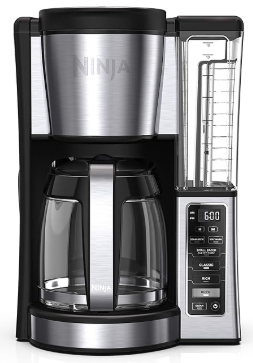
A good option to consider is the Ninja CE251 12-Cup Programmable Coffee Maker, which offers Classic and Rich brew settings, a programmable delay feature, and a small-batch function for brewing two to four cups. Its removable water reservoir also makes refilling more convenient. It's a practical choice for someone who wants a little more flexibility without venturing into expensive specialty brewers.
If you're willing to spend more, the Specialty Coffee Association (SCA) maintains a list of independently tested home brewers that meet standards for brewing quality and consistency. Certification isn't essential, but it's a useful reference when comparing higher-end machines.
Electric Gooseneck Kettle: For Simple Pour-Over Coffee
If you enjoy having a little more control over the brewing process, pour-over coffee is worth exploring. Instead of letting a machine handle everything, you gradually pour hot water over ground coffee held in a filter-lined dripper. It requires a little more attention than pressing a button, but the equipment itself can be surprisingly inexpensive. An electric gooseneck kettle is especially helpful because its narrow spout lets you control where and how quickly water flows. This makes it easier to saturate the grounds evenly and manage the brewing process. For a beginner, $35–$75 is a sensible budget to explore. You'll also need a basic dripper and compatible filters, but neither needs to be expensive.
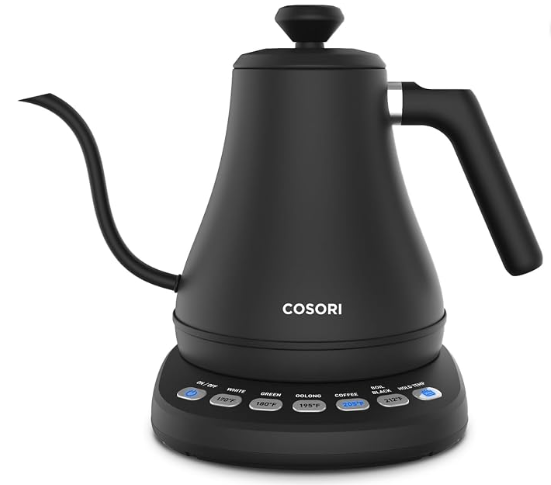
The COSORI Original Electric Gooseneck Kettle is worth considering at this price point. I’ve owned this kettle for four or five years now, and even with near-daily use, it’s still going strong. Its 0.8-liter capacity is well suited to making one or two cups, with five temperature presets, including a 205°F coffee setting, and a 60-minute keep-warm function. While these features are convenient, you don't need elaborate brewing profiles or smartphone connectivity to make good pour-over coffee. Reliable heating and a comfortable, controlled pour matter more.
So, which brewing method should you choose? An automatic drip machine is better for convenience and larger batches, while pour-over offers a more hands-on experience. There's no reason to invest in both unless you genuinely enjoy switching between methods. I personally love the process of making pour-over, but if you have several coffee drinkers in your household or you're usually in a rush in the morning, it might not be ideal.
2. An Electric Burr Grinder: Don't Overlook the Grinder
If there's only one piece of equipment worth paying a little more attention to, it's the coffee grinder. Grinding whole beans shortly before brewing gives you more control over freshness and grind size, both of which can influence the final cup. But not all grinders work the same way.
Inexpensive blade grinders use spinning blades to chop coffee beans, often producing a mix of fine and coarse particles. Burr grinders, on the other hand, crush beans between two grinding surfaces, producing a more consistent grind that helps water extract flavor more evenly. That doesn't mean you need a professional-grade grinder. For everyday drip or pour-over coffee, an electric burr grinder in the $60–$130 range is reasonable.
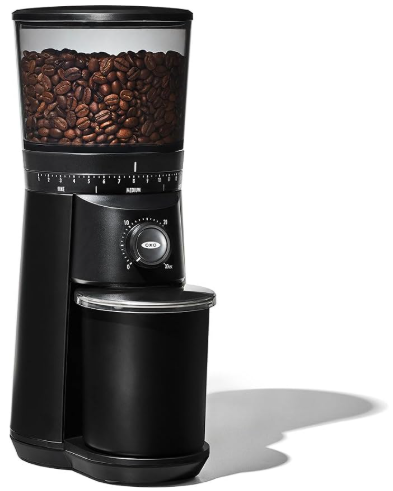
One option to consider is the OXO Brew Conical Burr Coffee Grinder. It features stainless steel conical burrs, 15 main grind settings with additional micro-adjustments, and a one-touch timer that remembers your previous setting. Its adjustable grind range makes it suitable for different brewing methods, including drip and pour-over. The OXO isn't the cheapest electric grinder available, but its straightforward controls and useful range of adjustments make it a sensible candidate for someone who wants consistent results without overly complicated equipment.
And while a burr grinder isn't absolutely necessary to make tasty coffee, it's probably the first upgrade I'd recommend if you're looking to improve your coffee at home, especially if your preferred brewing method is more sensitive to grind size, like pour-over.
3. An Electric Milk Frother: A Little Coffee Shop Convenience
Not everyone drinks their coffee black. If you're used to ordering lattes, cappuccinos, or other milk-based drinks, an inexpensive frother can make your home coffee station feel a little more versatile. Fortunately, you don't need an expensive espresso machine or professional steam wand to enjoy some foam on your coffee. Handheld electric frothers are typically the most affordable option, with many costing around $10–$20. These small battery-powered whisks aerate milk in seconds and can also be useful for mixing powdered drink ingredients.
The Zulay Kitchen Milk Boss Frother is a straightforward, inexpensive option. Its stainless steel whisk and one-touch operation make it easy to use, with minimal cleanup. For more convenience, automatic countertop frothers generally cost around $30–$80 and can heat and froth milk in the same container. Just keep in mind that handheld models won't heat your milk, and neither style quite replicates the silky microfoam from an espresso machine's steam wand. A traditional latte also requires espresso, so adding frothed milk to drip or pour-over coffee won't exactly produce the same drink, but I'd argue it's still fancier than pouring in plain milk.
Buy the Zulay Kitchen Milk Boss Frother on Amazon!
So, is a frother essential? Not at all. But if you enjoy milk-based coffee drinks and want to cut back on coffee shop visits, it's a nice little addition to your setup.
Disclosure: We may earn a commission when you purchase through links on our site. This does not influence our reviews or recommendations.
4. A Digital Coffee Scale: Better Consistency Without the Guesswork
A digital scale might not seem like the most exciting addition to a coffee station, but it's surprisingly useful for getting consistent results. One of the easiest mistakes to make when brewing coffee is using too much or too little ground coffee. Measuring with a scoop can work, but the amount it holds can vary depending on the grind size and how it's filled. A scale takes much of that guesswork out of the equation.
For example, a coffee-to-water ratio of around 1:16, or 15 grams of coffee to 240 grams of water, is a practical starting point for many drip and pour-over methods. From there, you can adjust the strength according to your taste. You don't need an expensive, coffee-specific scale to accomplish this. A basic digital kitchen scale that measures in one-gram increments can work for everyday drip brewing.
However, if you're interested in pour-over, the Greater Goods Coffee Scale with Timer is a decent option. It measures in 0.1-gram increments and includes a built-in timer, making it convenient to track both the amount of water you're pouring and how long you've been brewing. Its removable silicone cover also helps protect the weighing platform from heat and spills. Expect to spend around $20–$35 for a practical coffee scale with these features. More expensive smart scales may offer flow-rate tracking, Bluetooth connectivity, and detailed brewing analytics, but those extras aren't necessary for most beginners.
Buy the Greater Goods Coffee Scale on Amazon!
And if you already own a dependable kitchen scale, there's a good chance you don't need another one.
5. What About Coffee Storage?
It's easy to get carried away with specialized coffee containers, especially when browsing accessories marketed toward coffee enthusiasts. Some include vacuum pumps, one-way valves, or other features designed to limit the beans' exposure to air. While proper storage matters, a specialized container isn't a necessity.
For most people, an opaque, airtight container stored somewhere cool and dry is a practical solution. Keeping coffee away from heat, moisture, light, and excessive air exposure is more important than having an expensive container on display. If your coffee already comes in a resealable, opaque bag, that may be perfectly fine, particularly if you use the beans relatively quickly. Rather than immediately investing in a premium storage system, I'd put that money toward better coffee beans or a more capable grinder.
Coffee Gadgets You Can Probably Skip
Once you start shopping for coffee equipment, it's easy to find accessories promising better flavor, greater precision, or a more professional brewing experience. Some genuinely serve a purpose, but that doesn't mean every coffee drinker needs them.
Smart coffee makers offer remote operation and customizable settings, but a basic programmable machine may be all you need. Premium electric kettles have advanced temperature controls and brewing profiles, though consistent heating and a controlled pour matter more for everyday use. Expensive smart scales can track detailed brewing information, but most casual coffee drinkers won't need that level of precision. And while automatic milk frothers are convenient, a simple handheld model is often enough for occasional use.
There's nothing wrong with buying any of these gadgets. It really just comes down to whether those extra features will make much of a difference to you and your everyday routine.
How Much Should You Spend on a Basic Coffee Station?
Building a good coffee station doesn't mean you have to purchase everything at once. If you're someone who prioritizes convenience, a decent drip coffee maker and good-quality ground coffee are enough to get started. Add a burr grinder when you're ready to experiment with whole beans, and consider a frother if you enjoy milk-based drinks. If you prefer pour-over, you can put together a setup with an electric gooseneck kettle, an inexpensive dripper, filters, and a basic scale (although the scale isn't strictly necessary).
As a general guideline, around $75–$150 can cover a simple setup, depending on your brewing method and what you already own. Spending approximately $150–$300 gives you more room for a capable electric burr grinder and additional conveniences. Beyond that, you may be paying for better performance, more specialized features, build quality, or design. Some improvements are worthwhile, but they're not prerequisites for enjoying coffee at home.
Also important: the coffee itself matters. Fresh, good-quality beans that suit your taste can make a bigger difference than adding another gadget to your countertop.
Final Thoughts: Keep It Simple
A good home coffee station should make preparing coffee more enjoyable, not turn it into another complicated chore. Start with a brewing method that suits your routine, spend where it makes a meaningful difference, and add other gadgets as you discover what you actually enjoy using. You might find that a better grinder changes your morning coffee more than an expensive machine, or that a $15 milk frother is all you need to make your usual coffee shop order a little less tempting.
You don't need to become a coffee expert to make a satisfying cup at home. And you certainly don't need every gadget on the market to get there.
