Disclosure: We may earn a commission when you purchase through links on our site. This does not influence our reviews or recommendations.
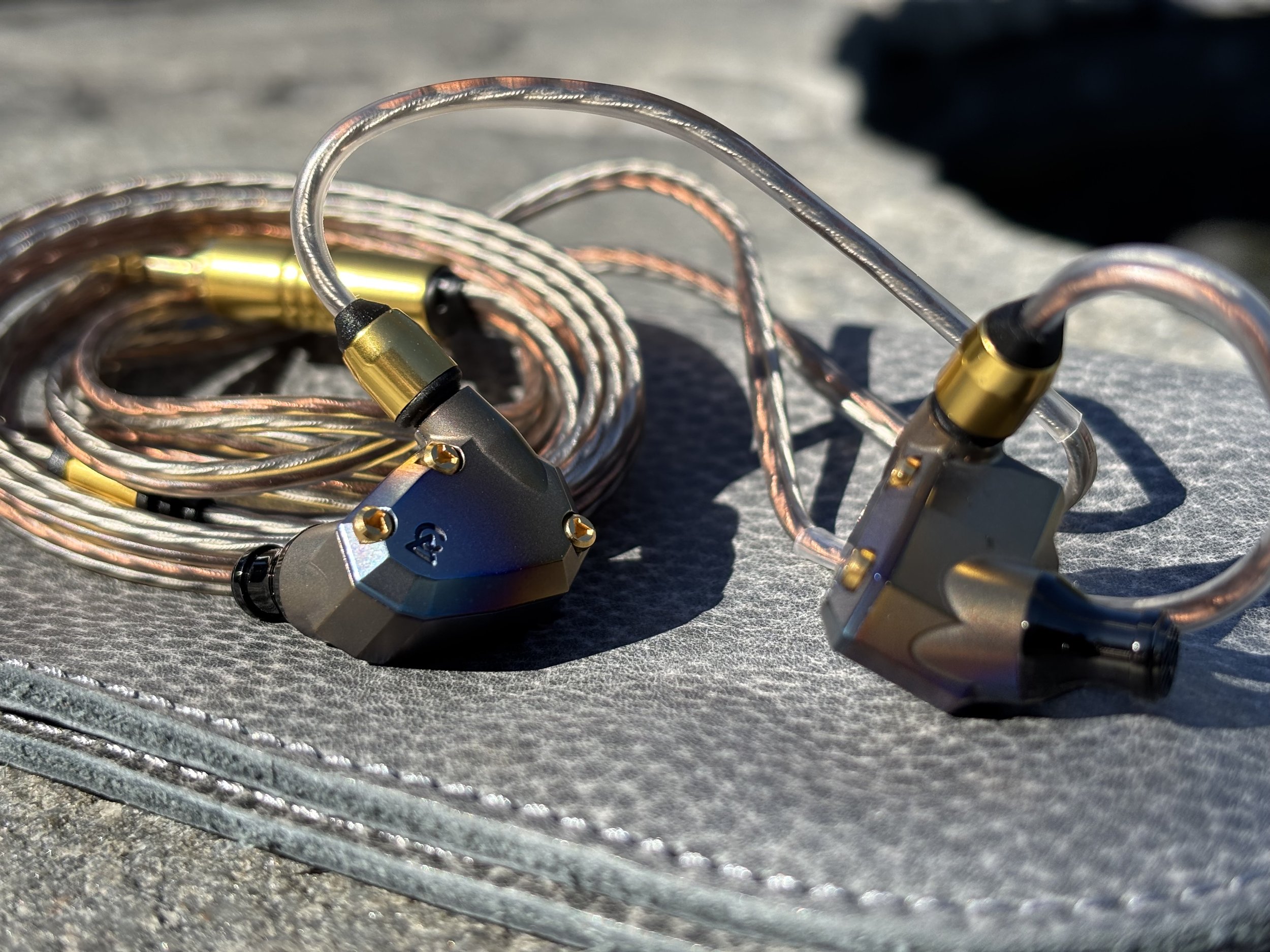
With just 888 units produced and a price of around $899, the Campfire Audio Moon Rover delivers some seriously impressive detail. But after reviewing several Campfire Audio products over the years, I've come to appreciate that the company offers something beyond just sound quality. I've reviewed quite a few IEMs over the years, including several from Campfire Audio for different publications, and I've always been impressed with what the company can do. The Moon Rover is another interesting addition to its lineup, especially considering its limited production run of just 888 units.
At the time of writing, these are selling for around $899, so we're definitely getting into some expensive territory here. But as I've learned from reviewing everything from budget IEMs to some pretty wild high-end models, price alone doesn't tell you whether something is going to sound good to your ears. IEMs are very much a personal preference. Some people want huge bass, others want something warm and relaxed, and then there are listeners who want to hear every little detail in their music. The Moon Rover is particularly good at that last one, and after spending some time with these, I can see why someone would want a pair.
But there's another part of the Campfire Audio experience that I think deserves more attention. Having reviewed the company's Solaris Stellar Horizon back in September 2023, I've noticed something pretty interesting about how Campfire Audio approaches its products. It's not just the sound that changes from one model to another. The designs, packaging, accessories, and entire unboxing experience can be completely different. And honestly, that's something I really appreciate about the brand.
Shop Campfire Audio on Amazon!
The Moon Rover Looks Pretty Cool, Especially in Sunlight
One of the first things that caught my attention was the finish on these. Looking at the box and Campfire Audio's product photography, the Moon Rover has this really cool burnt-metal appearance, almost like titanium that's been exposed to some serious heat. You get these rainbow-like colors mixed into the darker metal, and it looks pretty wild. Now, here's something I noticed when I actually got them out of the box. In most normal lighting, they're considerably more subdued than the pictures suggest. They look more like a dark gray or gunmetal finish, which isn't necessarily a bad thing, just a little different from what I was expecting. When I took them outside to photograph them in full sunlight, though, those colors really started showing up. You can see the burnt-metal effect much better, and that's when the finish looks especially impressive.
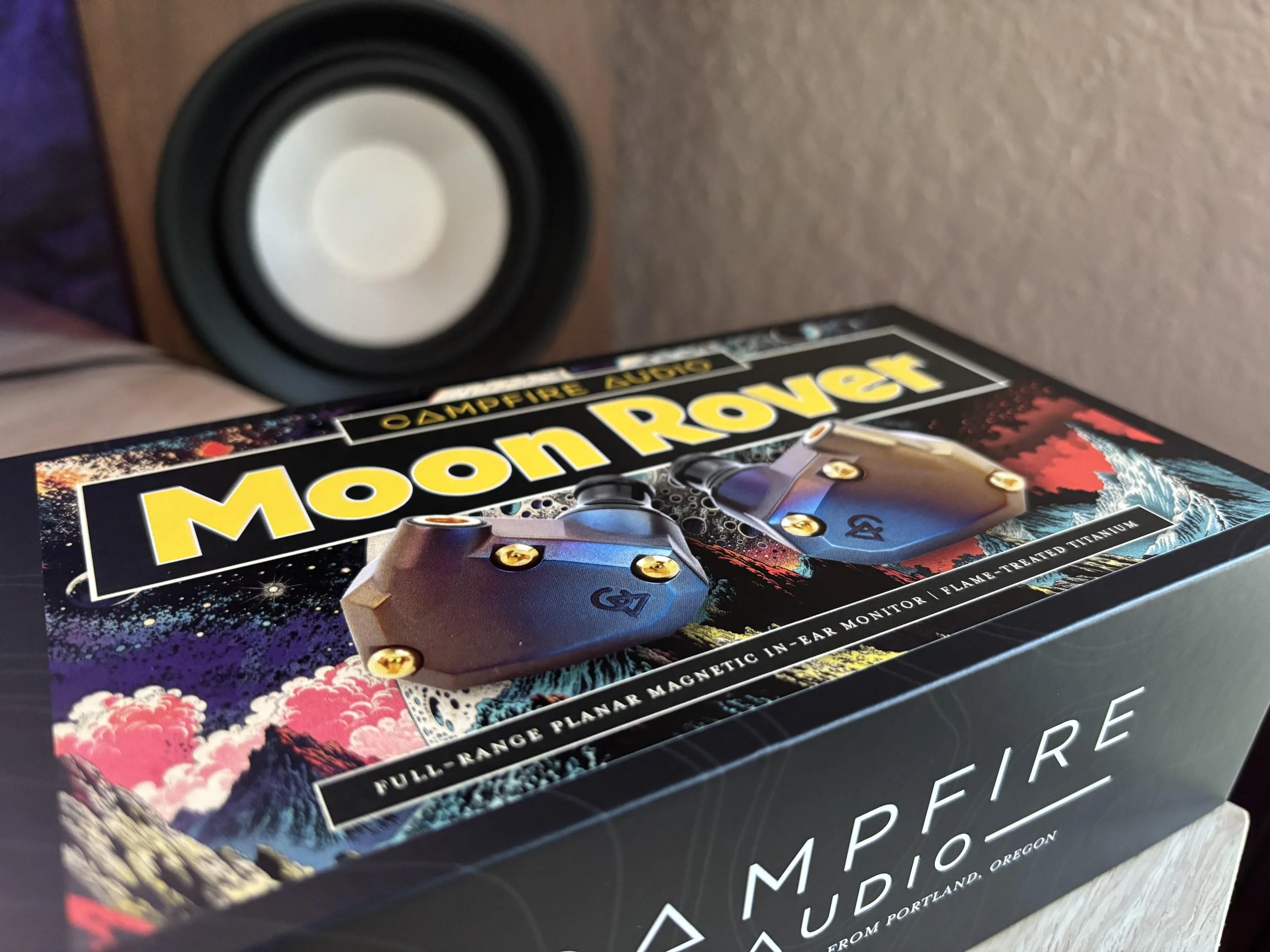
I've seen some pretty crazy IEM designs over the years, with wild colors, gemstones, elaborate faceplates, and all sorts of unusual finishes. Compared with some of those, the Moon Rover is actually a little more understated, at least until you get it under the right lighting. Personally, I like the design. It's different without being ridiculous, and there's something pretty cool about having a finish that changes appearance depending on the lighting.
Shop Campfire Audio on Amazon!
Sound Quality: These Things Are Seriously Detailed
Now let's get into the sound, because this is where the Moon Rover really impressed me. If there's one thing I'd point to as the biggest strength of these IEMs, it's the amount of detail they deliver, particularly in the higher frequencies. Guitars, higher-pitched vocals, cymbals, and percussion all come through with excellent clarity, and there's a lot to appreciate when listening to music that takes advantage of that presentation.
One of the first songs I really enjoyed listening to with these was Welcome Home by Coheed and Cambria. If you're familiar with the song, you know there's a lot going on, especially with the guitar work and Claudio Sanchez's higher-pitched vocals.
Through the Moon Rover, that song sounds incredible. The guitars have a ton of detail, the vocals sound exceptionally clean, and the percussion comes through with a really nice sense of definition. What I particularly appreciate is that the higher frequencies don't become overly sharp or harsh. You get all that detail without feeling like the IEMs are trying to drill into your ears.
That's something I've noticed with certain headphones and IEMs over the years. Some products can sound incredibly detailed at first, but after a while, the treble becomes a little too aggressive, especially with higher-pitched vocals or guitar-heavy music.
I didn't find that to be the case with the Moon Rover during my listening. The upper frequencies are certainly a highlight, but they remain enjoyable rather than becoming tiring. And that's really what makes these IEMs so impressive to me. They're not just throwing a bunch of treble at you and calling it detail. There's a sense of cleanliness and separation that makes it easy to appreciate the different elements of a recording. If you're someone who enjoys sitting down and actually listening to the smaller details in your favorite music, I think you'll find a lot to like here.
Revisiting Campfire Audio's Solaris Stellar Horizon
Back in September 2023, I reviewed the Campfire Audio Solaris Stellar Horizon, and that was another pretty incredible experience. Those IEMs sounded absolutely wild, but one of the things I remember most wasn't even the sound. It was opening the box. I actually made a YouTube Short of the unboxing because it was such an unusual presentation. The Solaris Stellar Horizon came with this really cool wooden box, and inside was a little hand-shaped display that could hold the IEMs. It was almost like a miniature piece of artwork. Instead of simply pulling a pair of earphones out of some foam packaging, you were opening something that felt like it had been designed to be displayed.
It was a whole experience, and honestly, a little performative in the best possible way. That's one thing I've really come to appreciate about Campfire Audio. The company doesn't seem content with simply changing the specifications, tweaking the sound, and releasing another model that looks almost identical to the last one. The Solaris Stellar Horizon and Moon Rover are completely different products, and the presentation reflects that.
With the Stellar Horizon, the packaging felt almost like an art exhibit. With the Moon Rover, you get this unusual burnt-metal finish and a much more subdued presentation.
And while I do have a small complaint about the Moon Rover's carrying case, which I'll get into later, I still appreciate that Campfire Audio is willing to try different things. It reminds me of how repetitive some consumer electronics have become. Think about buying an AV receiver. You buy one this year, upgrade a few years later, and there's a good chance you're opening practically the same cardboard box, pulling out a similar-looking remote, and reading through another familiar manual. Sure, the specifications have changed, but the overall experience really hasn't. Campfire Audio is almost the opposite.
Opening one of its products can feel like an event. Between the designs, the materials, and the packaging, there's an element of entertainment that I don't see very often in consumer audio.
I almost think of Campfire Audio as an entertainment brand as much as an audio manufacturer. There's something enjoyable about discovering what the company has come up with each time.
And when you're spending hundreds or thousands of dollars on IEMs, I think that extra attention to the ownership experience is worth appreciating.
Shop Campfire Audio on Amazon!
Comparing the Moon Rover and Solaris Stellar Horizon Isn't So Simple
Now, when it comes to comparing the sound of the Moon Rover with the Solaris Stellar Horizon, things get a little more complicated. I remember the Stellar Horizon being an absolutely incredible-sounding pair of IEMs, and I had a great time reviewing them back in 2023. But I haven't listened to that particular pair in quite a while, and my listening equipment has changed since then. So I don't want to pretend I've been sitting here switching back and forth between the two, making some definitive judgment about which one sounds better.
That wouldn't be a fair comparison. And honestly, I think comparing high-end IEMs can be difficult even when you do have them sitting side by side. I've always thought of it a little like choosing ice cream. You have chocolate, vanilla, strawberry, and all sorts of different variations. You might absolutely love one flavor, while someone else prefers something completely different. Does that make one objectively better than the other? Not necessarily.
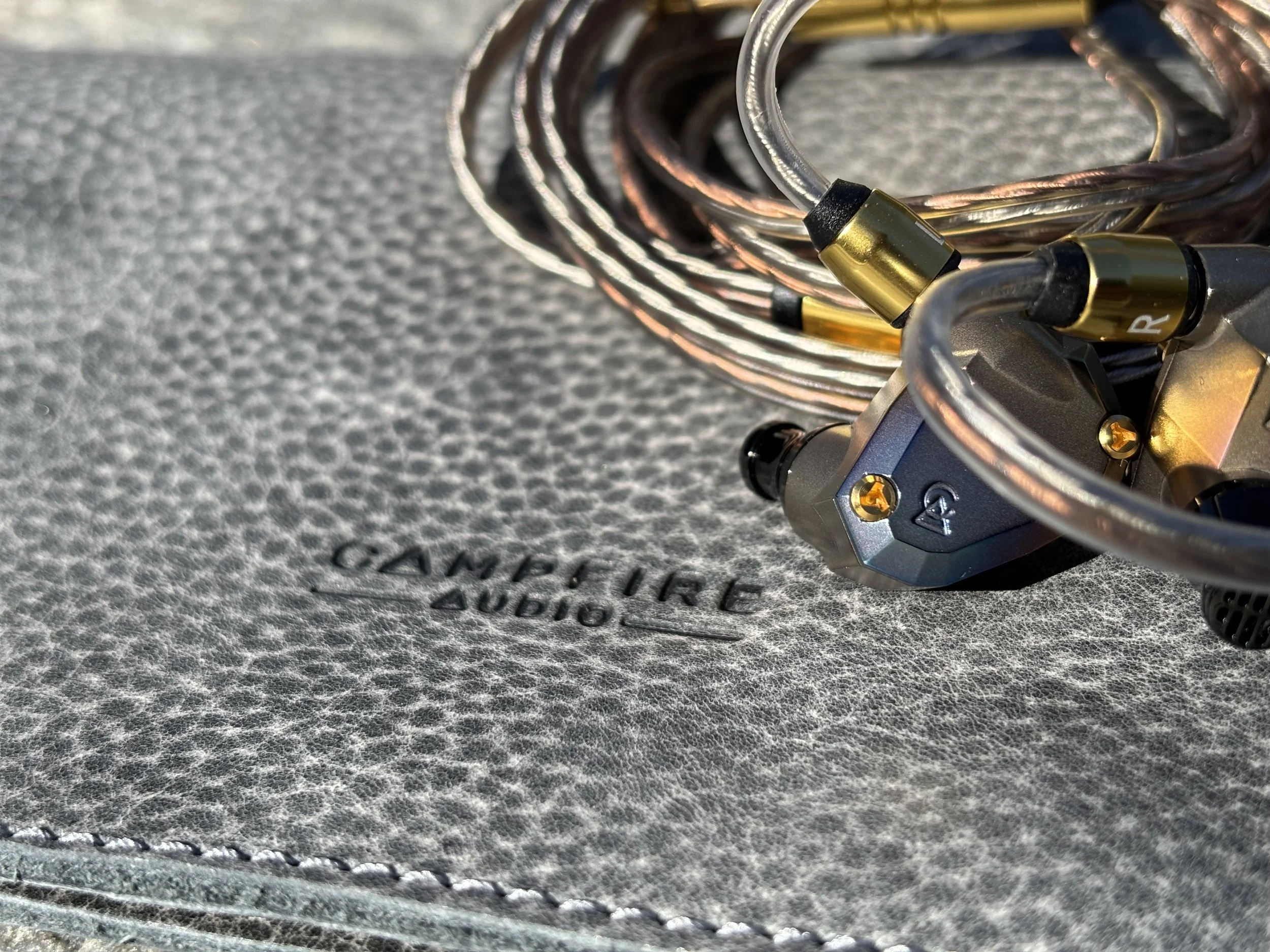
That's how I look at a lot of high-end audio equipment. Once you get into these price ranges, you're often choosing between different sound signatures and presentations rather than simply moving from something bad to something good. The Moon Rover has a particularly impressive way of presenting higher frequencies and fine details. That's what stands out to me most about this model. The Stellar Horizon was a different listening experience, and while I remember being extremely impressed with it, I wouldn't feel comfortable declaring one the winner based on listening sessions separated by several years and different equipment.
At this point, it's not even apples to apples. It's more like apples to oranges to cherries. But that's also part of what makes reviewing IEMs interesting. There are so many different ways manufacturers can approach the sound, and there's no guarantee that the most expensive model will be the one you personally enjoy the most.
Alex Clare's Too Close and How My Demo Music Has Changed
Another thing I find interesting when reviewing audio equipment is how my own demo music has changed over the years. I used to listen to Too Close by Alex Clare quite a bit when testing headphones, speakers, and IEMs. It's one of those songs I've returned to many times because I'm familiar with how it sounds across different equipment. I've also used plenty of other tracks over the years, and lately I've been enjoying songs like Welcome Home by Coheed and Cambria when testing products that really bring out guitar work and higher-pitched vocals.
Going back to Too Close with the Moon Rover was particularly enjoyable. It's interesting hearing familiar music through a different pair of IEMs and noticing how the presentation changes. The Moon Rover's detailed upper frequencies give me another perspective on a track I've heard through plenty of different products. And it reminded me of listening to that same song through previous Campfire Audio IEMs, including the Stellar Horizon.
Again, I wouldn't call this a controlled comparison. It's been several years, my equipment has changed, and audio memory isn't nearly precise enough to make detailed judgments about two products I haven't recently compared side by side.
But it's still interesting to revisit familiar music and think about how differently various IEMs can present it. That's one of the reasons I enjoy reviewing audio equipment in the first place. Even when you're listening to the same music you've heard hundreds of times, a different set of headphones or IEMs can make the experience feel fresh again. And the Moon Rover is particularly good at bringing out those smaller details that make you want to keep listening.
Shop Campfire Audio on Amazon!
Bass Is Good, but the Detail Is the Real Attraction
Now, when it comes to bass, the Moon Rover isn't what I'd consider a bass-heavy IEM. The low end is certainly there, and I wouldn't say it's missing anything outright, but it's not what immediately grabs your attention.
And personally, I don't see that as a problem. I've reviewed enough headphones, speakers, and IEMs to know that every product has its own personality. Some are designed to deliver enormous amounts of bass, others focus on warmth, and some are all about accuracy and detail. The Moon Rover really shines when you're listening for clarity, particularly with vocals, guitars, and instruments that occupy the higher frequencies.
That's why I think it's important to understand what you're looking for before spending this kind of money. Just because an IEM costs $900 doesn't mean it's automatically going to be better for your particular taste than something costing a fraction of that.
If you're someone who wants heavy bass above everything else, there are probably other IEMs worth considering. But if you're looking for something with outstanding detail and a really clean presentation, the Moon Rover makes a very strong case for itself. I also think this is why reading multiple reviews is so useful when shopping for higher-end audio equipment. Different reviewers listen to different music and prioritize different things. Getting a few perspectives can help you figure out whether a particular sound signature is actually what you're after. For my listening preferences, I found the Moon Rover particularly enjoyable with music that has prominent guitar work, higher-pitched vocals, and lots of instrumental detail.
The Packaging Is Nice, but I'd Like a Better Carrying Case
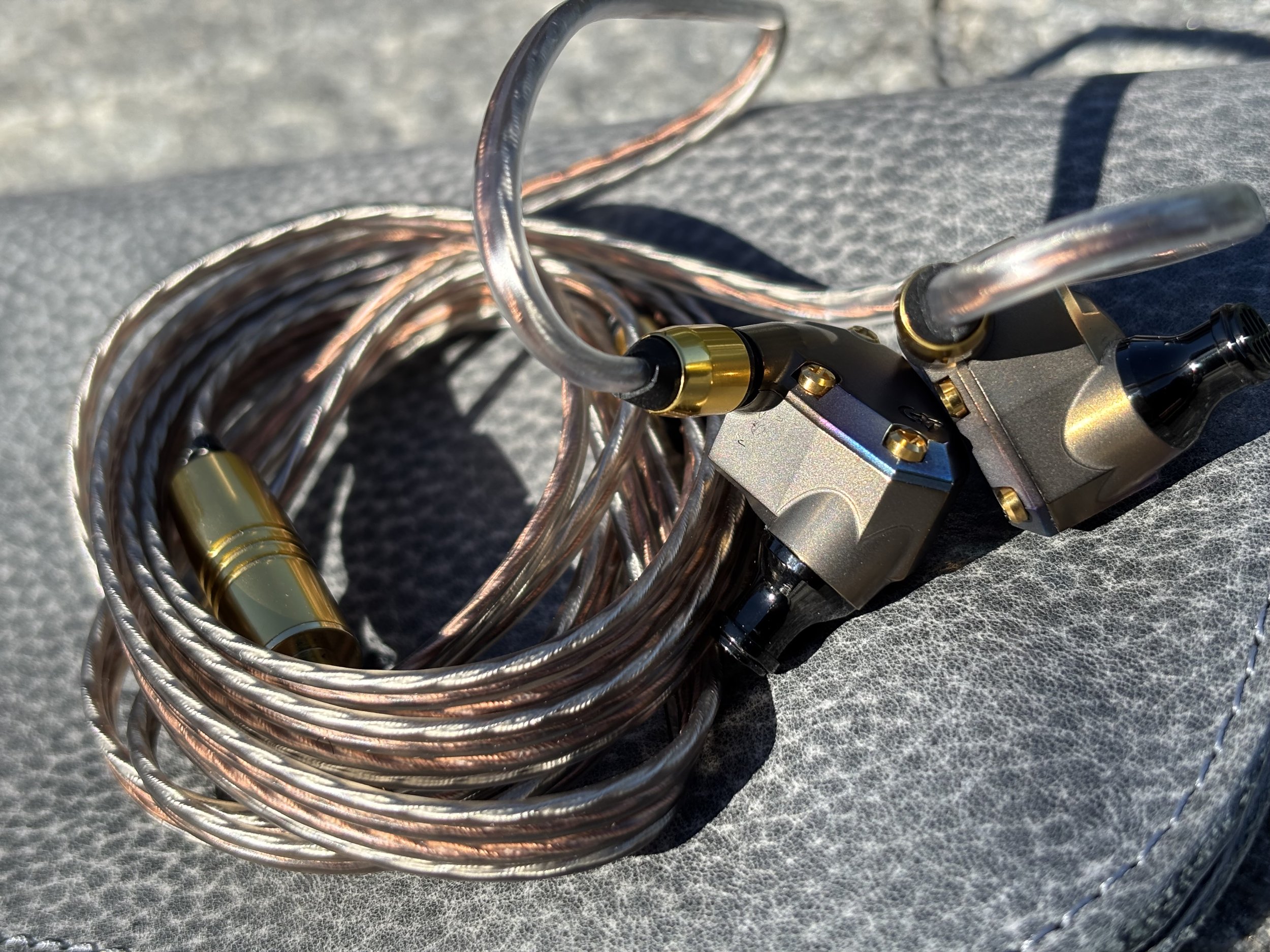
There really isn't much I dislike about the Moon Rover, but I do have one complaint, and it's not about the sound. It's the carrying case and how everything is packaged. The box itself is quite nice, and the overall presentation looks good. But when I first opened everything, I was a little surprised by how the IEMs were stored. They're essentially placed inside a small, soft pouch, which then goes inside a larger leather-style pouch. It's certainly not terrible, and I understand what Campfire Audio is going for, but I would have liked to see something with a little more protection.
In fact, when I first opened the box, I actually wondered for a moment whether it had already been opened. The IEMs just didn't seem quite as securely packed as I expected. Now, maybe I'm being a little picky here, but I've reviewed some considerably cheaper IEMs that come with really nice carrying cases. Some of these things are practically little armored containers, and I appreciate having something like that when traveling with expensive audio equipment. With the Moon Rover approaching $900, I think a more protective case would have been a nice addition.

And having experienced the elaborate presentation of the Solaris Stellar Horizon a few years earlier, I suppose my expectations for Campfire Audio packaging are pretty high. That doesn't mean every product needs to come with a wooden display box and a miniature hand to hold the IEMs. But I would have appreciated something a little more protective for everyday storage and travel. It's a relatively small complaint in the grand scheme of things, especially considering how good these sound. But it's one area where I think Campfire Audio could have done a little better.
Are the Campfire Audio Moon Rover IEMs Worth $899?
I think they absolutely can be, depending on what you're looking for. And that's really the important part here. When you're spending this much money on IEMs, you should have a pretty good idea of the kind of sound you enjoy. The Moon Rover isn't necessarily trying to appeal to every listener, and I actually appreciate that. These have a particular character, and they do an excellent job delivering it.
The high-frequency detail is outstanding, the vocals sound incredibly clean, and instruments like guitars and percussion really benefit from the clarity these provide. I've had a great time revisiting music through them, especially tracks where there's a lot happening in the upper frequencies. I also like the limited-edition aspect of the Moon Rover. With only 888 units produced, there's something interesting about owning a pair that isn't going to be manufactured indefinitely. Of course, I wouldn't recommend spending $899 simply because something is limited edition. The sound should always be the reason you buy a pair of IEMs, and fortunately, the Moon Rover has plenty going for it in that department.
The finish is another nice touch. While it isn't quite as colorful in everyday lighting as the promotional images might suggest, it has a unique appearance that I think looks pretty cool. My only real disappointment is the storage arrangement, and even that isn't enough to change my overall impression of these.

My Verdict: Campfire Audio Makes Buying IEMs an Experience
After spending time with the Campfire Audio Moon Rover, I came away very impressed. I've enjoyed several Campfire Audio products over the years, and the Moon Rover continues that trend. These are some seriously detailed IEMs, particularly when it comes to higher-pitched vocals, guitars, and percussion. The amount of clarity they deliver is excellent, and what I like most is that they manage to sound incredibly detailed without becoming overly harsh or unpleasant. That's a balance I really appreciate, especially when listening to guitar-heavy music.
Bass is present, but it's definitely not the main attraction here. And I think that's perfectly fine. Not every IEM needs to deliver enormous low-end output to be enjoyable. But what I appreciate even more after reviewing the Moon Rover and looking back at my experience with the Solaris Stellar Horizon is how Campfire Audio continues to approach each product differently. The Stellar Horizon had that incredible wooden presentation box and hand-shaped display, while the Moon Rover takes a different approach with its unusual burnt-metal finish and more understated design.
They're different products with different personalities, and that's exactly what makes them interesting. I would still like to see Campfire Audio include a more protective carrying case with the Moon Rover, especially at this price, but that's really my only significant criticism. At around $899, these certainly aren't inexpensive. But for someone who values excellent detail, clean vocals, and a really impressive presentation of higher-frequency instruments, I think the Moon Rover delivers. And if you're a fan of Coheed and Cambria, do yourself a favor and give Welcome Home a listen through these. It's a pretty great demonstration of what the Moon Rover can do.
More than anything, reviewing these reminded me why I've enjoyed covering Campfire Audio over the years. The company doesn't just make another pair of IEMs with slightly different specifications. Each model feels like its own little experience, from the design and packaging to the way it presents your favorite music.
And I think that's pretty cool.