BIC RtR OWT75 Review: A Clever Alternative to Tower Speakers With One Big install Problem.
Disclosure: We may earn a commission when you purchase through links on our site. This does not influence our reviews or recommendations.
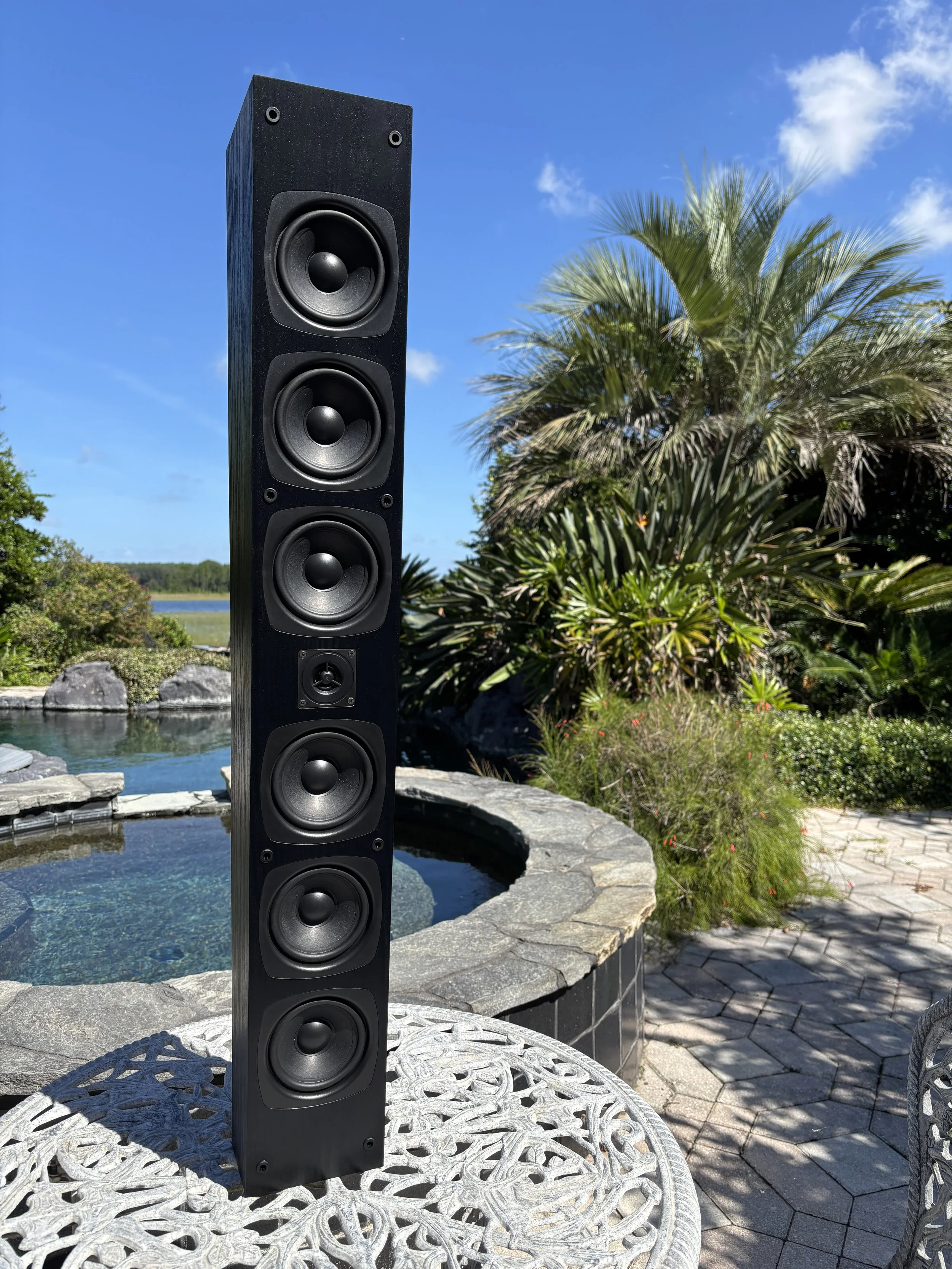
The BIC OWT75 is one of the more interesting speaker designs I've tested in a while, because it's basically trying to be the crossover point between a tower speaker and a soundbar. So like side mounted soundbars, I like the idea here. Instead of a pair of floorstanding towers flanking your TV, you get two narrow on-wall speakers mounted vertically on either side of the screen — in this case, a 75-inch set, which is what the "75" in the name refers to. BIC also makes an OWT65 and OWT85 sized for smaller and larger TVs.
It's not a design I see many brands attempting, and I think BIC is onto something with it. TVs have gotten thinner every year, but tower speakers haven't followed. If you're wall-mounting a big screen to get that clean, floating look, dropping two full-size towers on the floor underneath kind of defeats the point. The OWT75 gets you real left/right stereo separation without giving up any floor space.
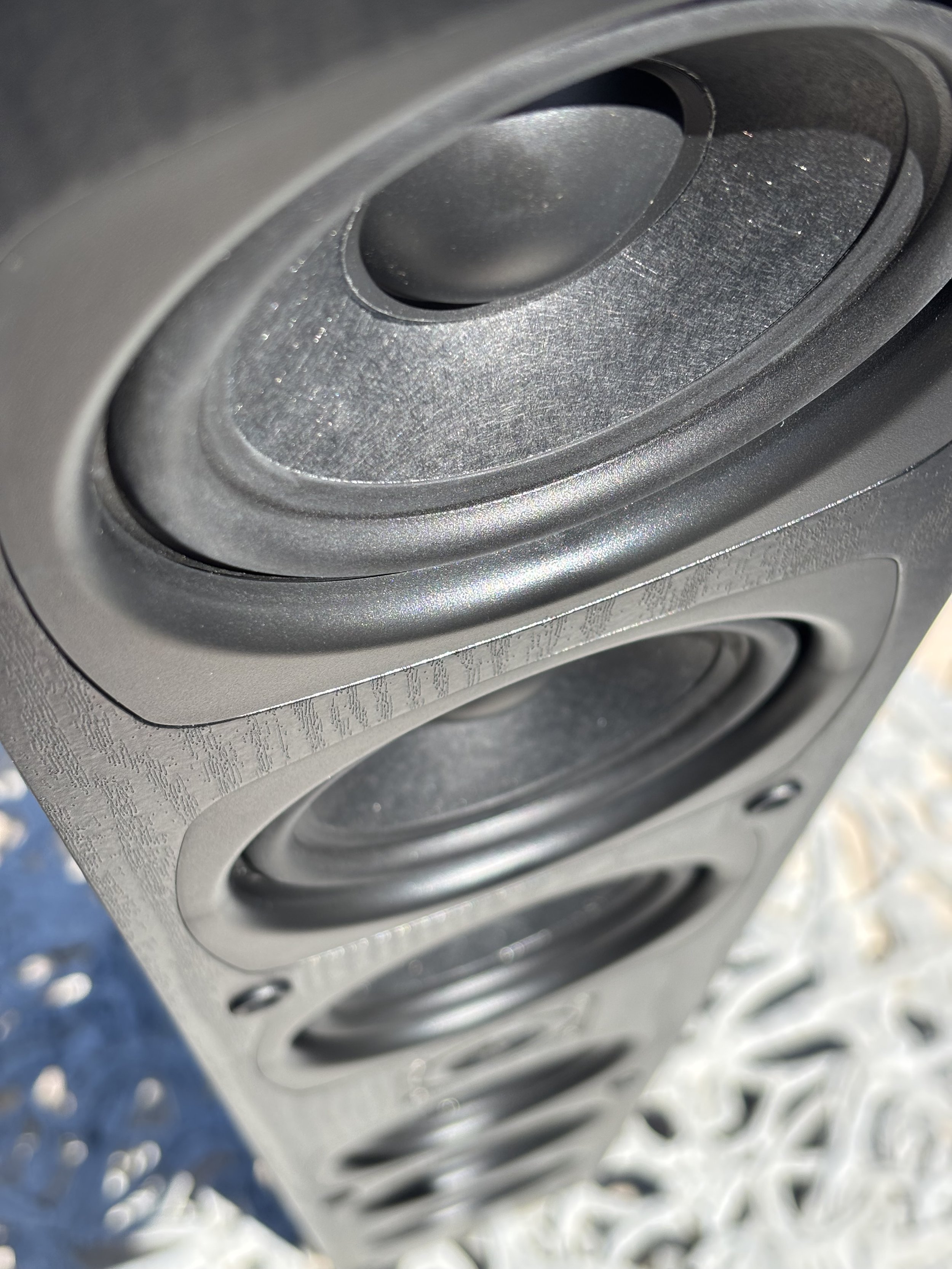
Each OWT75 measures 37.5 inches tall and 5 inches wide, with a cabinet that tapers from 6 inches deep at the top down to 3.5 inches at the bottom. Inside, you've got two 4.5-inch polypropylene woofers, four passive radiators, and a 3/4-inch dome tweeter, rated at 100 watts RMS and 4 ohms. MSRP is $449 each, so just under a grand per pair. These are passive speakers, so you're still running them off an AVR or amp — you're getting genuine stereo imaging here, not a single enclosure under the TV trying to fake a wide soundstage.
Sound
Sound quality-wise, I don't have many complaints. These are balanced and clean, and the upper mids through the highs are genuinely great — the tweeters are solid, dialogue and vocals come through clear, and there's enough output that these don't feel like glorified soundbar drivers stood on end.
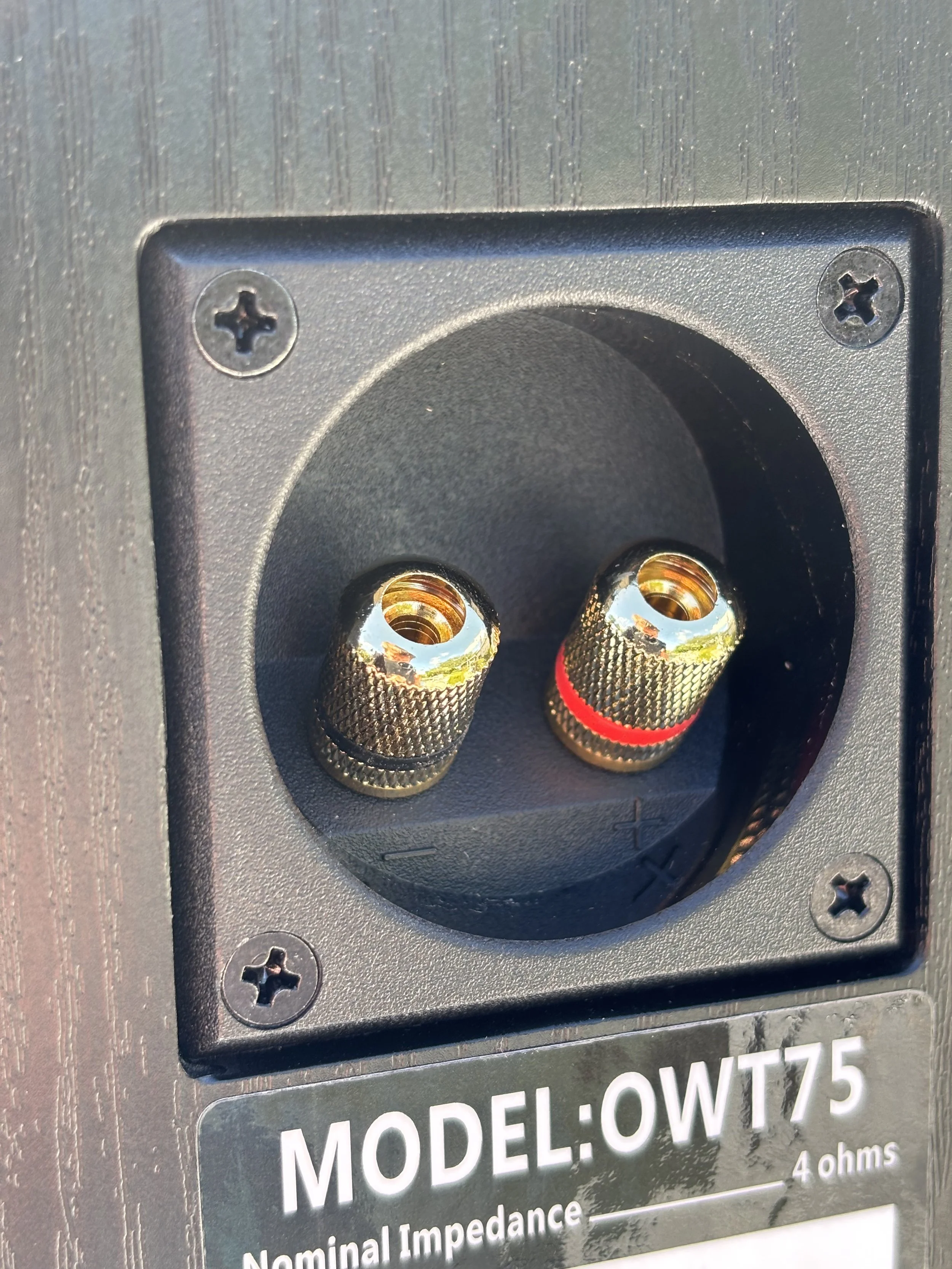
Bass is the tradeoff, and it's worth being precise about why. BIC rates the OWT75 as extending below 60Hz, and the four passive radiators are there specifically to add bass extension and output that the small 4.5-inch woofers can't manage on their own. So it's not that the drivers are incapable — it's that in actual listening, I still wanted more low-end weight than these give you by themselves. BIC's own recommendation is to cross these over to a subwoofer at 80Hz or higher, and I'd agree with that completely. For a real home theater setup, I'd treat a subwoofer as mandatory here, not optional. I'd also consider pairing these with a larger center channel that has some bigger mid-range/lower-end drivers of its own, just to keep the front soundstage balanced left to right to center. BIC does make some center speakers, but I am unsure if there are any perfect matches for these.
Set up that way — sub handling the low end, OWT75s handling everything above 80Hz — this speaker makes a lot more sense. Let a narrow on-wall cabinet do what it's actually good at.
The Mounting Is the Real Problem
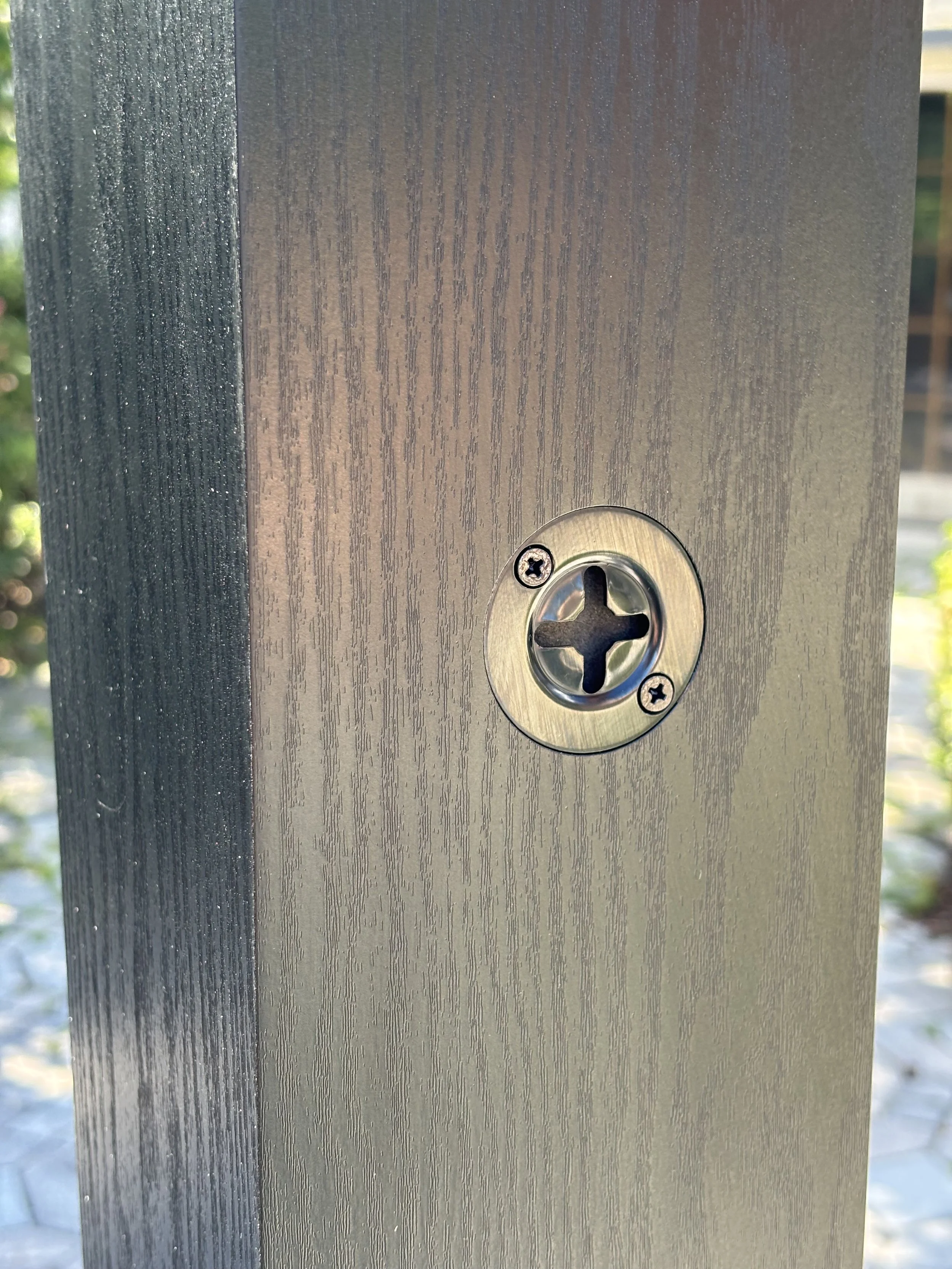
This is where I have to put my installer hat on, because this is where the OWT75 falls apart for me as a pro installer for over a decade.
BIC uses a heavy-duty four-way keyhole mount and includes a wall template, which on paper sounds fine. In practice, this is a very 2005 way to mount a 16-pound speaker that's supposed to line up precisely next to a wall-mounted TV. Nothing about this mounting setup here is precise. You need to hit your mounting points dead center on a stud(FYI, studs are never level!), get the speaker perfectly level and plumb off of two vertically-placed screws, route your speaker wire in-wall, and do all of that twice, symmetrically, on either side of the TV. Any small error in positioning is going to be obvious because you've got a matching speaker right next to it for comparison. God I cringe at the thought of installing these. Try doing this on stone or tile and it gets even worse.
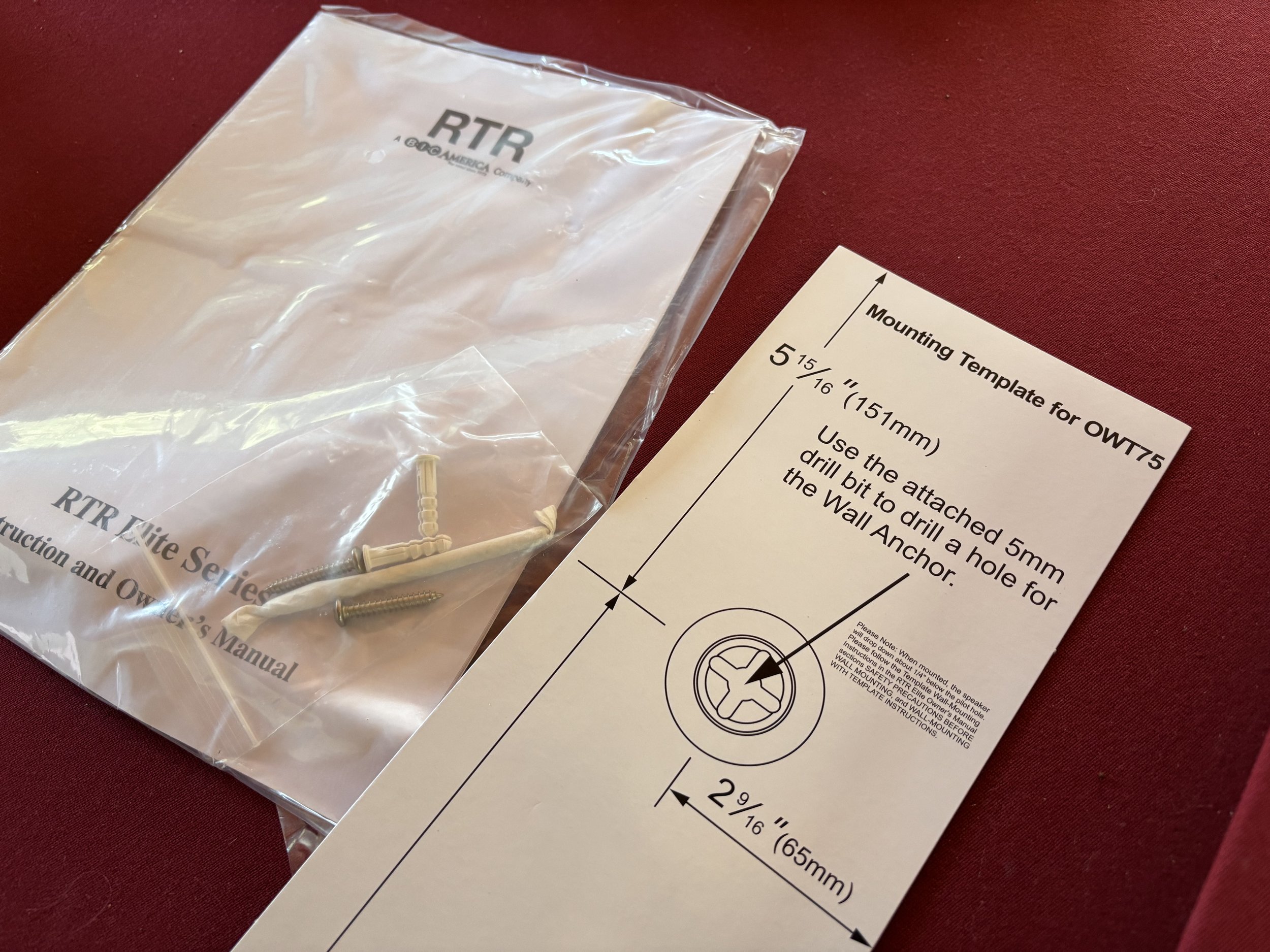
What I'd much rather see is a proper metal wall bracket that we see many soundbars using now a days — something you mount securely to the wall first, with some horizontal adjustment built in, that the speaker then locks or clips onto. That alone would turn the weakest part of this product into one of its strengths. Ease of install is a big pain point for many products.
Bottom Line
The idea here is genuinely good. Real passive left/right speakers mounted beside the TV, no floor space used, full stereo separation, and you get to pick your own AVR and subwoofer. Paired with a sub, the sound is already there — you get a legitimately good front soundstage in a very small footprint.
It's the installation that needs work. As someone who installs this stuff for a living, mounting these correctly and getting them level and plumb is a real pain point right now. If BIC comes out with a version 2 that solves mounting with a proper bracket system, I think this concept gets a lot more compelling. As it stands, I'd happily listen to a pair of these — I just wouldn't look forward to installing them.