I Install Smart Homes for a Living. Here’s the Tech I Recommend — and What I’d Skip
Disclosure: We may earn a commission when you purchase through links on our site. This does not influence our reviews or recommendations.
I've spent years installing, programming, troubleshooting, and servicing home technology for clients. Somewhere along the way I landed on a simple rule for judging whether a smart home product is actually good: I shouldn't have to think about it. Issues and service calls destroy any advantages smart devices can give when they become problematic.
Smart tech is either seamless or annoying. There isn't much middle ground. Seamless means it makes something genuinely easier, doesn't drop Wi-Fi, and doesn't bury a two-second task inside an app you have to wait on. Annoying is everything else — and lately, "everything else" describes some of what gets sent to me for review.
That's made me increasingly anti-app and anti-subscription since 2020, which is a strange thing for someone in this industry to admit. My phone is constantly filling up with apps for products that never needed one. I reviewed a fan a while back that came with its own app. It's a fan. It moves air. It does not need a login.
Here's what I still recommend after all these years, and what I've started steering clients away from.
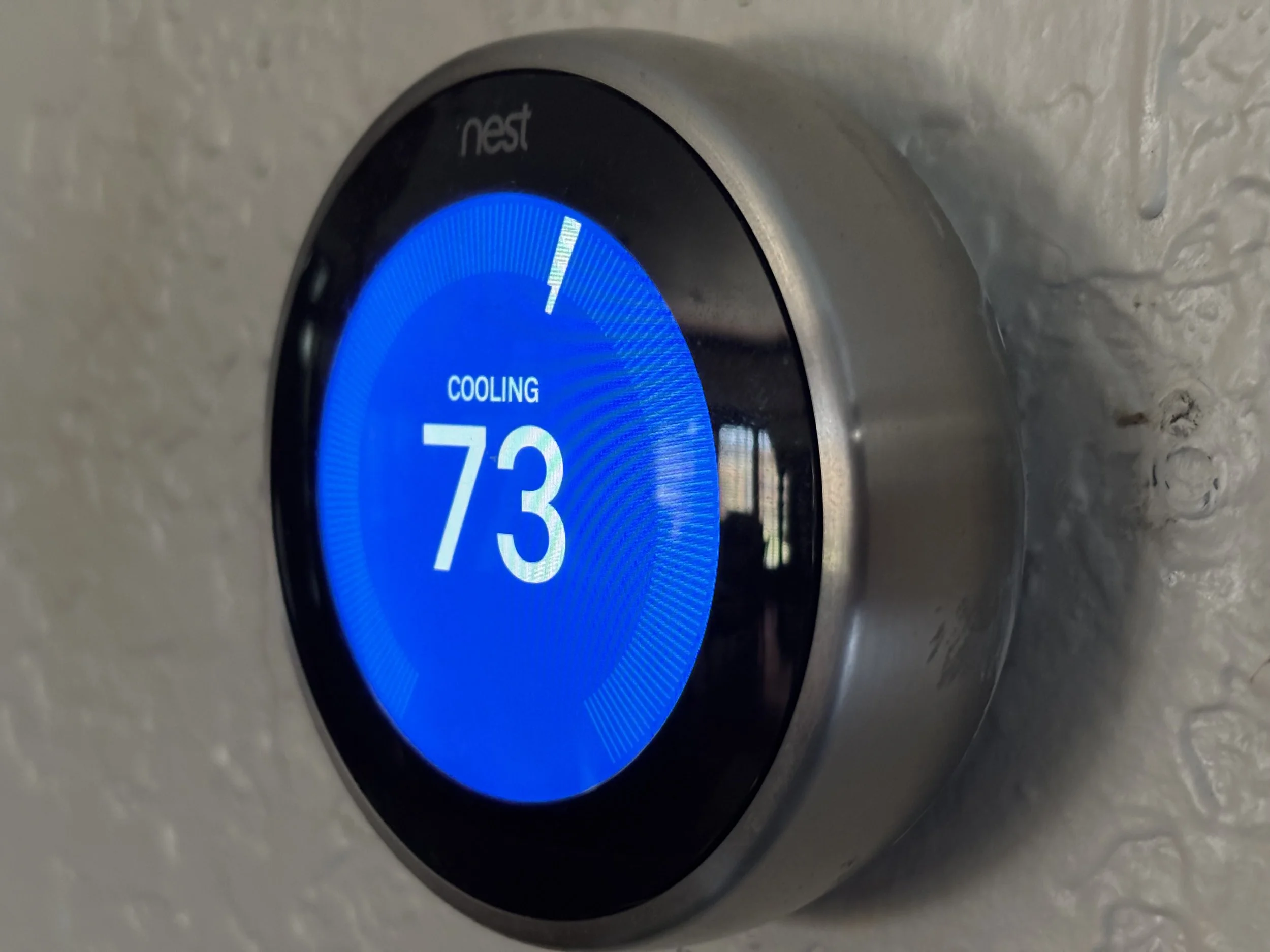
Smart Thermostats: I'm Starting to Tell People No
This is the one that surprises people most, since smart thermostats were supposed to be the killer app for the whole category.
Unless I'm working on a vacation home, a second property, or a situation where remote control actually matters, I'm happy putting a normal thermostat back on the wall. I've watched smart thermostats create the same problems over and over: Wi-Fi drops, app updates that move features around, forgotten passwords, compatibility issues with older HVAC systems. All of that trouble, and you're paying two to eight times more than a basic model to get it.
A Honeywell or basic programmable thermostat runs somewhere in the $25–$60 range and does exactly what it's told, every time. A Nest or Ecobee runs $150–$280 and adds scheduling, remote access, and energy reports — genuinely useful if you travel often or manage a property you're not living in full-time. But if you're the type who walks over, sets it to 74, and never touches it again, you're paying a premium for features you'll never open the app to use.
Save the smart thermostat for the house you're not standing in. My house? Just a simple thermostat, nothing fancy, cause it works.
Mesh Wi-Fi: Set It Up and Forget It
I'm far more enthusiastic here, because good Wi-Fi is infrastructure, not a gadget.
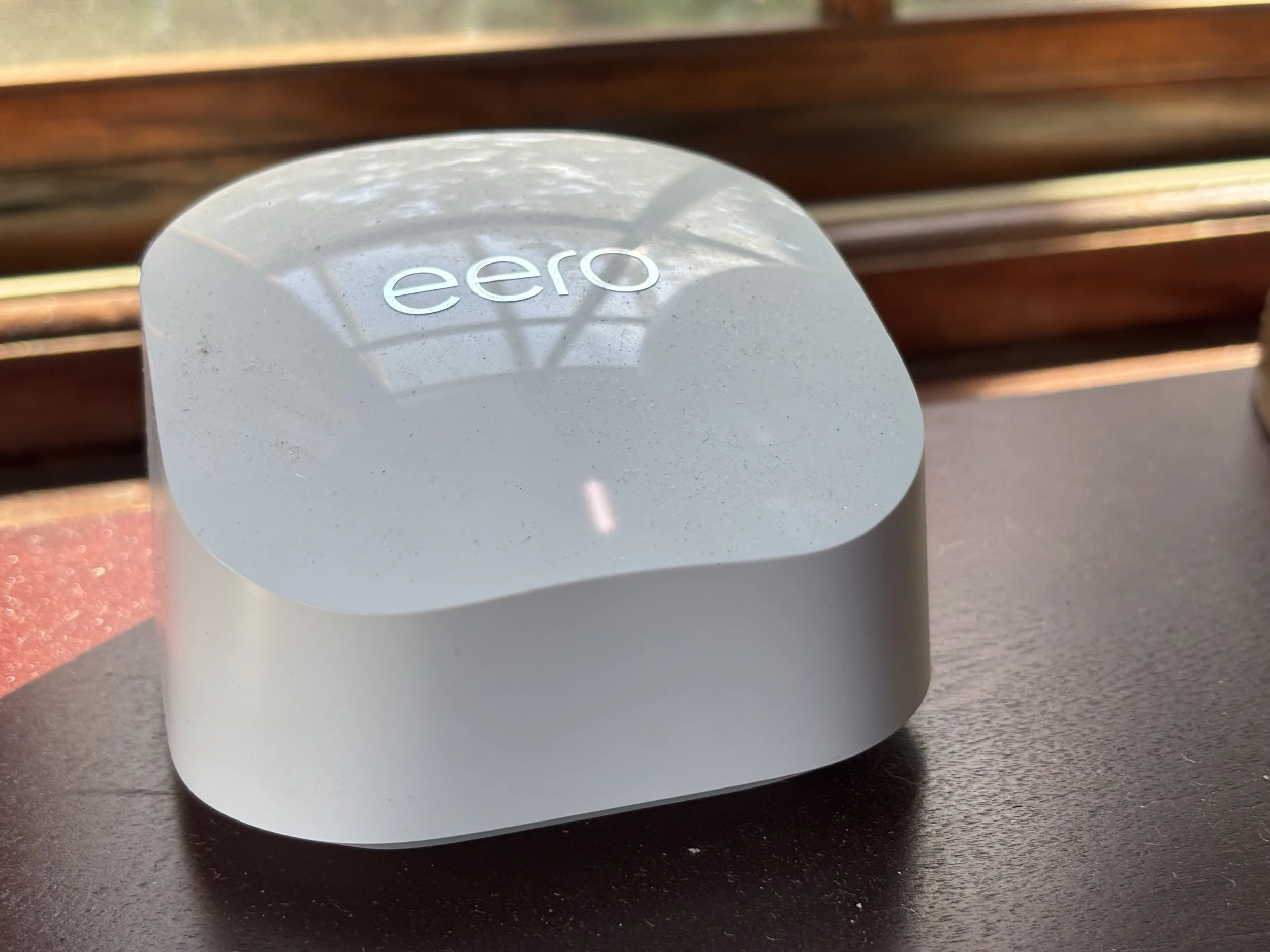
Yes, you'll need an app to set up a mesh system like eero, Orbi, or TP-Link Deco. That's fine — I don't hate apps on principle. I hate having to open one every week. A mesh system's entire job is to get installed, get configured once, and disappear. A mesh system should be forgotten about, if your thinking about it or need to work on it, it’s a bad system. Your phone should roam the house without dropping. Your cameras and smart devices should stay connected without you noticing they exist. If you're opening the app monthly to troubleshoot a dead zone, the system has failed at its one job. That simple.
The best network is the one you forget you have. My go to is the Amazon Eero systems, check them out here on Amazon.
Roku vs. Fire TV vs. Apple TV: Simple Wins
I recommend Roku constantly, and not because it's the most feature-packed platform on the market. That's almost the point. It just works and stays working.
The interface is familiar, it's easy for clients to navigate without a walkthrough, and it just works. Fire TV has given me more troubleshooting calls than I'd like — sluggish menus, Amazon pushing its own content over what the client actually wants to watch. They constantly fail from what I’ve seen over the years. Apple TV is a genuinely nice piece of hardware, but at $130–$150 for a box that does largely the same job as a $30 Roku stick, it's hard to justify for most households. You're paying for an ecosystem, not a better remote-and-watch experience.
Turn on the TV, find the app, watch something. That's the whole interaction, and Roku nails it without getting in the way.
Soundbars: Yeah, I'm Recommending Them Everywhere Now
I love a properly designed surround system — real speakers, a subwoofer, real amplification. Give me that setup and I'm happy all day. I used to be kinda against them, but they do two things very well, sound good enough and just work.
But soundbars have gotten genuinely good, and not just the expensive ones. The quality floor has risen across the board. There are $150–$250 soundbars I'll happily install in a bedroom or office, and $500–$800 models from Sonos, Samsung, or Bose that get close enough to a real system that I don't feel like I'm cutting corners recommending one for a living room. Read more about how speakers have changed in the last 10 years here.
Best soundbar deals on Amazon!
Does a soundbar replace a full surround setup? No. Does the average household need five speakers and a subwoofer wired into every TV in the house? Also no. A soundbar is one box, one connection, and dramatically better sound than whatever thin speaker is built into a modern flat panel. That's a trade-off I'll make every time.
WiiM: One of My Favorite Things Happening in Audio
I've been ripping a lot of Sonos out of client homes lately. Increasingly, I'm replacing it with WiiM. Like massive, 30-50 part Sonos systems, Sonos has be become the bane of the AV world and low volt installers.
I like what this company is doing because it feels like someone finally walked into the multi-room audio space and applied real pressure on Sonos — a brand that's had that market mostly to itself for years. A WiiM Amp or WiiM Pro runs a fraction of the cost of comparable Sonos gear, and in my installs, it's been just as reliable.
I don't want to hear from a system again after I install it. That sounds like a bad business model coming from someone who bills for service calls, but it's the highest compliment I can give a product. WiiM has consistently earned that compliment, my clients love it, so I love it.
Security Cameras: Stop Overcomplicating This
Cameras are another category where I keep landing on "simpler is better."
I install a lot of Arlo, because battery power solves a real, practical problem: I can mount the camera where it actually needs to go instead of where the wiring allows. That flexibility matters more to most clients than any spec sheet.
I'm increasingly drawn to cameras with local SD storage over cloud-only models. A battery, a card, and decent motion detection eliminates the need for wiring, an NVR, and — in a lot of cases — another monthly fee. Cloud recording has real advantages, especially if someone steals or destroys the camera itself, but I'm anti-subscription wherever I can reasonably be. Stack a $5 fee here and a $10 fee there across a house full of "smart" devices, and you've built yourself a second cable bill.
Smart Locks: Sometimes They're Fantastic
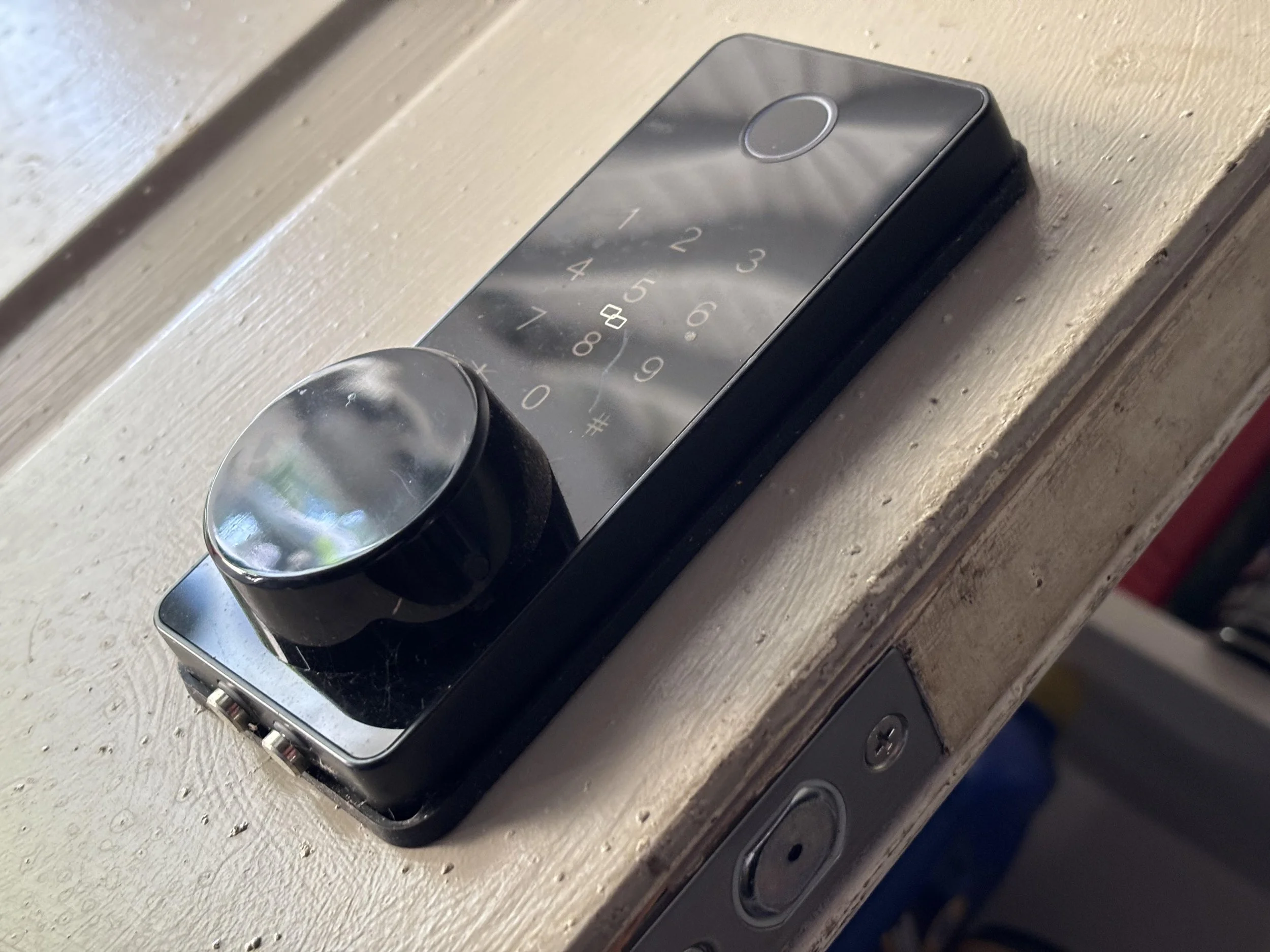
I'm more neutral here than anywhere else on this list, because smart locks are genuinely situational.
Temporary codes for guests, knowing whether a door is locked without walking to it, giving a contractor access without hiding a key under a flowerpot — those solve real problems, and in the right house, a smart lock is fantastic. But there are also plenty of overpriced locks that take something dead simple and reliable — a key — and turn it into another battery-powered computer bolted to your front door.
When a smart lock makes sense, Yale and Schlage are still my go-to brands. When it doesn't, I'm just as happy leaving the deadbolt alone.
The Industry Made Me Anti-App — Not the Clients
I didn't start out this way. The industry did this to me.
Over the last several years in AV and low-voltage work, I've watched manufacturers promise that connected products would simplify our homes. Instead, I've watched apps get discontinued, cloud services go down, and perfectly functional hardware get worse because a company changed something on the back end for no reason a client asked for. I've watched a task that used to be "press a button" turn into "open the app, wait for it to connect, hope it works."
That's not progress. That's a downgrade wearing a Wi-Fi logo. Like why aren’t my clients asking for more AI? Find out more here!
My Rule Hasn't Gotten More Complicated — It's Gotten Simpler
After all these years, my buying advice comes down to three questions:
Does it solve a real problem? Does it make something easier? Will it keep working without me babysitting it?
If the answer is yes across the board, I'm in. If the pitch is mainly "there's an app for that" and "it's $9.99 a month," I'm telling my client to keep walking.
I still love this industry, and I don't think that's going to change. I've just stopped assuming that making something smart automatically makes it better. More often than not, the smartest thing you can put in someone's house is the thing they never have to think about again. Read more about why I don’t like expensive TVs anymore because budget TVs have gotten so good.