
Disclosure: We may earn a commission when you purchase through links on our site. This does not influence our reviews or recommendations.
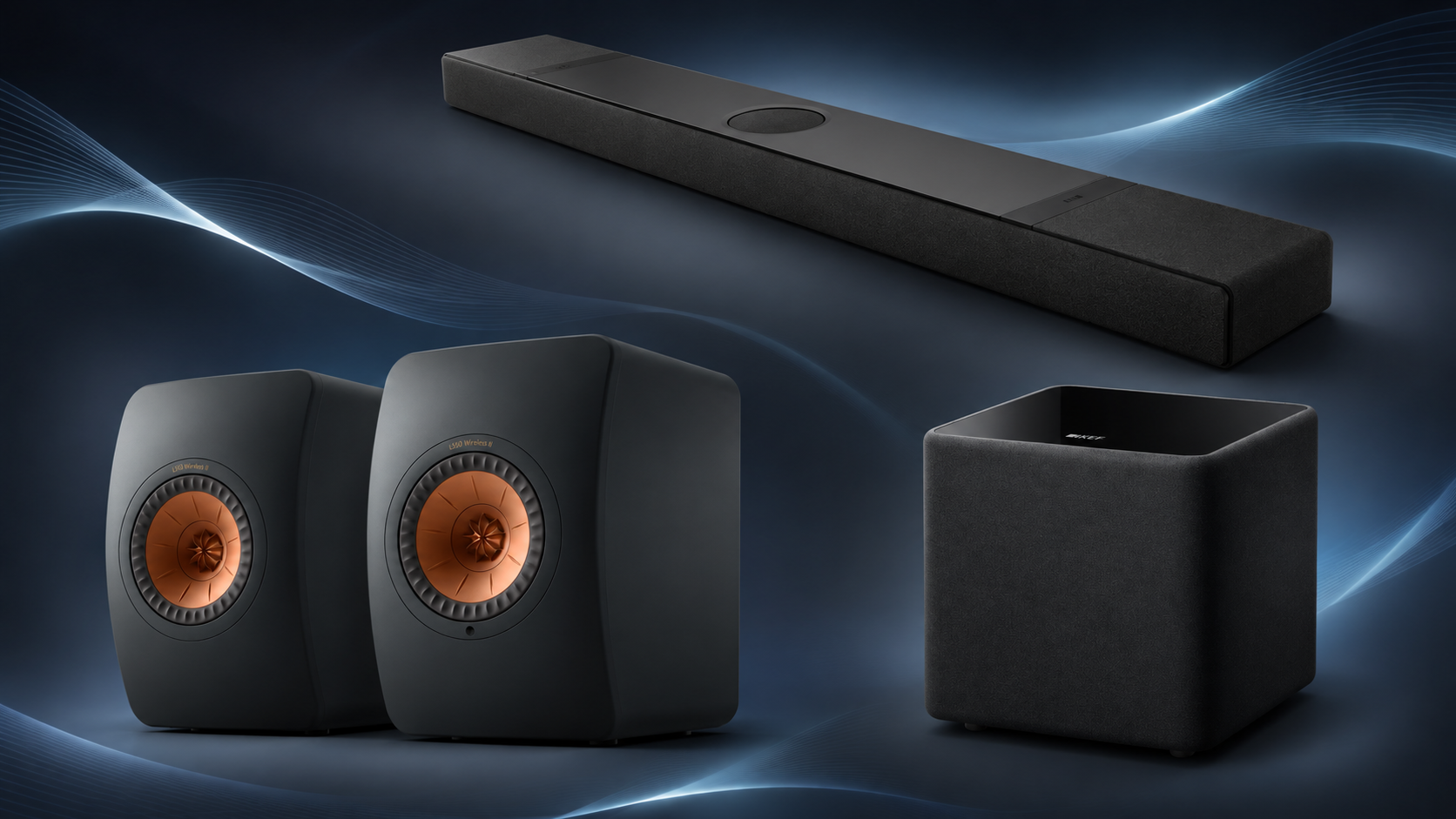
KEF makes everything from compact bookshelf speakers to wireless hi-fi systems and high-end soundbars. They share some of the same technology, but they’re built for very different setups. Some need a separate amplifier, while others handle streaming and TV audio right out of the box. We’ve picked five KEF products that span a first stereo system to a more elaborate home theater setup, and we’ll break down what makes each one different and what you’ll actually need to get it up and running.
KEF Q1 Meta: Getting Started with Hi-Fi
Best for: Building your first hi-fi speaker setup
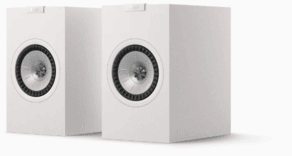
If you're ready to move past a Bluetooth speaker, the Q1 Meta is a good place to start. They are somewhat affordable and classic looking. These compact bookshelf speakers are made for stereo listening, whether that's records, streaming or a modest home theater. Each speaker uses KEF's 12th-generation Uni-Q driver array, which puts the tweeter at the center of the midrange/bass driver so sound spreads more evenly through the room instead of favoring one seat. KEF's Metamaterial Absorption Technology (MAT) absorbs unwanted sound from behind the tweeter to help reduce distortion. The Q1 Meta has a 5.25-inch driver, stands just under 12 inches tall, and comes in satin black, satin white and walnut.
The catch is that these are passive speakers, so there's no built-in amplification, Bluetooth or streaming. You'll need an amplifier or receiver, plus a way to play music. KEF recommends 10W to 150W of amplification, and with a nominal impedance of 4 ohms, you will want to make sure your amplifier is compatible.
KEF LS50 Meta: For the Dedicated Music Lover
Best for: Listeners who want a more refined stereo setup and speakers that look good on display
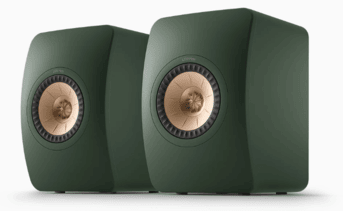
The LS50 Meta is also passive, but it puts more emphasis on detailed listening, and it looks the part. My dad has a set and loves them! A curved front panel frames the Uni-Q driver, giving it a sculptural appearance that's a long way from a plain speaker box. Inside is a 5.25-inch aluminum midrange/bass driver and a 1-inch aluminum dome tweeter, using the same 12th-generation Uni-Q and MAT technology found in the Q1 Meta. KEF recommends 40W to 100W of amplification, and the speakers have a nominal impedance of 8 ohms.
Placement matters with these speakers. Speaker stands or a sturdy surface with room around the cabinets can help you get more out of them, although room acoustics and amplifier pairing also play a role in what you'll actually hear, regardless of what the specifications say. It's something Indiana also touches on in his look back at ten years of speaker-buying advice. And like the Q1 Meta, the LS50 Meta doesn't have streaming or amplification built in, so you'll need a separate amp or receiver.
KEF LS50 Wireless II: Hi-Fi Without the Component Stack
Best for: High-quality music streaming without a separate amplifier
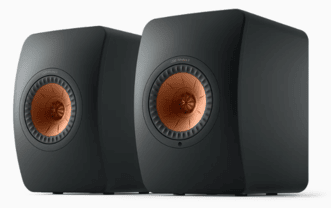
If you like the idea of premium bookshelf speakers but don’t want to shop for amps and streamers, the LS50 Wireless II is a good fit. It shares design DNA with the LS50 Meta, but it’s a complete powered system with amplification and streaming built in. Each speaker delivers 280W of Class D power to the bass driver and 100W of Class AB power to the tweeter. Streaming options include Wi-Fi, Bluetooth, Apple AirPlay 2, Google Cast and Roon, plus services like Spotify and TIDAL, all controlled through the KEF Connect app. They also work with TV audio: with an HDMI eARC connection for your TV and analog and digital inputs for other equipment, they’re pretty versatile. A subwoofer output also gives you the option to add more bass later.
A word on “wireless”: each speaker still needs to be plugged into the wall, and the two communicate wirelessly by default, with an optional cable connection for higher-resolution playback or improved stability. You won’t be getting rid of every wire, but you can skip most of the equipment a traditional hi-fi setup requires.
Shop the LS50 Wireless II on Amazon!
KEF XIO Soundbar: Big Sound for Movie Nights
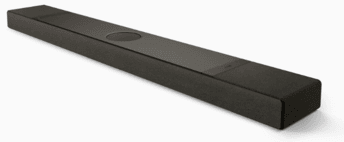
Best for: Movies and premium TV audio without a multi-speaker surround setup
The XIO is a premium soundbar with a 5.1.2-channel configuration and support for Dolby Atmos and DTS. It combines six of KEF's compact Uni-Q MX drivers with additional drivers for bass, powered by 12 Class D amplifiers. The idea is to create a wider, more immersive listening experience than built-in TV speakers can manage. Its height channels also help reproduce overhead effects in compatible Dolby Atmos content, although how convincing that sounds will depend on your room.
The XIO includes KEF's Intelligent Placement Technology, which detects nearby objects and adjusts the sound to account for its surroundings. That's particularly useful if your entertainment setup doesn't leave much room to work with, whether you're placing the soundbar on a shelf or mounting it on the wall with the included kit. Connectivity includes HDMI eARC, optical, Wi-Fi and Bluetooth 5.3, so you can also use it for streaming music when the TV is off.
Whichever way you set it up, keep its size in mind. At approximately 47.6 inches wide, the XIO is pretty big, so be sure it fits beneath your television. Its built-in bass drivers mean you won't necessarily need a separate subwoofer, but there's an RCA output if you want to add one later. You can also connect compatible KEF subwoofers wirelessly using the optional KW2 RX receiver.
Shop the XIO Soundbar on Amazon!
KEF Kube 8 MIE: Deeper Bass for What You Already Own
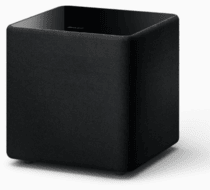
Best for: Adding low-end impact to an existing system
Unlike the others here, the Kube 8 MIE isn't meant to handle music or movies on its own. It's a powered subwoofer that takes care of the low frequencies smaller speakers can struggle with. It has an 8-inch front-firing driver and a built-in 300W Class D amplifier. It's also the smallest model in KEF's Kube MIE range, making it a good fit for smaller rooms or setups where a larger subwoofer would be difficult to accommodate.
KEF's Music Integrity Engine uses digital signal processing to manage bass extension and response, while three room-position EQ presets let you adjust the sound depending on where the subwoofer sits. The sealed cabinet is fairly compact at approximately 11.5 inches tall and wide and 12.2 inches deep, although you'll still need space for it and a nearby outlet. For connectivity, it supports RCA and speaker-level inputs, with an optional wireless adapter, the KW1, for more flexible placement. It can also connect to the XIO's subwoofer output or be paired with the LS50 Wireless II.
Shop the Kube 8 MIE on Amazon!
Which KEF Setup Makes the Most Sense?
It helps to think about what kind of setup you're starting with. If you're putting together your first stereo system, the Q1 Meta is a relatively approachable option. The LS50 Meta is aimed more toward listeners who want to invest in a dedicated hi-fi setup and enjoy choosing the equipment to go with it.
If you'd rather skip the extra components altogether, the LS50 Wireless II has amplification and streaming built in, making it a convenient choice for everyday music listening. For movies and television, the XIO takes a different approach, bringing immersive audio into a single soundbar instead of requiring speakers around the room. And if you already have a sound system you're happy with but feel like it's missing a little bass, the Kube 8 MIE can help fill that gap without replacing everything you already own.
Before You Buy: Some Things to Keep in Mind
Something important to understand is the difference between passive and powered speakers. The Q1 Meta and LS50 Meta need an external amplifier, while the LS50 Wireless II has amplification built in. The XIO and Kube 8 MIE are powered as well, although the Kube is a subwoofer rather than a complete speaker system.
Before buying, think about how you'll actually use your new speakers and what equipment you already have. If you're mostly streaming music, built-in connectivity might be a priority, but if you already own an amplifier, receiver or turntable setup, passive speakers might fit right in. For movie lovers, features like HDMI eARC and Dolby Atmos support could be more useful. Just make sure you check what's included before ordering, since amplifiers, speaker stands and some cables may be sold separately. It’s no fun unboxing new speakers only to realize you can't actually use them yet.
