Disclosure: We may earn a commission when you purchase through links on our site. This does not influence our reviews or recommendations.
The in-ear monitor market has become incredibly competitive, particularly once you start shopping in the $200 to $300 price range. At this level, I'm looking for more than a pair of earphones that simply sound good. I want something with character, a distinctive musical presentation, and enough refinement to justify spending considerably more than I would on a basic set of earbuds. With so many excellent IEMs available today, having a recognizable sound signature is important, but so is delivering the technical performance to back it up.
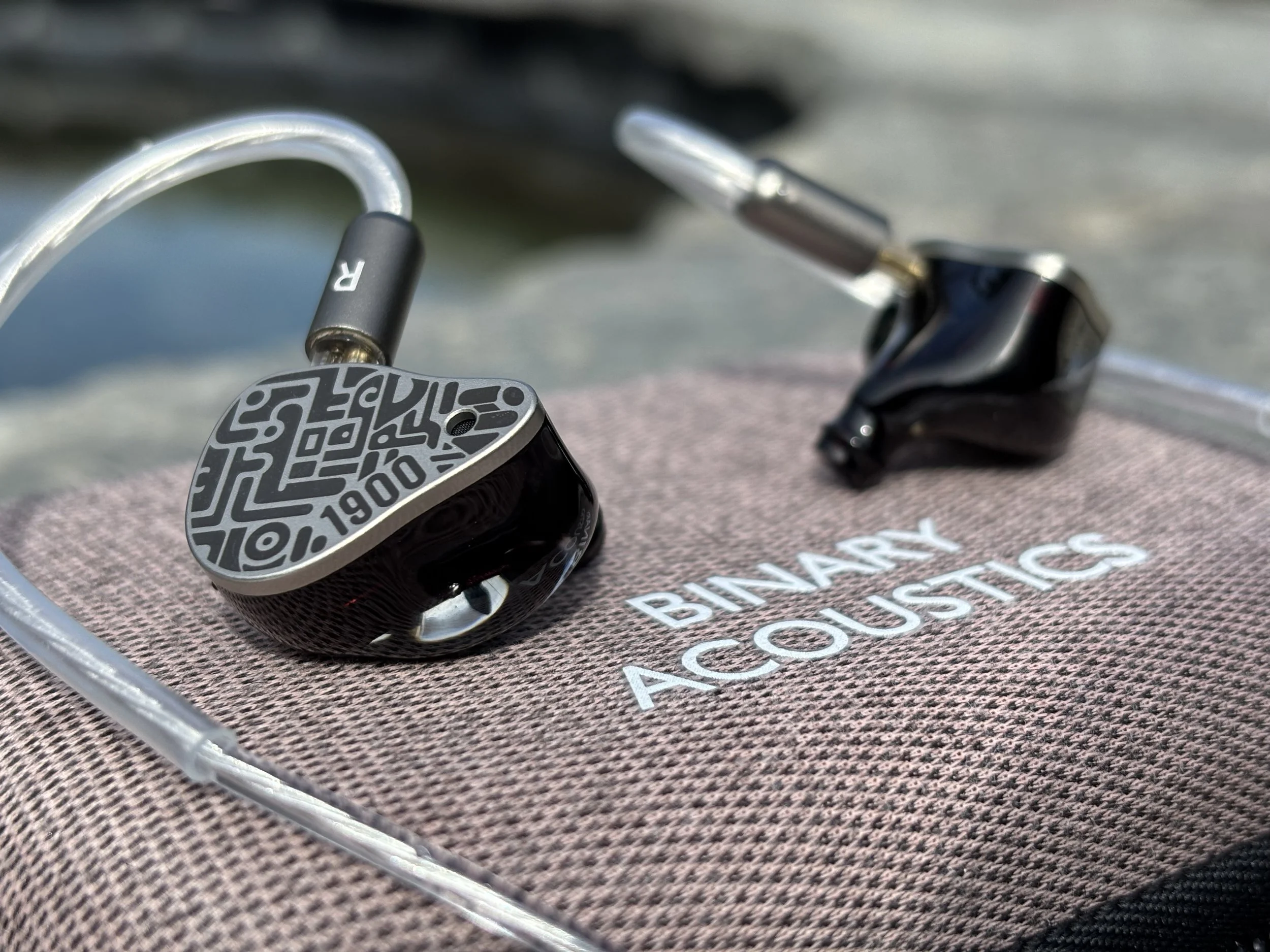
That's where the Binary Acoustics 1900 enters the picture. Priced at approximately $235, these IEMs combine an unusual hybrid driver configuration, attractive styling, and a sound signature that places considerable emphasis on bass. They're also inspired by the 1998 film The Legend of 1900, giving them a backstory that's a little more interesting than the usual collection of marketing terminology.
After spending time listening to the Binary Acoustics 1900, I came away with a generally positive impression, although these are certainly not IEMs that excel in every category. Their biggest strength is a satisfying, punchy bass presentation, while the midrange and upper frequencies are somewhat less impressive. They're enjoyable earphones with a distinct personality, but when compared directly with alternatives such as the Kiwi Ears Halcyon and Sivga Lyrebird, their limitations become considerably easier to identify. And that's really where this review gets interesting.
A Design Inspired by The Legend of 1900
One of the more unusual aspects of the Binary Acoustics 1900 is the inspiration behind its design. The IEMs take their name from The Legend of 1900, a film about a gifted pianist who spends his entire life aboard an ocean liner. Music is central to the story, making it an appropriate source of inspiration for a pair of earphones. I appreciate when audio manufacturers put some thought into the identity of their products. There are countless IEMs on the market, and after reviewing enough of them, many begin to look and feel interchangeable. The 1900 at least attempts to establish something different, incorporating musical and cinematic inspiration into its overall appearance.
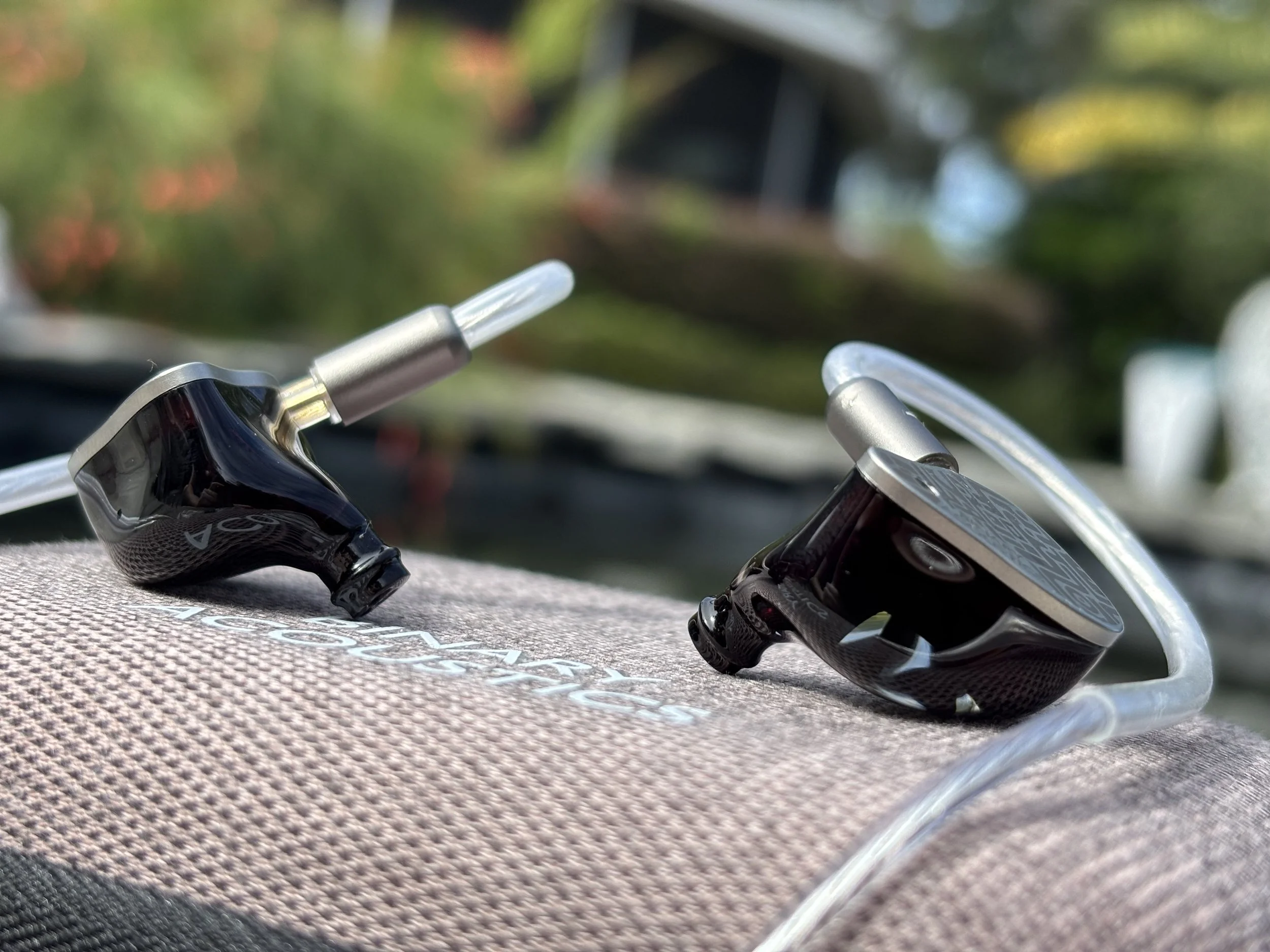
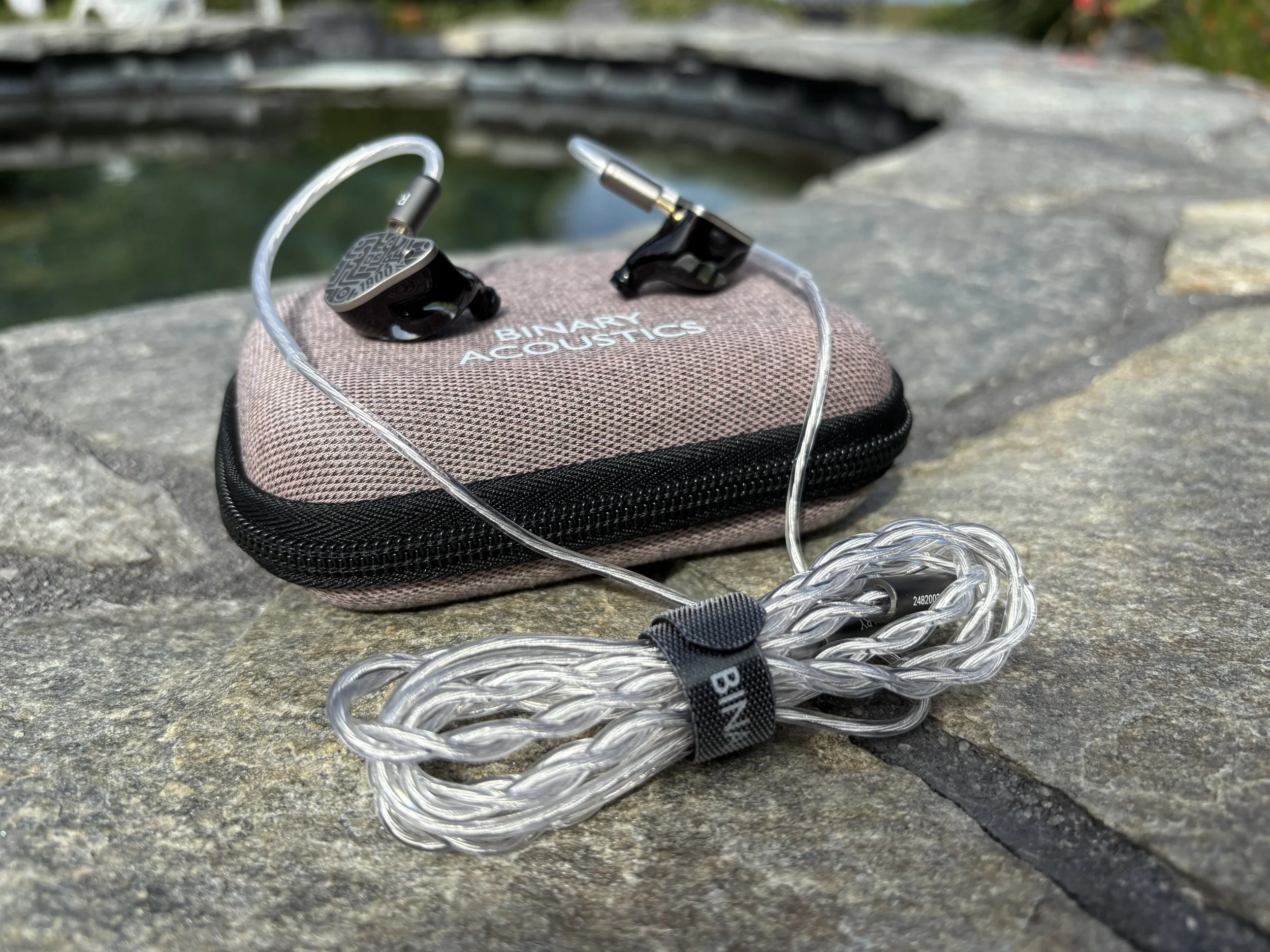
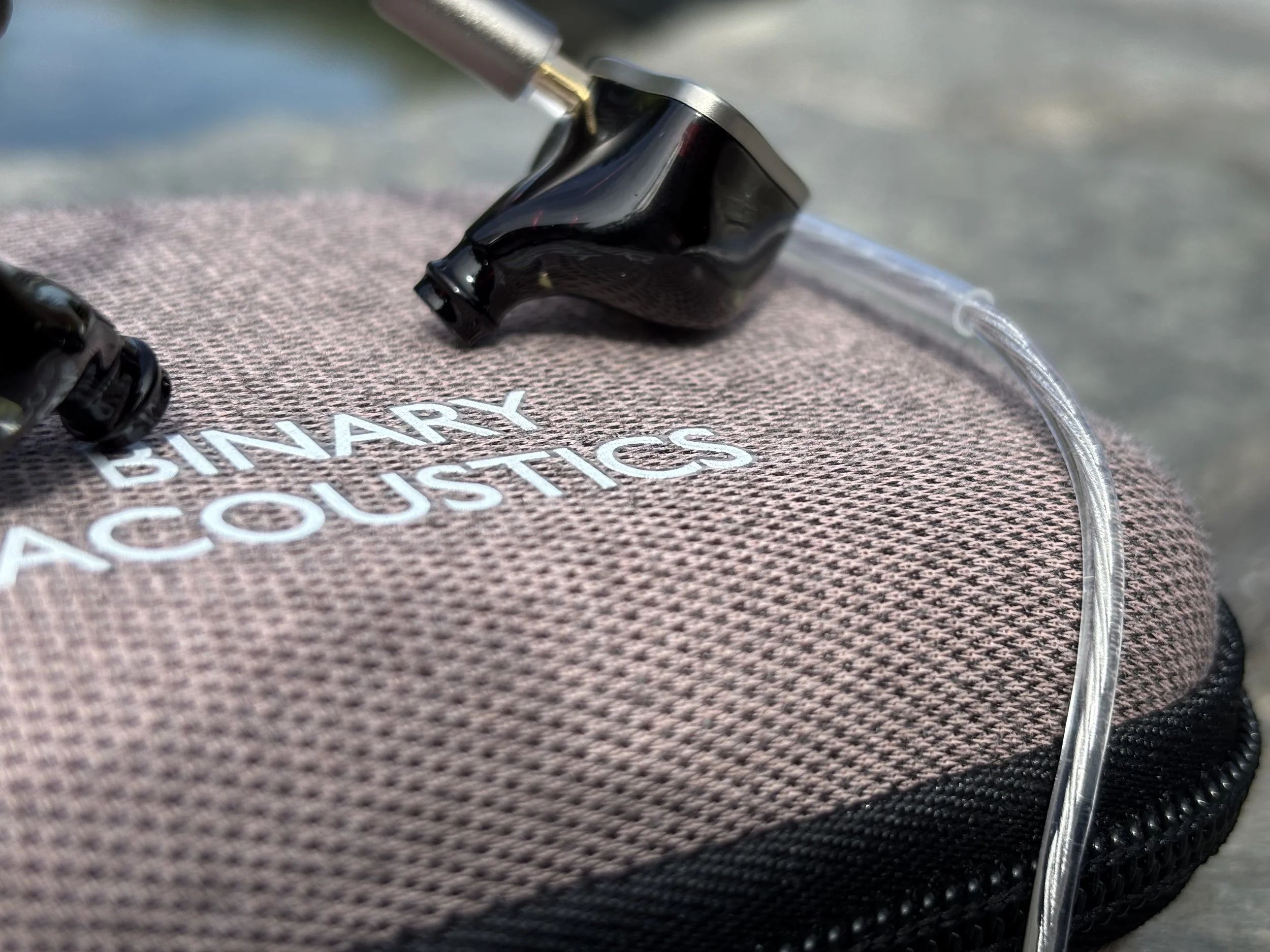
The packaging reinforces that impression. The presentation feels appropriate for a product in this price category, and Binary Acoustics includes an attractive carrying case with an unusual reddish-brown finish. It's a nice departure from the typical black cases included with many competing IEMs, and I particularly liked how it complemented the overall design. The earphones themselves feature resin housings paired with CNC-machined 316L stainless steel faceplates. Binary Acoustics describes the faceplate design as incorporating vintage piano-inspired elements, continuing the connection to the film. The detachable cable uses silver-plated oxygen-free copper with standard 0.78mm two-pin connectors, and the manufacturer offers 3.5mm single-ended and 4.4mm balanced termination options.
Underneath the attractive exterior is an interesting acoustic arrangement. Each earpiece incorporates a 10mm dynamic driver, a 6mm passive radiator, and four balanced-armature drivers, managed through a three-way crossover system. The passive radiator is particularly interesting because it's a technology more commonly associated with loudspeaker designs, where it responds to pressure changes within an enclosure rather than receiving an electrical signal directly. Binary Acoustics uses this configuration as part of its approach to producing a stronger low-frequency presentation. It's certainly an ambitious arrangement for an IEM in this price category, although driver count and design complexity don't automatically translate into superior sound quality. The final tuning is what matters, and in the case of the 1900, that tuning has a very recognizable personality.
Sound Quality: The Bass Is the Main Attraction
Before trying the Binary Acoustics 1900, I had heard that these IEMs were designed with an emphasis on punchy bass. After spending time listening to them, I can certainly understand why. The low end is easily my favorite aspect of the 1900's sound signature. There's a satisfying amount of bass presence, with deep lows and an enjoyable sense of impact. These aren't IEMs that seem primarily focused on delivering a completely neutral or analytical listening experience. Instead, they offer a more characterful presentation, with bass playing an important role in the overall sound. That's something I appreciate. Once you get into this price category, I think it's important to look beyond whether a pair of earphones simply sounds good. Different listeners have different preferences, and there's nothing wrong with a manufacturer creating an IEM that caters to a particular style of listening.
Some people want a completely neutral sound signature with very little coloration. Others prefer a more energetic presentation, with stronger bass response and a little extra excitement. The Binary Acoustics 1900 clearly leans toward the latter group. The bass gives music a sense of weight and personality that makes the 1900 enjoyable, particularly if you're someone who appreciates a more physical low-frequency presentation. It's the characteristic that stood out most during my listening sessions, and it's ultimately the strongest reason I would recommend considering these IEMs. However, strong bass performance doesn't necessarily mean the rest of the frequency range is equally impressive, and that's where the 1900 starts to reveal some of its limitations.
Midrange, Vocals, and Treble: Where the Compromises Begin
The midrange performance is acceptable, but I wouldn't describe it as particularly remarkable. Vocals sound fine, and the overall presentation remains enjoyable, but I never felt that the 1900 delivered anything especially impressive in this area. For me, the midrange is simply okay. It gets the job done without becoming a defining strength of the product. That's an important consideration because vocals and midrange instruments are central to so much of the music we listen to. If you're someone who particularly enjoys vocal-focused recordings or places a high priority on the clarity and presence of instruments, the Binary Acoustics 1900 might not be the most compelling option in its price category.
The treble performance tells a similar story. There's a decent amount of clarity, and the higher frequencies can sound crisp, but I wouldn't characterize the presentation as exceptionally detailed or refined. The 1900 certainly doesn't sound like a cheap pair of earphones, yet it also doesn't deliver the kind of upper-frequency performance that would make me recommend it specifically for listeners chasing maximum detail. It's worth distinguishing between basic clarity and exceptional refinement. An IEM can sound clear and enjoyable without revealing every subtle detail in a recording or delivering particularly impressive separation between instruments. That's largely how I would describe the 1900. The highs are respectable, but they don't stand out in the same way as the bass. And when I compare the 1900 with some of the other IEMs I've recently reviewed, that difference becomes much more apparent.
Binary Acoustics 1900 vs. Kiwi Ears Halcyon: Bass or Detail?
One of the most useful comparisons I can make is between the Binary Acoustics 1900 and the Kiwi Ears Halcyon. I've spent time reviewing both, and they approach music reproduction from noticeably different directions. Let's get something out of the way immediately: the Halcyon is not a bass-head IEM. Its low-frequency presentation is deep and controlled, but the mid-bass punch is deliberately restrained. Kick drums sound precise and well-defined rather than particularly physical, and the bass never becomes the defining feature of the listening experience. The Binary Acoustics 1900 is almost the opposite in that respect. Its bass has more presence and impact, making it the more appealing choice for listeners who want a stronger low end. If you enjoy a punchier presentation and want bass to play a major role in your music, I can certainly understand choosing the 1900 over the Halcyon.
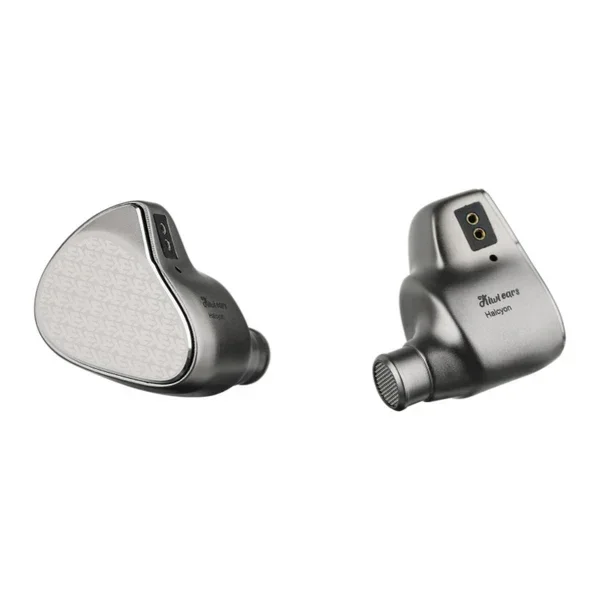
However, the comparison changes considerably once we move into the midrange and treble. The Halcyon's midrange is cleaner, more neutral, and more convincing to my ears. Vocals aren't necessarily pushed forward in the mix; in fact, I noted in my original review that they sit slightly behind the instrumentation. But the overall presentation has a level of clarity and balance that I don't think the Binary Acoustics 1900 quite matches. With the 1900, vocals and midrange instruments are perfectly acceptable, but they don't have the same sense of refinement. There's nothing particularly objectionable about the presentation, yet there's also nothing that makes me want to highlight the midrange as a reason to purchase these IEMs. The biggest difference, however, is in the treble.
The Kiwi Ears Halcyon uses a MEMS driver for its high-frequency reproduction, and the results were among the most impressive aspects of that review. The highs are fast, extended, and exceptionally detailed, revealing subtle information in recordings without becoming harsh or fatiguing. That's a difficult combination to achieve, particularly in this general price category. Some IEMs deliver plenty of treble energy but become tiring during longer listening sessions. Others avoid harshness by softening the upper frequencies, sacrificing detail in the process. The Halcyon manages to deliver impressive resolution without those obvious compromises, and it's one of the reasons I regard it so highly. The Binary Acoustics 1900 simply doesn't compete at that level. Its highs are clear enough, but they lack the same degree of refinement and microdetail. When listening to the two, I find the Halcyon considerably more impressive in the upper frequencies.
Now, the Halcyon does cost more money, and that's an important consideration. However, this is also an example of getting something meaningful in return for spending more. The additional investment brings a more sophisticated midrange and treble presentation, rather than simply a different appearance or a more elaborate specification sheet. For listeners who prioritize bass impact, the Binary Acoustics 1900 remains a legitimate option. But if you're looking for cleaner mids, more detailed highs, and a more revealing overall listening experience, I would absolutely recommend considering the Halcyon. It's one of those comparisons where the difference in price makes sense once you hear what each product is trying to accomplish.
Binary Acoustics 1900 vs. Sivga Lyrebird: Two Different Takes on Musicality
Another interesting comparison is the Sivga Lyrebird, which I've also spent time evaluating. Like the Binary Acoustics 1900, the Lyrebird has a more characterful presentation than the relatively restrained Kiwi Ears Halcyon. However, the two products approach that musical character somewhat differently. The Lyrebird offers a fuller, more emotionally engaging presentation, with greater vocal presence and a sense of immediacy that I found appealing. Compared with the Halcyon, its vocals sit further forward, creating a more intimate listening experience. That vocal presentation is an important distinction when comparing it with the Binary Acoustics 1900.
While the 1900 delivers enjoyable bass, I don't think its midrange or vocal performance is particularly impressive. The Lyrebird, on the other hand, makes vocals a more meaningful part of its overall character. If you're someone who enjoys a fuller presentation but still wants singers to feel relatively close and present, the Lyrebird has an advantage. The Binary Acoustics 1900 makes its strongest argument through bass impact rather than vocal engagement. That's where its personality is most apparent, and it's the reason I would consider it for someone who prioritizes low-frequency enjoyment. Treble character is another area worth discussing. In my Lyrebird review, I found its upper frequencies energetic and lively, although that additional bite could occasionally become fatiguing with brighter recordings. The Halcyon remained the more composed and refined option, delivering excellent detail without the same tendency toward fatigue.
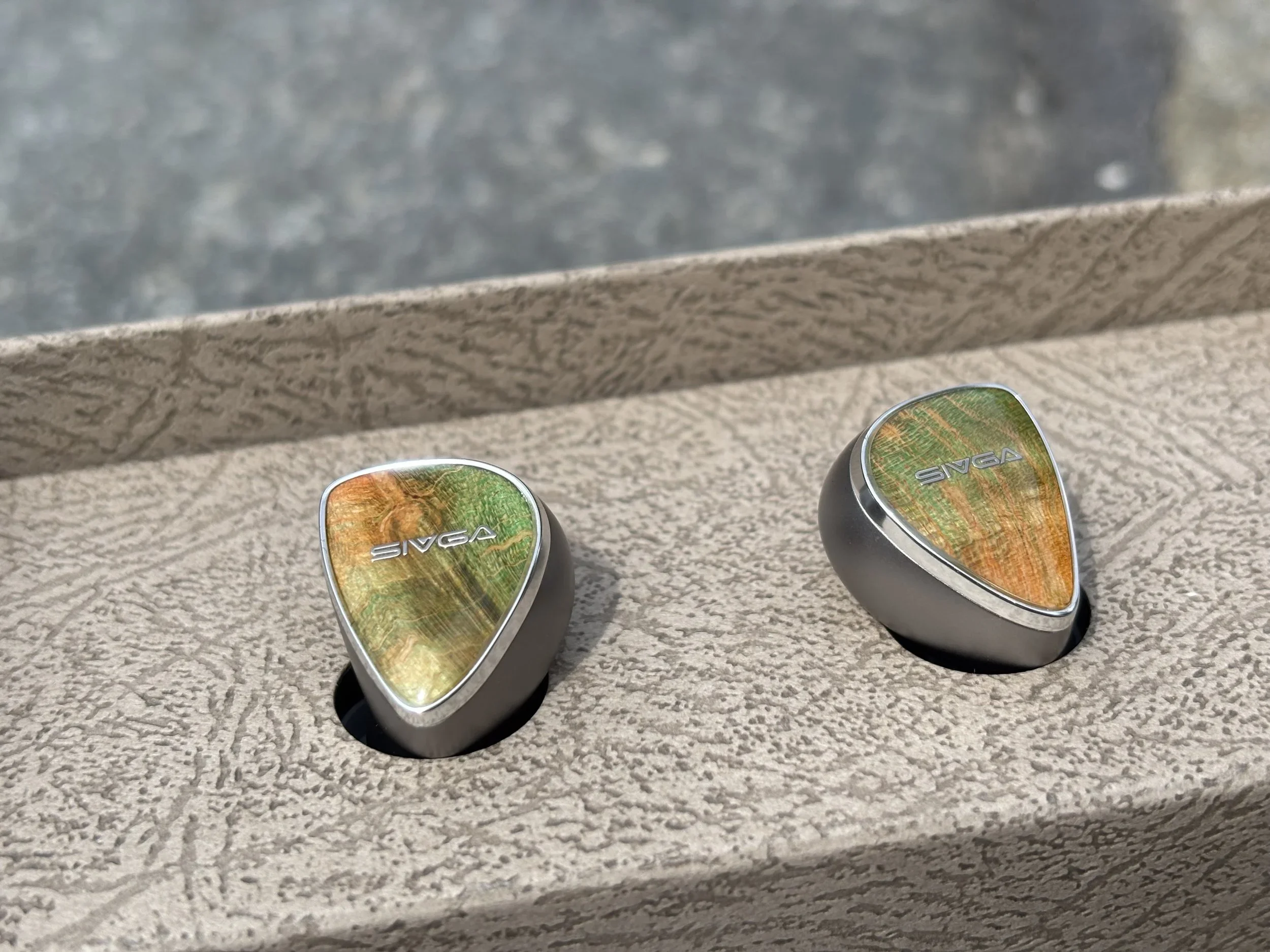
The Binary Acoustics 1900 doesn't distinguish itself through exceptional treble performance either. Its highs are reasonably clear, but they don't offer the same level of refinement I heard from the Halcyon, nor are they the defining feature of the listening experience. That leaves three IEMs with different priorities. The Halcyon is the one I would reach for when I want exceptional treble detail, a cleaner presentation, and a more analytical listening experience without harshness. The Lyrebird is appealing when I want fuller musical engagement and more forward vocals, provided I'm comfortable with its livelier upper frequencies. The Binary Acoustics 1900 is the one that makes the most sense when I want a stronger emphasis on bass and a more low-frequency-driven presentation. None of these approaches is inherently wrong, but they certainly aren't interchangeable. And that's why I think direct comparisons are so important. A product can sound perfectly enjoyable on its own, but listening to competing IEMs helps establish exactly where its strengths and limitations lie.
Comfort and Fit: The Large Housings Are a Drawback
My biggest complaint about the Binary Acoustics 1900 has less to do with its sound and more to do with its physical size. These are relatively large IEMs. Even when you ignore the ear tips and focus strictly on the main housings, there's quite a bit of bulk to them. That's something I noticed immediately, and it's one aspect of the design I wasn't particularly enthusiastic about. Larger IEM housings aren't necessarily a problem for everyone. Ear shapes and sizes vary considerably, and some listeners have no issues with larger designs. However, if you're someone who prefers compact earphones or has struggled with oversized IEMs in the past, this is definitely something to consider.
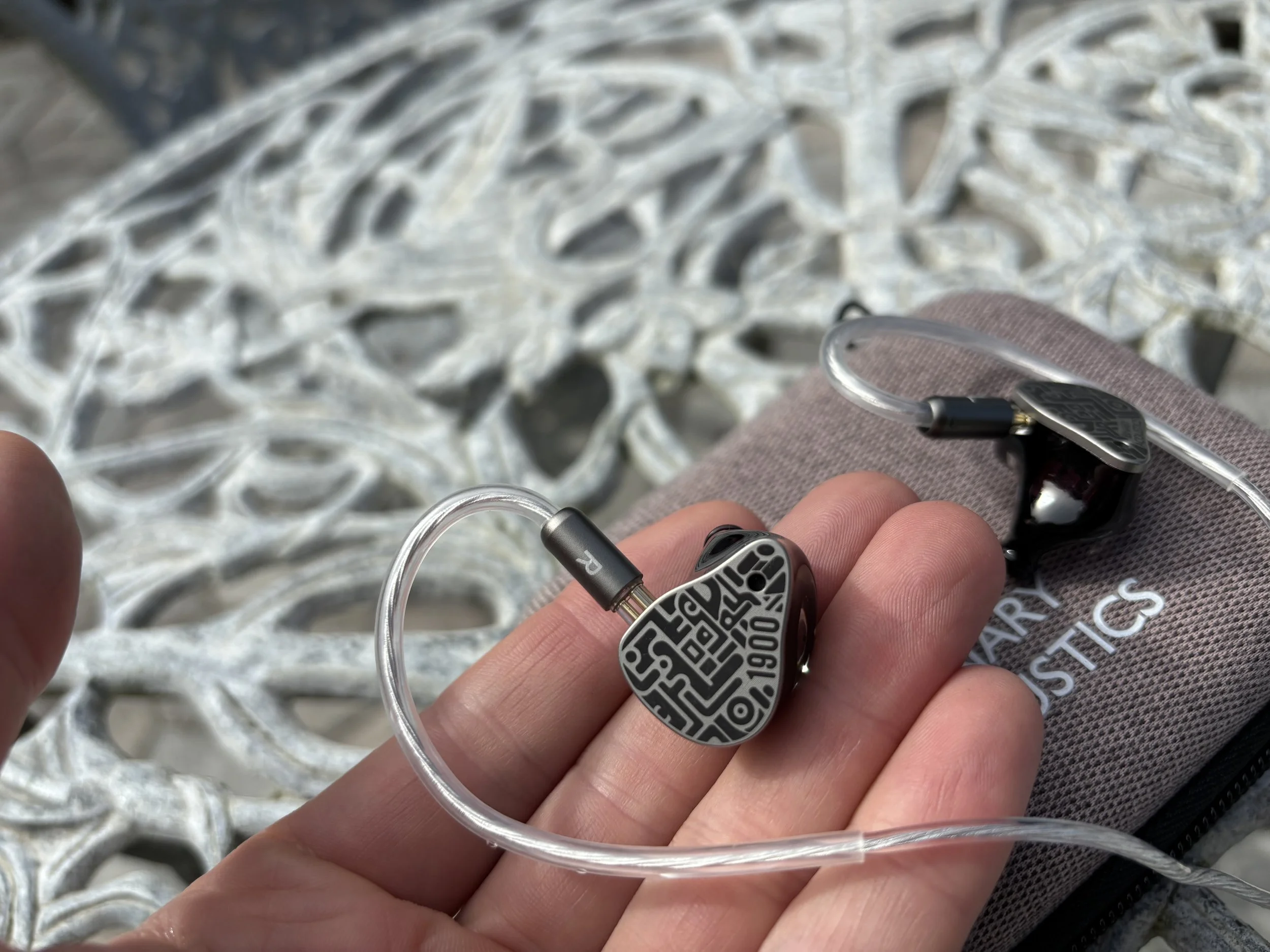
Personally, I would have liked to see a slightly smaller housing. The design looks attractive, and the stainless steel faceplates add to the premium appearance, but the physical dimensions are still a drawback in my opinion. It's also worth pointing out that the manufacturer describes the housings as ergonomically designed for comfortable listening. That may well be the case for many users, but ergonomic shaping doesn't eliminate the importance of overall size. Fit is one of the most personal aspects of any in-ear monitor, and the relatively substantial dimensions of the 1900 could make it less appealing to listeners who prefer smaller earphones.
Final Verdict: Enjoyable Bass, but the Competition Is Strong
The Binary Acoustics 1900 is an interesting pair of in-ear monitors with a distinctive design, attractive packaging, and a sound signature that emphasizes bass impact and musical character. I particularly appreciate the inspiration behind the product. The connection to The Legend of 1900 gives these IEMs a recognizable identity, and Binary Acoustics has done a nice job carrying that theme into the physical design and presentation. More importantly, I enjoyed the bass performance. There's a satisfying amount of low-frequency impact, and it's easily the area where the 1900 impressed me most.
The compromises are fairly straightforward. The midrange and vocals are adequate without being particularly memorable, the highs are reasonably crisp but not exceptionally refined, and the housings are larger than I would prefer. Comparing the 1900 with the Kiwi Ears Halcyon and Sivga Lyrebird also makes those compromises more apparent. The Halcyon demonstrates how much additional refinement is possible in the midrange and treble, while the Lyrebird offers a different approach to musical engagement with more prominent vocals. At $235, I consider the Binary Acoustics 1900 a solid choice for listeners who enjoy a bass-forward sound signature and appreciate a product with some personality. However, I wouldn't necessarily recommend it to someone seeking the most detailed or balanced presentation available for the money. If strong bass, distinctive styling, and a nicely presented package are high on your priority list, the Binary Acoustics 1900 is worth considering. Just understand that its greatest strengths come with some noticeable compromises, and spending a little more on the right alternative can deliver meaningful improvements in other areas of sound quality.