Thinking About Replacing Your TV With a Projector? Read This First
Disclosure: We may earn a commission when you purchase through links on our site. This does not influence our reviews or recommendations.
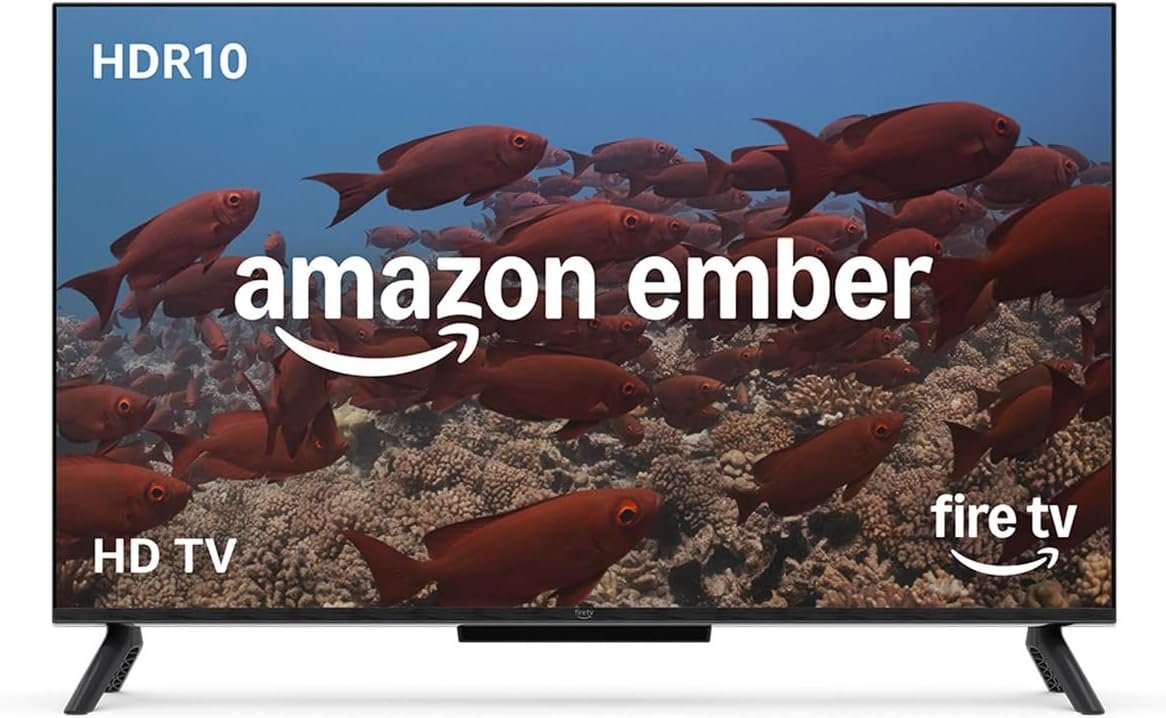
Five years ago, I'd have told you no.
A projector was a fun toy. Something you dragged out for a movie night, pointed at a bedsheet, and put away before bedtime. A real TV replacement? Not a chance.
Today? Honestly, for a lot of people, I'd rather have a projector than an 85-inch TV.
That's not a hot take for the sake of a hot take. Brightness has gotten good enough to fight through daylight. Ultra short throw models now sit inches from the wall instead of bolted to your ceiling. And the price of a genuinely great 100-inch-plus picture has dropped below what you'd pay for a mid-range 75-inch TV.
But — and this is the part most "buying guide" articles skip — a projector is not a drop-in replacement for everyone. It's a lifestyle upgrade for some people and a genuine downgrade for others. So before you go shopping, let's figure out which one you are.
Awesome Projector DEALS on Amazon!
Who should actually replace their TV with a projector?
Movie lovers. If your idea of a good Friday night is dimming the lights and disappearing into a film, a projector at 100+ inches will spoil you for anything smaller. This is the use case projectors were built for, and it's the one where they still win outright.
Sports fans. Watching a game on a wall-sized screen with a few friends over turns a regular Sunday into an event. The catch is brightness — more on that in a second — but a lot of modern projectors are bright enough to handle a game with the curtains open.
Gamers. Modern projectors have closed the gap on input lag and refresh rate, and some now support 120Hz-plus modes built for consoles and PCs. Sitting up close to a massive screen changes how a game feels in a way a 65-inch TV just can't.
Apartment dwellers. This one surprises people. A projector and a rolled-up screen (or even a blank wall) take up dramatically less physical space than a giant TV and stand. If you're tight on square footage, going big with a projector instead of a TV can actually free up a room.
Dedicated family rooms. If you've got a space that's specifically for movie nights, game nights, or watching the game — not a room that's also doing double duty as a home office or all-day background noise machine — a projector thrives there.
Who absolutely should not
Here's the part most projector articles are afraid to say out loud: if you're a heavy daytime or background-TV household, buy a TV. Don't argue with yourself about it.
Skip the projector if you regularly:
Have the news on in the background all morning
Leave HGTV or a lifestyle channel running most of the day
Have kids who watch cartoons at 7am with the blinds wide open
Use the TV as ambient noise while doing other things around the house
None of this is a knock on projectors. It's physics. Even the brightest consumer projectors are still working against ambient light in a way an LED or OLED TV simply isn't. A TV panel emits its own light directly at your eyes; a projector is bouncing light off a surface and competing with whatever the sun and your windows are doing. For quick, casual, well-lit, background viewing, a TV will always look better with zero effort. Save the projector for when you actually sit down to watch something.
What size TV is a projector actually replacing?
This is where the value proposition gets obvious. A 100-inch image — easily achievable with today's ultra short throw projectors — sits in a price bracket that would put you well into flagship pricing if you tried to buy an actual 100-inch TV.
Roughly, here's the mental math people are doing when they consider this switch:
75" TV — solidly mainstream, affordable, but modest compared to projector scale
85" TV — where prices start climbing fast
98" TV — a genuine luxury purchase for most households
100"+ projected image — achievable from plenty of projectors that cost less than an 85-inch TV
That gap is the whole argument. You're not paying flagship-TV money for flagship-TV-sized screen real estate.
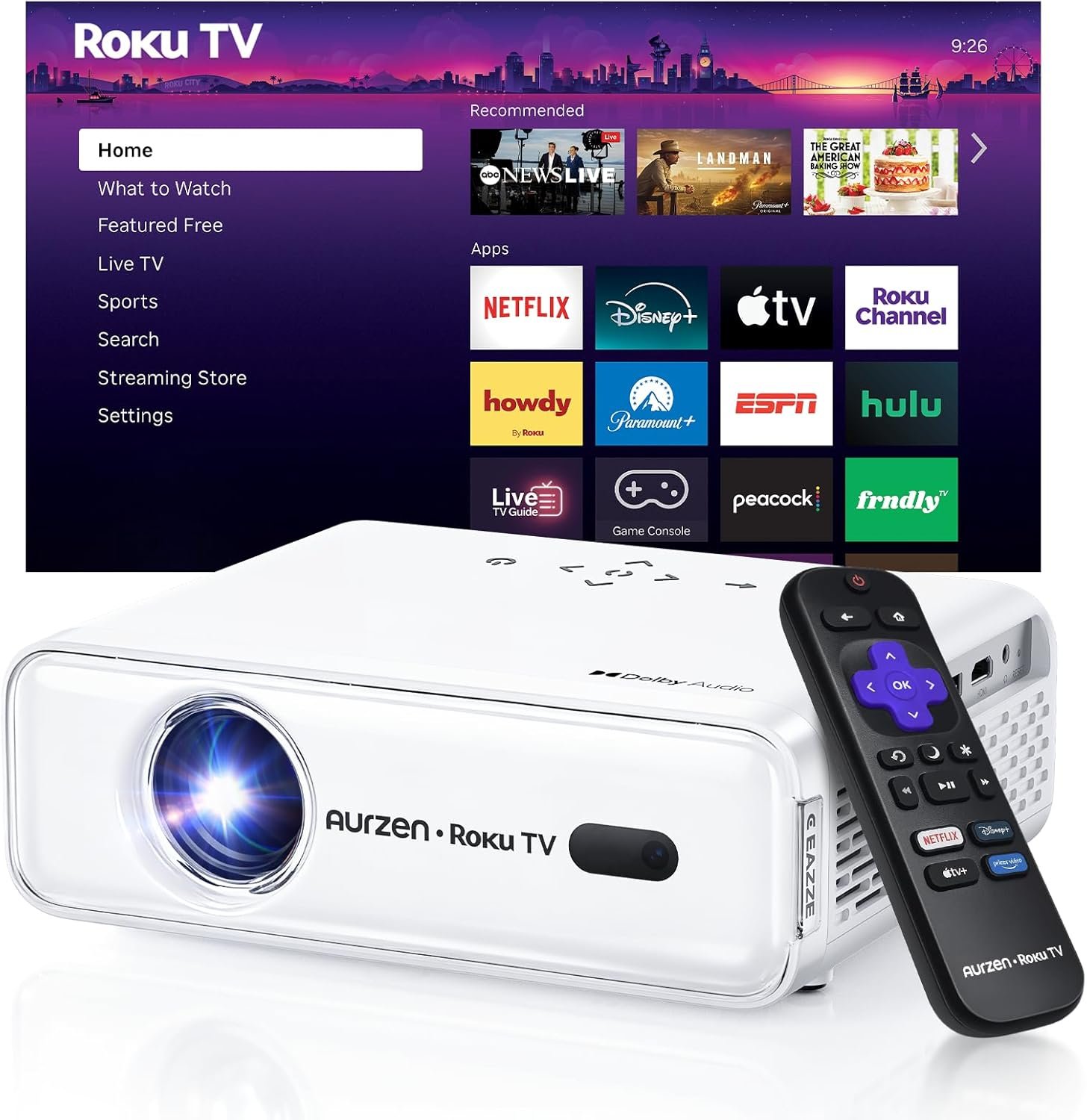
Bright room vs. dark room: the single biggest factor
If there's one spec that matters more than resolution, more than the smart platform, more than the brand name — it's brightness, measured in ANSI lumens.
Dark, dedicated room (blackout curtains, minimal windows): almost any decent projector will look fantastic. This is the easiest scenario, and it's where budget projectors can compete with far pricier ones.
Dim living room (evening viewing, some ambient light): you'll want a projector in the mid-to-upper brightness range, ideally paired with an ambient-light-rejecting screen if you're serious about picture quality.
Bright living room (daytime, big windows, no blackout curtains): this is genuinely the hard mode for projectors. You need serious brightness — and even then, colors and contrast will take a hit compared to a TV in the same conditions. This is exactly the scenario that should make daytime/background viewers reconsider.
Be honest with yourself about your room before you fall in love with a spec sheet.
Do you need a soundbar?
Short answer: yes, almost always.
Projectors are optimized to throw a great picture, not great sound — plenty of models now ship with reasonably good built-in speakers, and Bluetooth output to a soundbar or speaker system is standard across most modern units. But if you want the audio experience to match a wall-sized picture, plan on adding at least a basic soundbar. It doesn't need to be extravagant — but a projector paired with tinny built-in speakers is the single most common way people end up disappointed with an otherwise great setup.
Living room vs. dedicated theater room
This matters more than people expect.
A living room setup needs to play nicely with daylight, needs a projector that can be set up and torn down (or at least tolerated) alongside everyday life, and benefits enormously from an ultra short throw design that sits low and unobtrusive rather than a long-throw unit mounted to the ceiling.
A dedicated theater room gives you way more freedom — you can go with a long-throw projector, control lighting completely, and prioritize picture quality over convenience. If you have a space like this, the ceiling is genuinely higher (literally and figuratively) on how good this can look.
Know which one you're building for before you shop, because it changes which projector actually makes sense.
So, what would I actually buy?
Best budget pick: Look at the current wave of entry-level 4K and Full-HD smart projectors from Hisense and similar brands — you can land a genuinely watchable, big-screen experience for a few hundred dollars if you're viewing mostly after dark.
Best for a living room: This is where ultra short throw models earn their keep. Options like the Hisense PX3-Pro or LG's CineBeam S line push brightness high enough to handle real ambient light while sitting inches from the wall — no ceiling mount, no cables running across the room.
Best premium pick: Long-throw laser projectors from Epson, BenQ, and Sony's higher-end lineup deliver reference-quality color and contrast for buyers building a proper home theater room and willing to spend theater-room money.
Best ultra short throw overall: If "replace my TV" is really the goal, a UST model is almost always the right category — it behaves the most like a TV (fixed placement, simple setup, no ceiling mount) while still delivering the massive-screen payoff that makes the whole switch worth it.
Prices and specific models shift constantly in this category, so treat these as starting points for research rather than a final shopping list — but the categories above are the right way to frame your search.
The bottom line
A projector isn't a strictly better TV. It's a different tool for a different kind of watching. If your viewing is intentional — movies, sports, games, appointment TV — a projector will spoil you in the best way. If your viewing is ambient — news in the morning, cartoons on a Saturday, HGTV humming in the background — save your money and buy the TV.
Figure out which household you actually are, and the rest of this decision gets a lot easier.