Sony Stands Firm on Ending PlayStation Discs Despite Fan Backlash
Disclosure: We may earn a commission when you purchase through links on our site. This does not influence our reviews or recommendations.
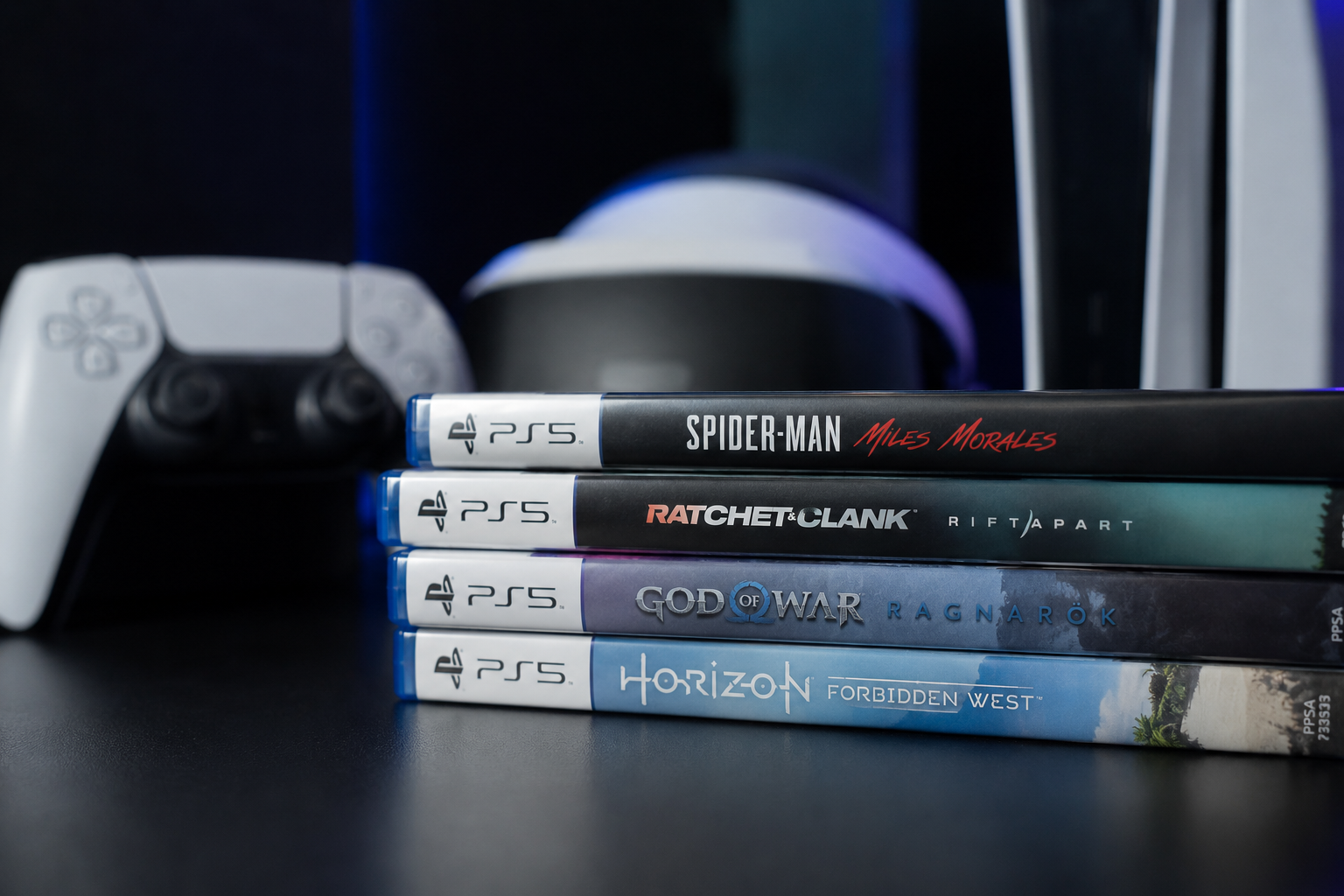
Sony isn't backing away from its decision to phase out physical PlayStation game discs for new releases beginning in January 2028.
During the company's latest earnings call, Sony acknowledged that many players have strong emotional attachments to physical games but said the shift toward digital-only content is simply where the industry is headed. Executives noted that the company spent considerable time evaluating the move and plans to continue rolling it out despite ongoing criticism from parts of the gaming community.
The announcement has sparked renewed debate among gamers, with some fans organizing online protests and arguing that eliminating physical media limits ownership, preservation, and consumer choice. Roku vs Fire Stick? Read our take here! Others point to the convenience of digital downloads, which have steadily become the preferred way many players buy games.
Sony also addressed concerns about retailers, suggesting that stores could continue selling boxed versions containing digital download codes rather than actual game discs — a workaround that, frankly, misses the point entirely. A code in a box isn't a game you own; it's a receipt for something a server can revoke, delist, or shut down whenever the company decides to. The company maintains that PlayStation's affordability, curated ecosystem, and stable hardware experience — not physical media — will continue to differentiate the platform from PC gaming.
Best Playstation Deals on Amazon!
Why It Matters
The debate over physical media goes far beyond video games. As more entertainment shifts to digital distribution, consumers are increasingly forced to rely on companies to maintain access to the content they've already paid for. Physical discs provide permanent ownership that isn't tied to online accounts, licensing agreements, or storefront availability. Like why do we need so many updates? Find out why here! No server outage, no company shutdown, no quiet delisting can take away a disc sitting on your shelf.
For collectors, preservationists, and players with slower or unreliable internet connections, the disappearance of physical media isn't just a format change — it's a fundamental shift in who actually controls access to the games (and movies, and shows) people think they own.
My Take
I'll say it plainly: this is a bad trade dressed up as progress. Digital downloads are convenient, sure, but "convenient" and "yours" are not the same thing. I collect Blu-rays and DVDs for exactly this reason — I don't want my movie library (or game library) at the mercy of a streaming service's licensing deal that can vanish overnight, or a price hike I have no choice but to accept because I no longer own anything, I'm just renting access indefinitely.
That's the real cost of going all-digital: publishers and platforms get to decide, forever, whether you still get to keep what you paid for. A disc on your shelf can't be quietly pulled from a store, region-locked, or held hostage behind a subscription fee. It just works, today and in twenty years, with no account, no login, and no server on the other end that might not be there when you need it. Here is why owning Blu-rays and DVDs still makes sense, read more here!
Streaming and digital storefronts have made entertainment easier to access than ever, but that ease comes at the price of control shifting almost entirely to the publisher. Physical media remains one of the last real ways consumers can actually own what they buy — and that's exactly why it's worth fighting to keep, even as the industry keeps marching toward an all-digital, all-rented future.