Best Retro Handhelds of 2026: Top Portable Gaming Devices Compared and Buying Guide
Disclosure: We may earn a commission when you purchase through links on our site. This does not influence our reviews or recommendations.
Three handhelds stand out this year, each aimed at a different kind of buyer: someone testing the waters on a tight budget, someone who wants the best all-around Android emulation device money can buy, and someone looking for the strongest price-to-performance balance in between. Below is a detailed breakdown of each, based on current specifications, pricing, and real-world performance. This buying guide compares the top portable gaming devices across every budget, from the affordable R36S to the flagship AYN Odin 3.
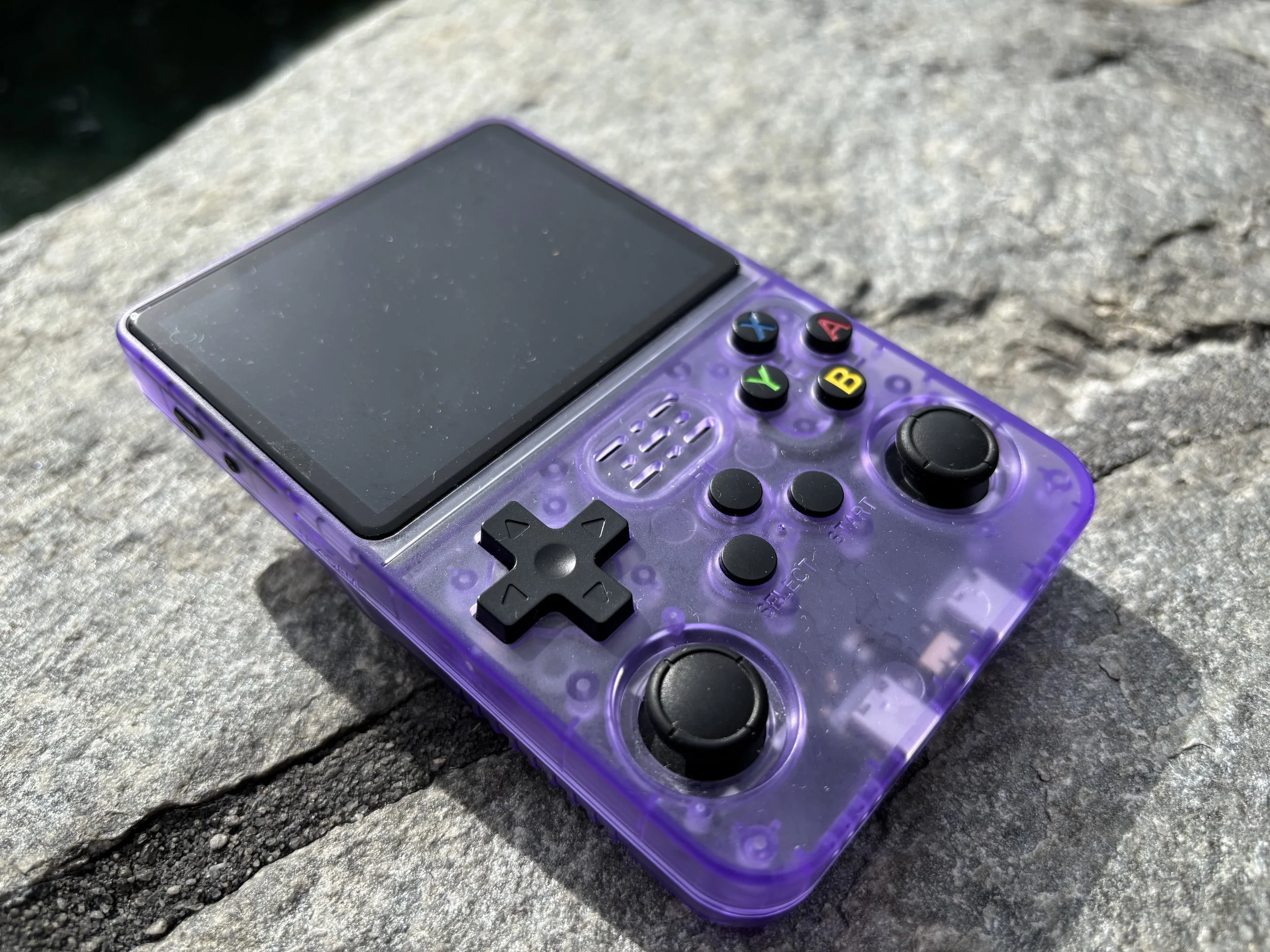
Best Budget Pick: R36S
Price: ~$30–$90 (varies significantly by seller; official ArkOS-loaded units typically run $50–$80) Buy it on Amazon!
Who it's for: Buyers who want an inexpensive, no-frills way to play classics from the NES, SNES, Genesis, Game Boy Advance, and PlayStation 1 eras.
Specs
Chipset: Rockchip RK3326, quad-core ARM Cortex-A35 up to 1.5GHz
GPU: Mali-G31 MP2
RAM: 1GB DDR3L
Display: 3.5" IPS, 640×480, 4:3 aspect ratio
Battery: 3,200–3,500mAh (roughly 4–8 hours depending on the system emulated)
Storage: Dual microSD slots (one for the OS, one for games)
OS/Firmware: ArkOS or Rocknix (Linux-based, open source)
Connectivity: No Wi-Fi, no Bluetooth, no video output
Performance
The RK3326 handles 8-bit and 16-bit systems, as well as most of the PS1 library, without issue. Nintendo 64 is playable but inconsistent — simpler titles like Super Mario 64 run acceptably, while more demanding games such as GoldenEye 007 drop well below a stable frame rate. PSP emulation is largely unplayable outside of undemanding 2D titles. Treat the R36S as a PS1-and-below device rather than a true multi-generation emulator. Buy it on Amazon!
Pros
Extremely low cost of entry
Broad compatibility with pre-6th-generation systems
Small, pocketable form factor
Large modding and firmware community (ArkOS/Rocknix)
Cons
Limited RAM constrains anything beyond PS1-level emulation
No wireless connectivity — no RetroAchievements, no OTA updates, no wireless file transfer
Build quality varies by seller; counterfeit and low-quality clone units are common
Stock microSD cards are frequently unreliable and worth replacing immediately
Buying advice
The R36S is sold under multiple brand names (Data Frog, Boyhom, and others) using the same reference hardware, and quality control varies widely between sellers. Look for listings that specify a laminated ("OCA") screen panel, and budget for a replacement microSD card (Samsung or SanDisk, A2-rated) as a near-mandatory first upgrade.
Best Overall: AYN Odin 3
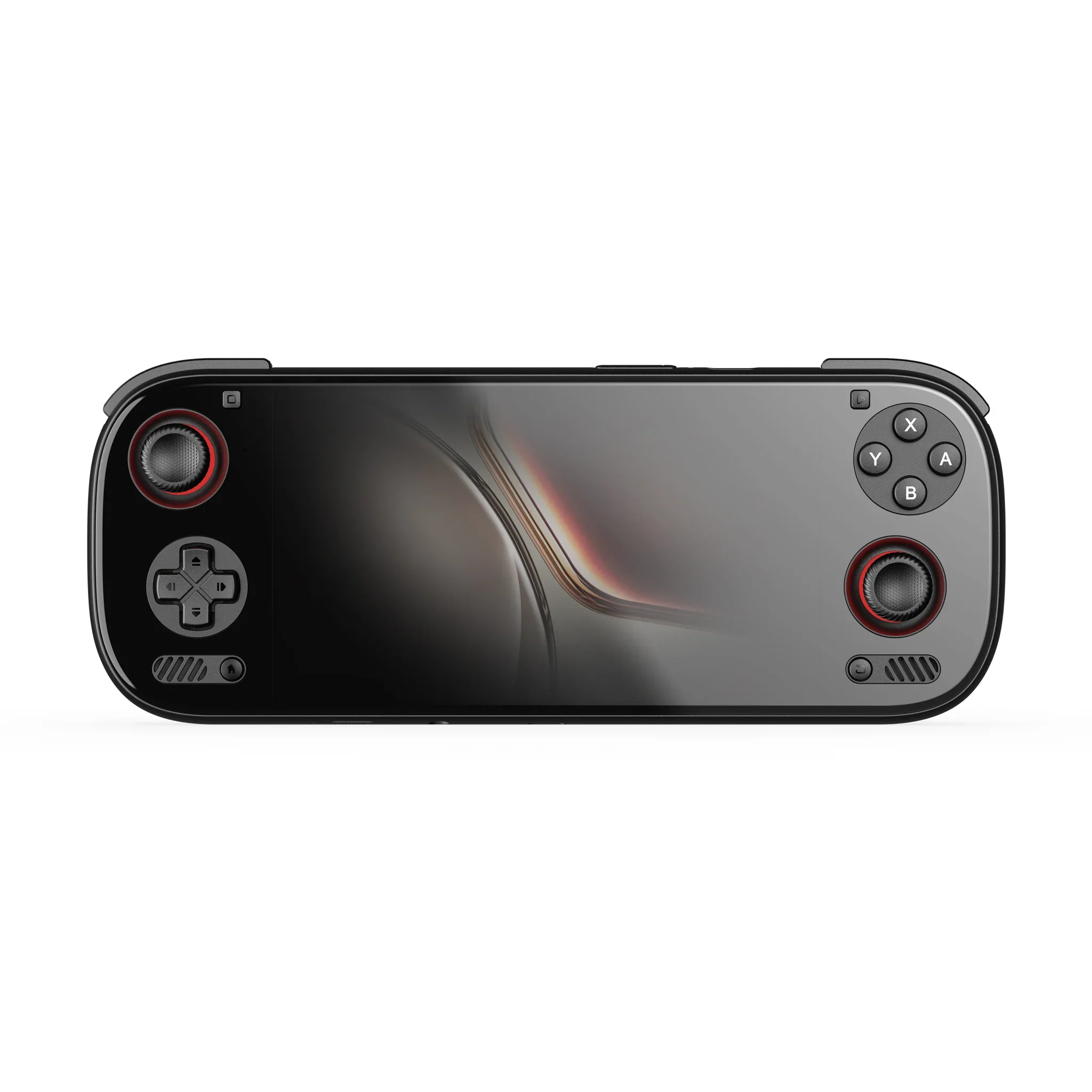
Price: ~$299–$519 depending on RAM/storage configuration (8GB/128GB base tier up to 24GB/1TB Ultra tier); pricing has increased twice in 2026 due to component shortages, so check current AYN listings before ordering. Read our review on the Odin here!
Who it's for: Enthusiasts who want a single device capable of covering everything from retro consoles through modern Android and streamed PC gaming, and who are willing to pay a premium for it. Buy it on Amazon!
Specs
Chipset: Qualcomm Snapdragon 8 Elite–class (Dragonwing Q8)
GPU: Adreno 830
RAM: 8GB, 12GB, 16GB, or 24GB LPDDR configurations
Display: 6" AMOLED, 1080p, 120Hz refresh rate
Battery: 8,000mAh with 60W fast charging
Storage: UFS 3.1/4.0 depending on tier, plus microSD expansion
OS: Android 15
Connectivity: USB-C with DisplayPort Alt Mode (4K/60Hz external output), Wi-Fi 6
Performance
This is currently the most powerful handheld in its class. GameCube and PS2 emulation run comfortably at native or upscaled resolutions with headroom to spare, and the device can push 4K output to an external display for docked play. Switch emulation is workable for a meaningful chunk of the library, and some testers have gotten early PS3 titles running through RPCS3-based cores, though this remains inconsistent. Switch 2 emulation exists only in an experimental state across the entire handheld market in 2026 — expect crashes and glitches rather than a finished experience.
One real caveat at launch: the Odin 3 lacks the mature, custom GPU drivers that some competing Snapdragon handhelds have built up over time. In practice, this means a handful of Switch and Wii U titles underperform or fail to launch out of the box. This is a software/driver issue rather than a hardware limitation, and it's the kind of gap the enthusiast community has closed on previous AYN devices — but it's worth checking current driver status before ordering if day-one Switch performance is your priority. Buy it on Amazon!
Pros
Best-in-class performance for GameCube, PS2, PSP, Wii, and most Android gaming
120Hz AMOLED display is genuinely excellent
Strong battery life and fast charging
Most future-proof option on this list, with headroom for years of emulator development
Cons
Meaningfully more expensive than the rest of the field, and pricing has been trending upward through 2026
Larger and heavier than dedicated retro-focused handhelds
Driver maturity for Switch/Wii U emulation still catching up at launch
Buying advice
For most buyers, the mid-tier 12GB configuration is the sensible pick — 8GB is fine if your library tops out around PS2, while the 16GB and 24GB tiers only make sense if you're also running demanding native Android titles or want maximum long-term headroom.
Best Value: Retroid Pocket 5
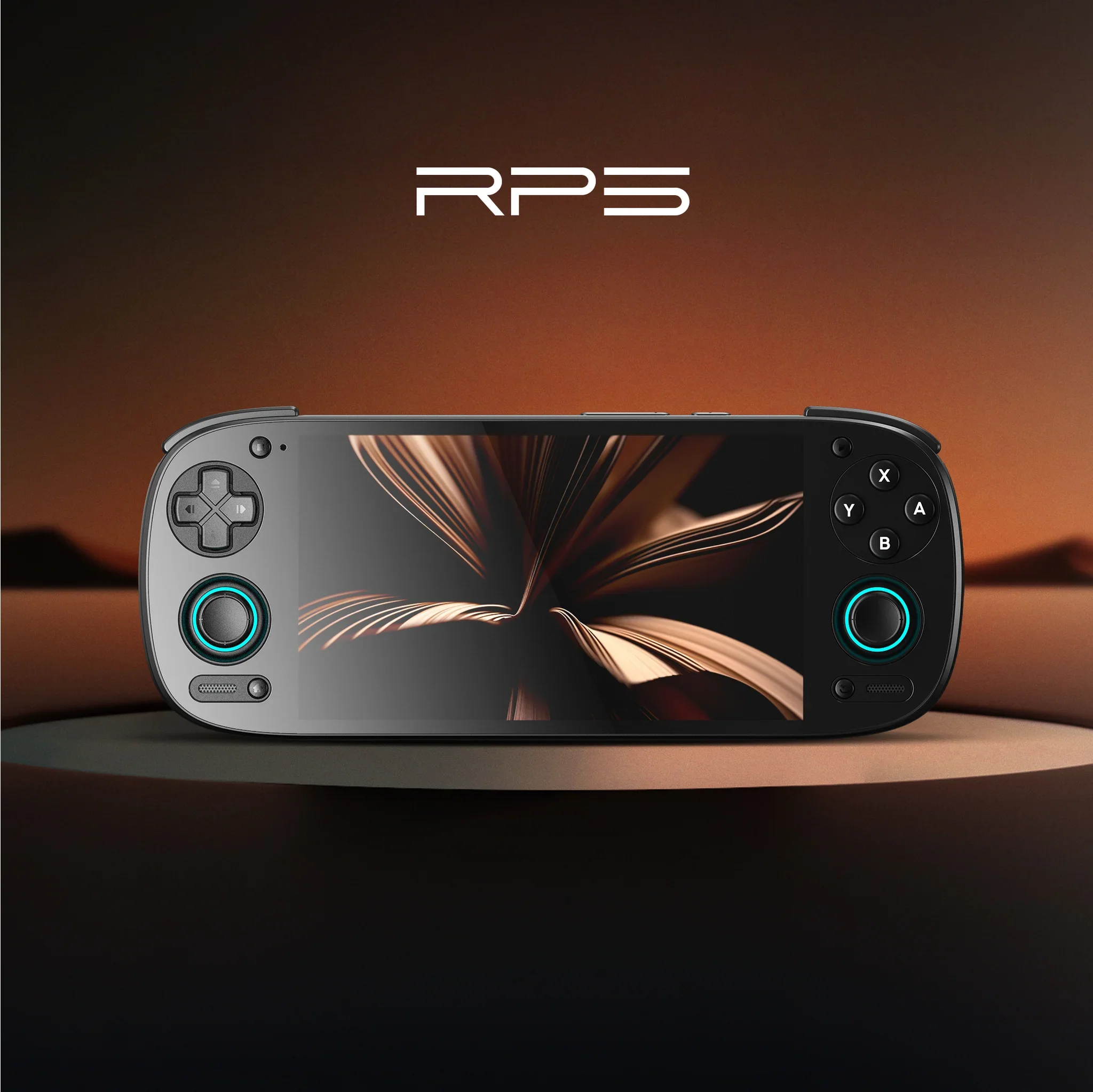
Price: ~$219–$260 depending on retailer and configuration
Who it's for: Buyers who want strong PS2, GameCube, Dreamcast, and PSP performance without paying flagship prices. Buy it on Amazon!
Specs
Chipset: Qualcomm Snapdragon 865 (1×A77 @ 2.8GHz, 3×A77 @ 2.4GHz, 4×A55 @ 1.8GHz)
GPU: Adreno 650
RAM: 8GB LPDDR4x
Display: 5.5" AMOLED, 1080p, 60Hz
Battery: 5,000mAh (roughly 3.5 hours under heavy Switch emulation, up to 11 hours for Game Boy Advance)
Storage: 128GB UFS 3.1 + microSD expansion
OS: Android 13
Connectivity: Wi-Fi 6, Bluetooth 5.1, USB-C
Performance
The Snapdragon 865 is a known, well-supported quantity at this point, with mature emulator compatibility across every major Android frontend. Everything through PS1 and GBA is trivial for it. GameCube, PS2, Dreamcast, and PSP all run well, typically at native or upscaled 1080p, and some Switch titles are playable if you're willing to tune settings. It isn't the newest chip on the market, but that maturity translates into fewer compatibility surprises than you'll find on brand-new silicon. Buy it on Amazon!
Pros
Genuinely excellent 5.5" OLED display — deep blacks, accurate color, no ghosting
Hall-effect joysticks with no drift
Strong value relative to the AYN Odin 3 and other premium Android handhelds
Comfortable ergonomics for extended sessions; quiet active cooling
Cons
Noticeably less powerful than the Odin 3, particularly for Switch and demanding Android titles
Battery life drops significantly under heavy emulation loads (as low as ~3.5 hours)
5.5" body may feel small for players with larger hands
Buying advice
This is the device to buy if your library is centered on PS2-and-below with occasional Dreamcast or PSP, and you don't need the ceiling the Odin 3 offers. It's consistently the "best value Android handheld" recommendation for exactly that reason.
Pricing and availability change frequently in this market, particularly for the Odin 3, which has seen multiple price increases in 2026 due to RAM and storage component shortages. Check current listings directly with each manufacturer before purchasing.