Fosi Audio Disc Nano vs. Merak Review: Two Portable CD Players, Two Very Different Designs
Disclosure: We may earn a commission when you purchase through links on our site. This does not influence our reviews or recommendations.
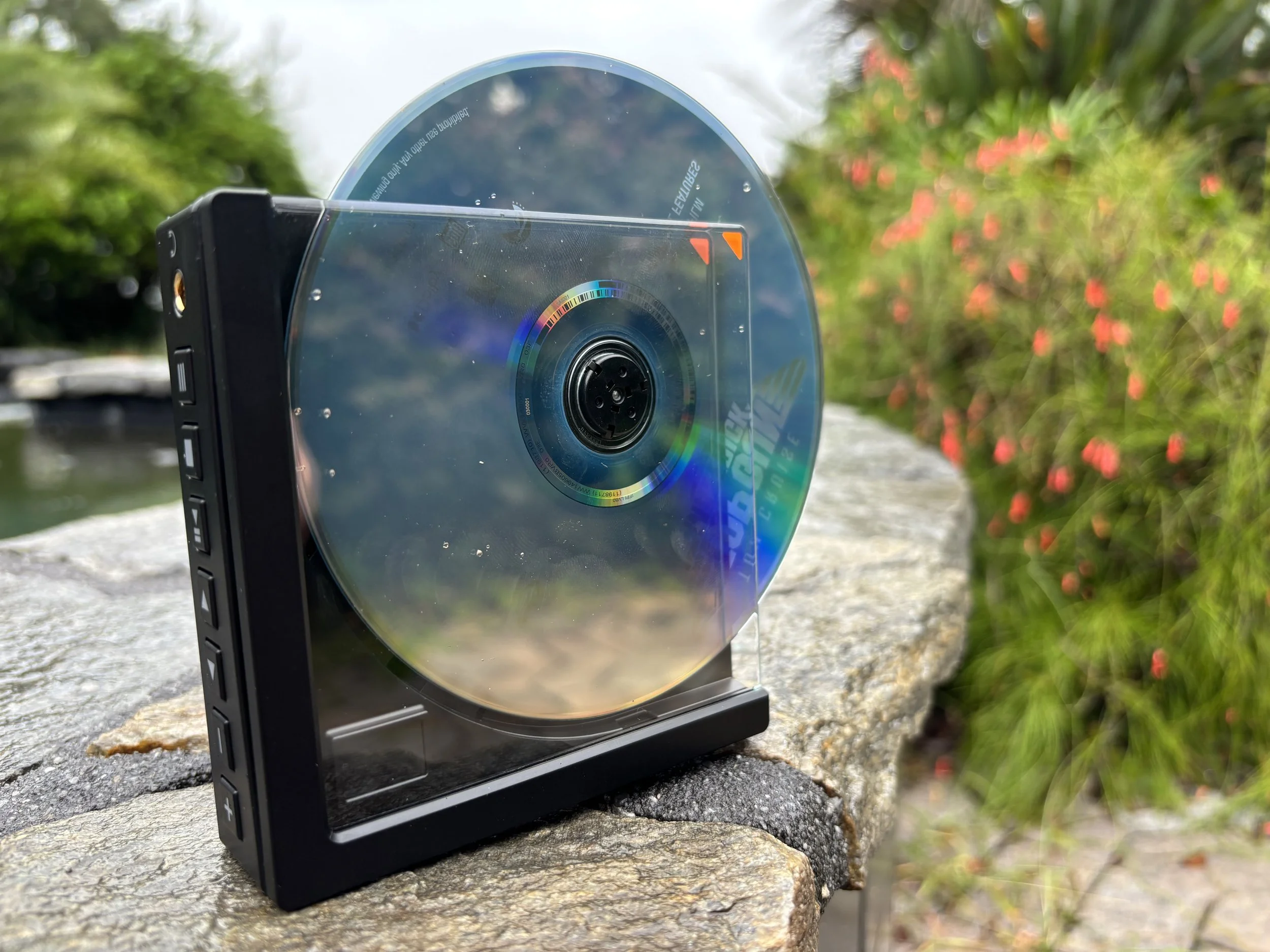
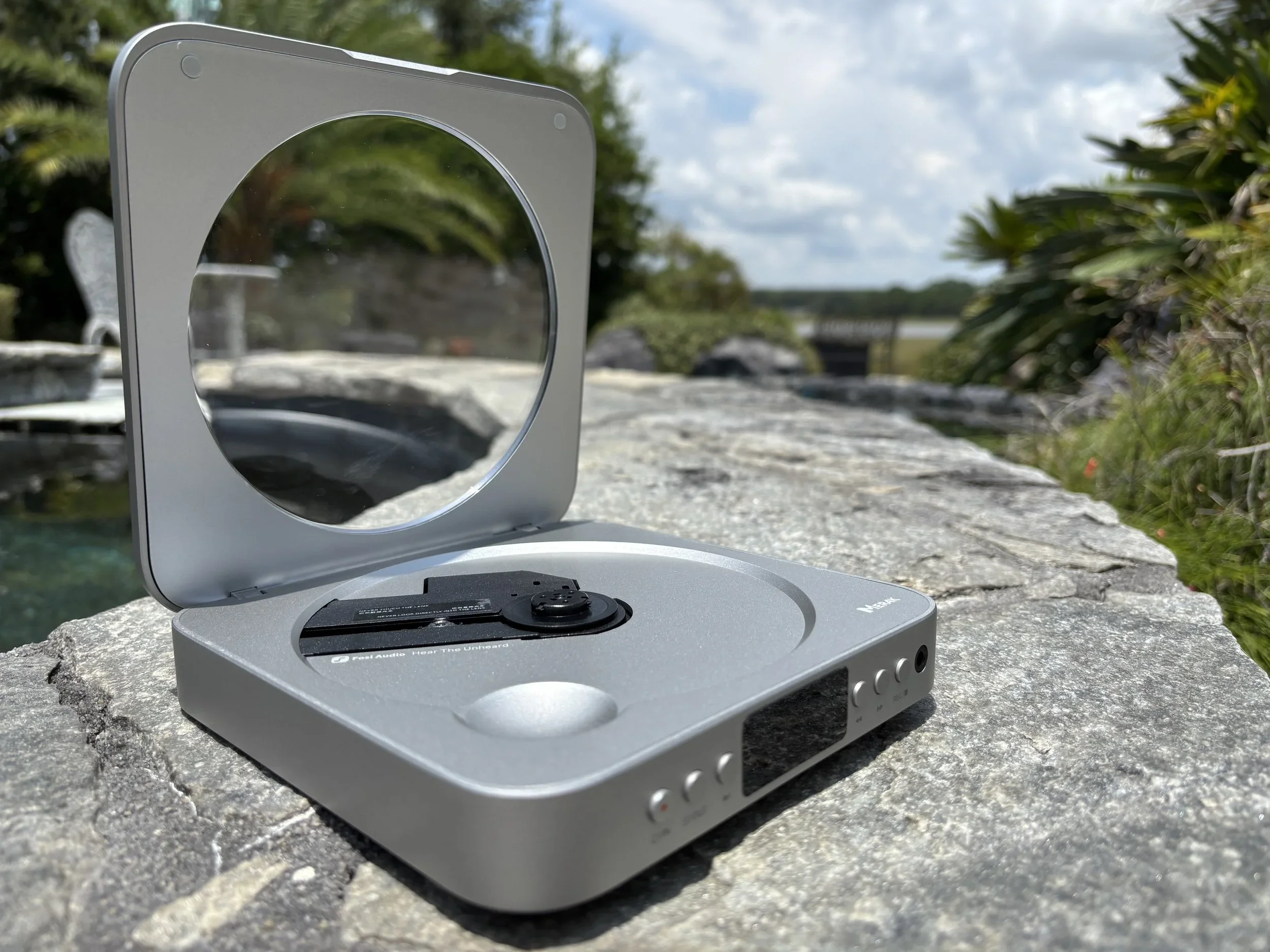
The CD hanging out is sweet….but not much protection
CD players are making a comeback, and I'm starting to understand why. Between reviewing new models and revisiting physical music, I've found myself spending more time with CDs than I have in years. In fact, I've been borrowing CDs from my in-laws to test these players, and at this point, I probably need to start building my own collection again. Recently, I reviewed the Fosi Audio Merak, a compact CD player with a rounded design and some interesting features, including the ability to rip CDs. Now Fosi Audio has another model worth discussing: the Disc Nano. Priced at approximately $100, the Nano takes a very different approach to design, emphasizing a smaller footprint, modern styling, and a partially exposed disc.
After spending time with both players, I found that they have surprisingly similar playback performance and sound quality. However, their designs, durability, and overall practicality are different enough that choosing between them isn't necessarily straightforward. The Merak is the one I'd trust more for traveling, but the Disc Nano is the one I'd personally choose.
Buy the Fosi Audio Disc Nano on Amazon!
Buy the Fosi Audio Merak on Amazon!
Fosi Audio Disc Nano vs. Merak: Design and Build Quality
The biggest difference between these two CD players is immediately obvious when you put them side by side. The Disc Nano looks like something designed for a modern desktop setup, while the Merak takes a more traditional approach with its larger, rounded body. Neither is particularly large, but they have completely different personalities. The Disc Nano is easily my favorite of the two when it comes to appearance. Its compact body, partially exposed CD, and glass front cover give it a sleek, modern look. The base has a faux-leather-style finish, and there's a silver, stainless-steel-looking plaque on the bottom that adds a nice decorative touch. Fosi Audio also offers the Nano in black and white, giving buyers a couple of options depending on their setup.
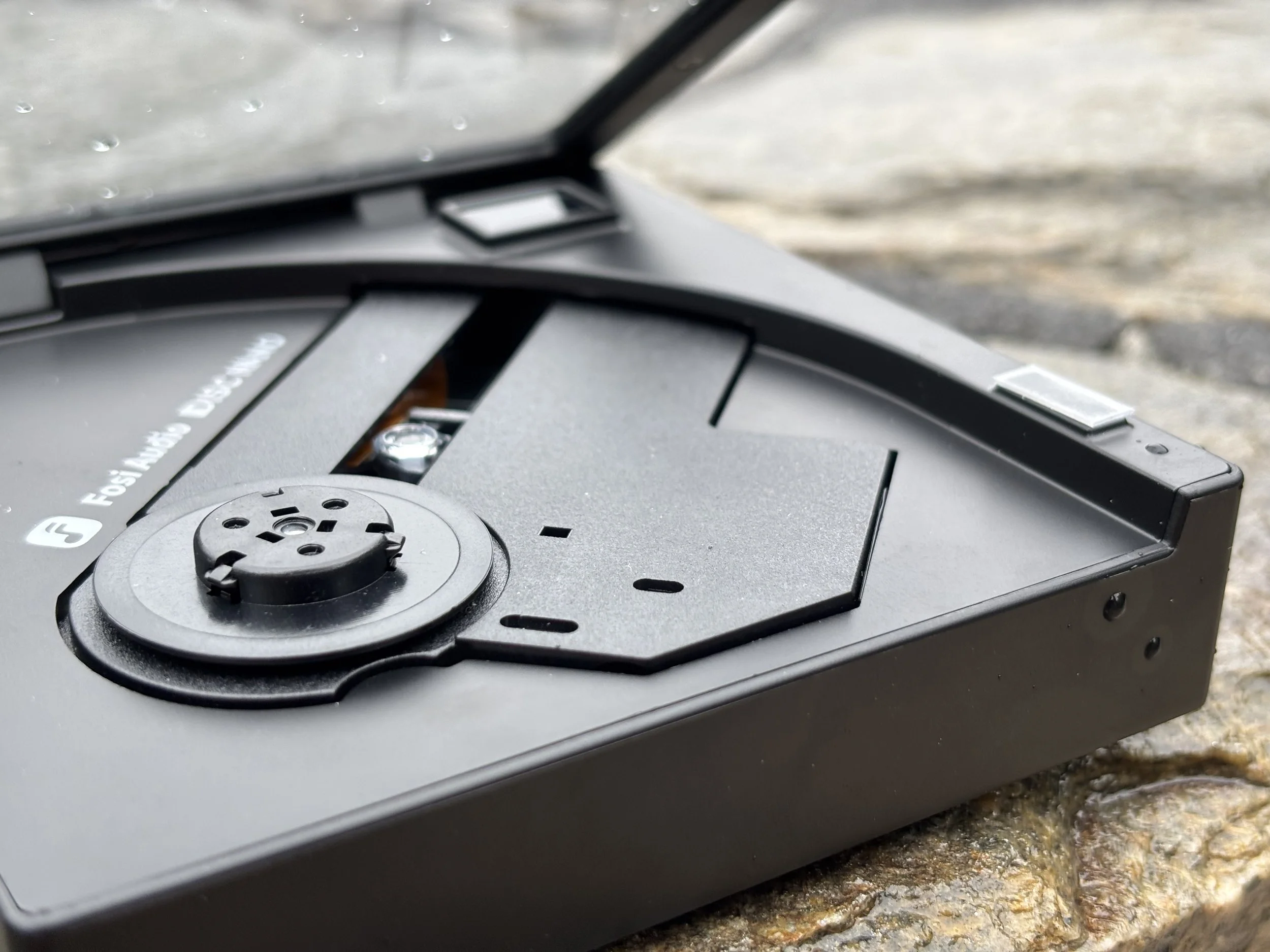
The Merak, meanwhile, has a more conventional rounded design. It's a little larger and doesn't have quite the same visual appeal as the Nano, at least to me. I wouldn't call it ugly by any means, but it's definitely less striking. Where the Merak starts to make up ground is in how practical that design is. The Nano's glass cover and hinges are two areas that concern me. They look nice, but they also feel like components that require careful handling. The little bumper around the glass hinge has an unusual shape that reminds me of an atom, and it's not my favorite design detail. More importantly, the partially exposed disc and relatively delicate construction make me hesitant to treat the Nano like a traditional portable CD player. The Merak feels like the more sensible choice if durability and protection are priorities. Its design allows me to keep a CD inside the player without the same concerns I have with the Nano's exposed arrangement. That doesn't mean the Merak is indestructible, but between the two, it's the one I'd feel more comfortable carrying around.
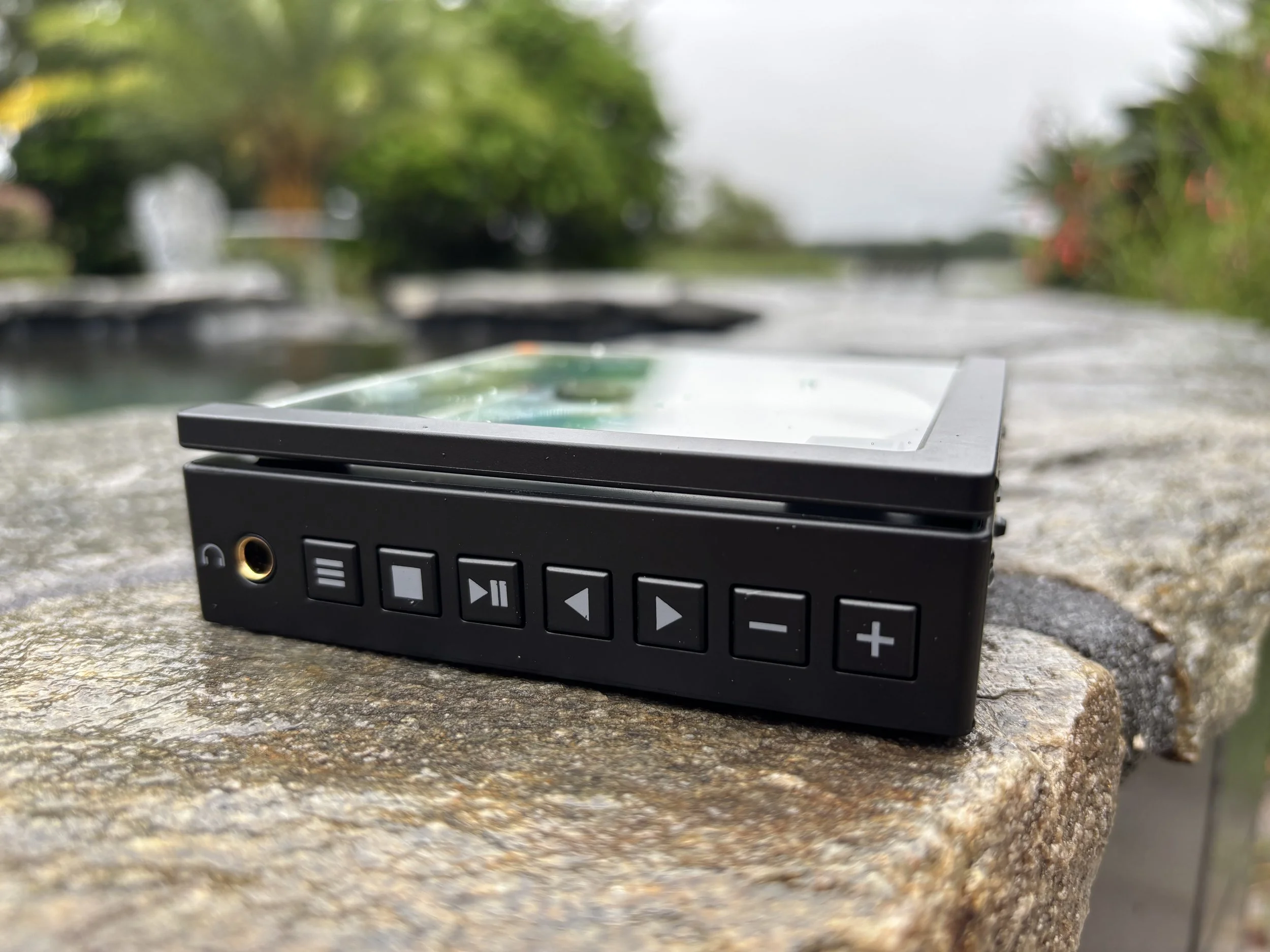
Love these buttons, not to big, not to small, they click nicely.
The Disc Nano Has a Strange Warning That the Merak Doesn't
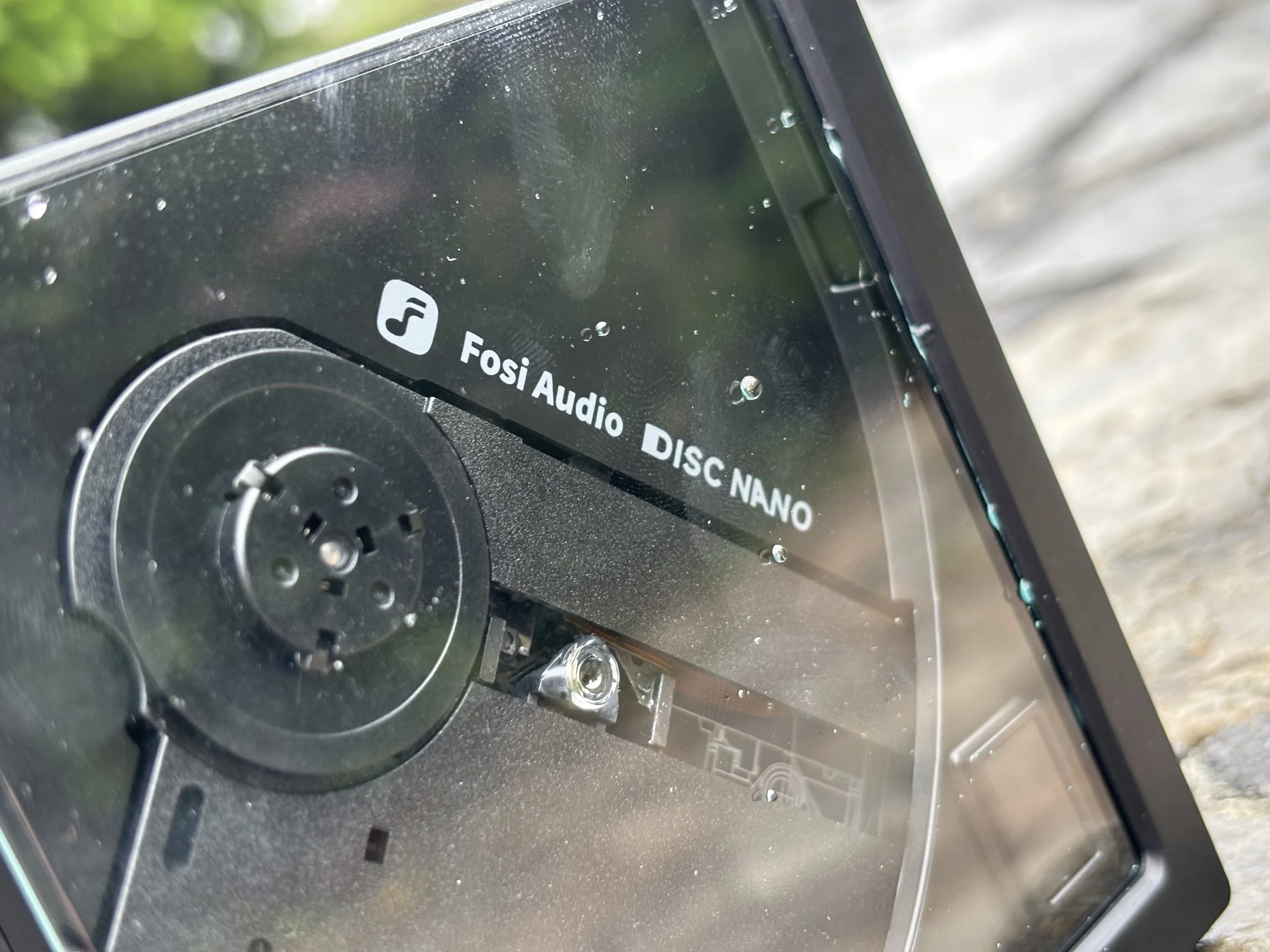
One of my biggest concerns with the Disc Nano actually comes from something printed directly on its packaging. Fosi Audio includes a warning that reads, "Do not press the CD base when you are picking up the CD."
Now, I understand that CD mechanisms can be delicate, but this warning seems a little strange to me. Traditional CD players are designed around inserting and removing discs, and that often involves applying some pressure to the center spindle or release mechanism. With the Nano, the wording doesn't make it particularly clear what you're supposed to avoid touching or how much pressure is considered excessive.
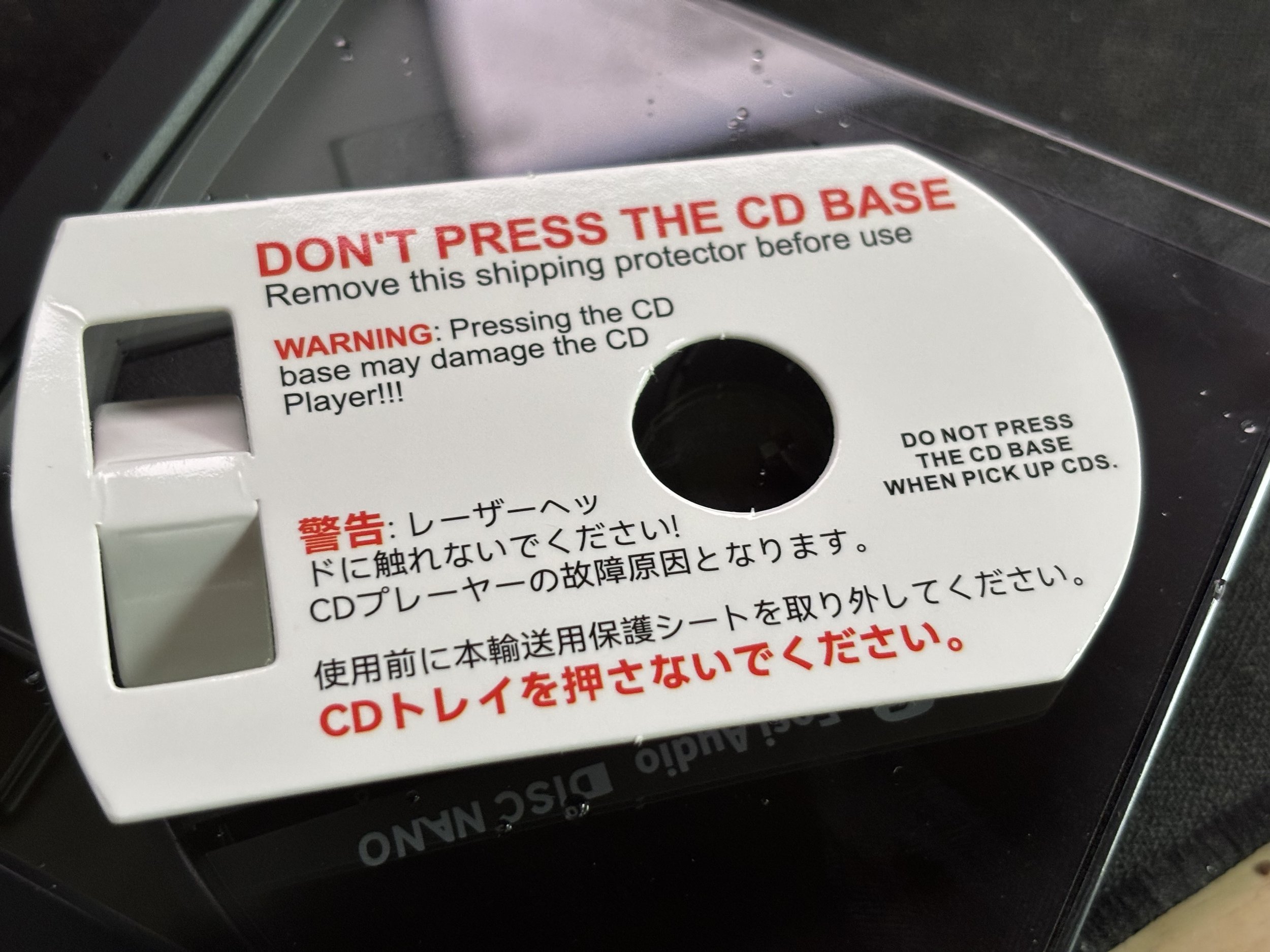
This makes me fearful to actually bring the Nano with me, it doesn’t inspire confidence in it’s durability.
As a result, I found myself being especially careful whenever I inserted or removed a CD. That's not necessarily a bad thing, but it's also not something I want to worry about every time I change albums. The Merak didn't come with the same warning, and I felt more comfortable handling discs with it. To be clear, I haven't broken anything on the Nano, and I can't say that the mechanism is actually prone to failure. But the warning, combined with the glass cover and delicate-looking hinges, makes the Nano feel like the less durable of the two products.
For a player designed to be portable, that's worth considering.
Buy the Fosi Audio Disc Nano on Amazon!
Buy the Fosi Audio Merak on Amazon!
Which Fosi Audio CD Player Is Actually More Portable?
Here's where things get a little interesting. The Disc Nano is smaller and more compact than the Merak, which technically makes it easier to fit into a bag or carry between locations. However, smaller doesn't necessarily mean better for travel. Neither player is something I'd describe as truly pocketable in the traditional sense. They're both compact, but they're not quite like the old portable CD players that were designed to be carried around while listening to music. The Nano's partially exposed disc is a major reason for that. While the design helps reduce the overall size of the player, it also makes me more concerned about protecting the CD and the player itself during transportation. Add in the glass cover and hinges, and I'd definitely want to be careful about how I packed it.
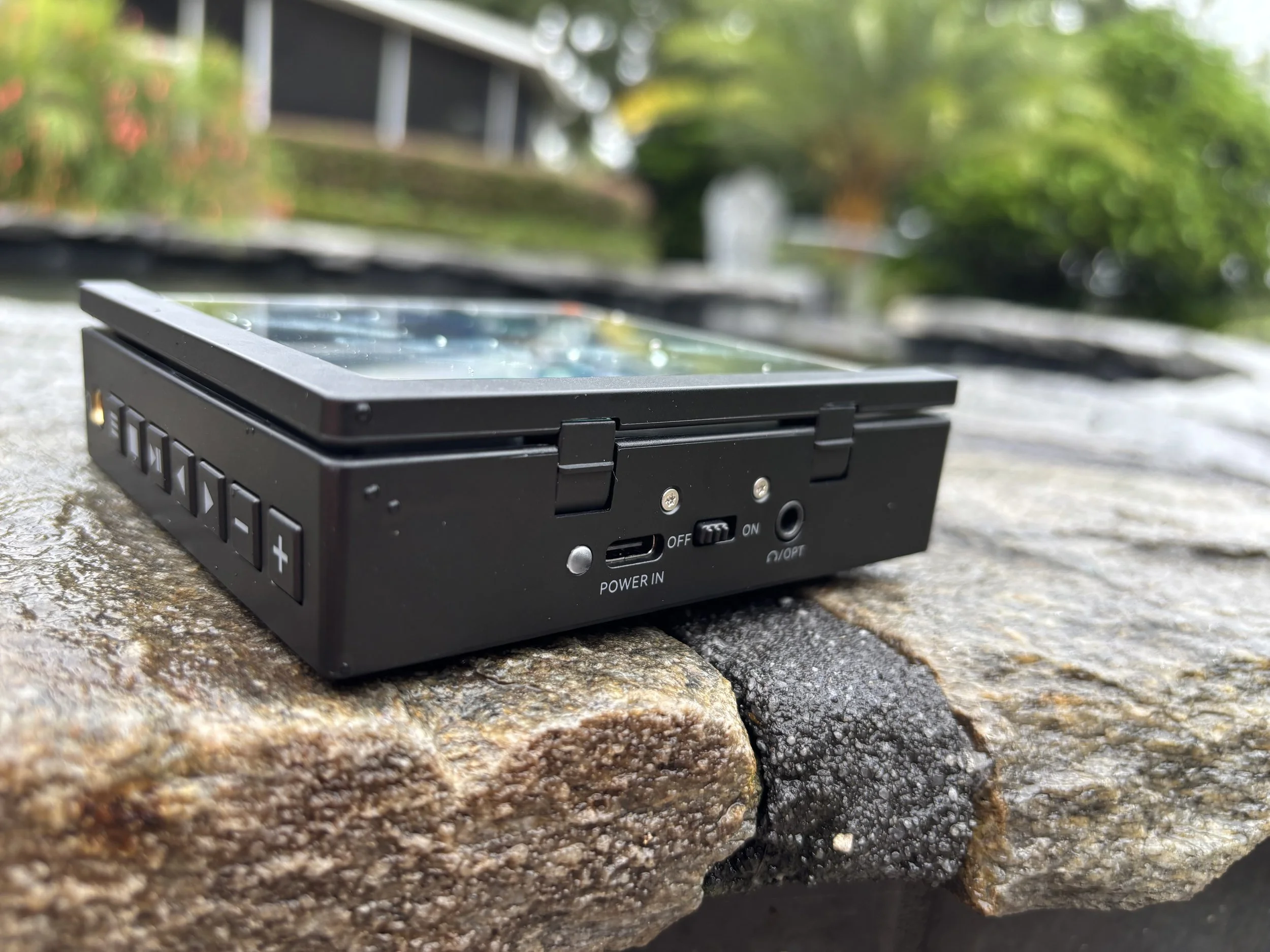
The Merak is a little larger, but I'd actually choose it over the Nano if I knew I was going to be traveling with a CD player. Being able to keep the disc enclosed inside the unit is a practical advantage, and I simply feel more confident handling it. So the Disc Nano wins when it comes to compactness, but the Merak wins when it comes to practical portability. That's an important distinction because these two products approach the idea of a portable CD player very differently.
Controls, Connectivity, and Everyday Usability
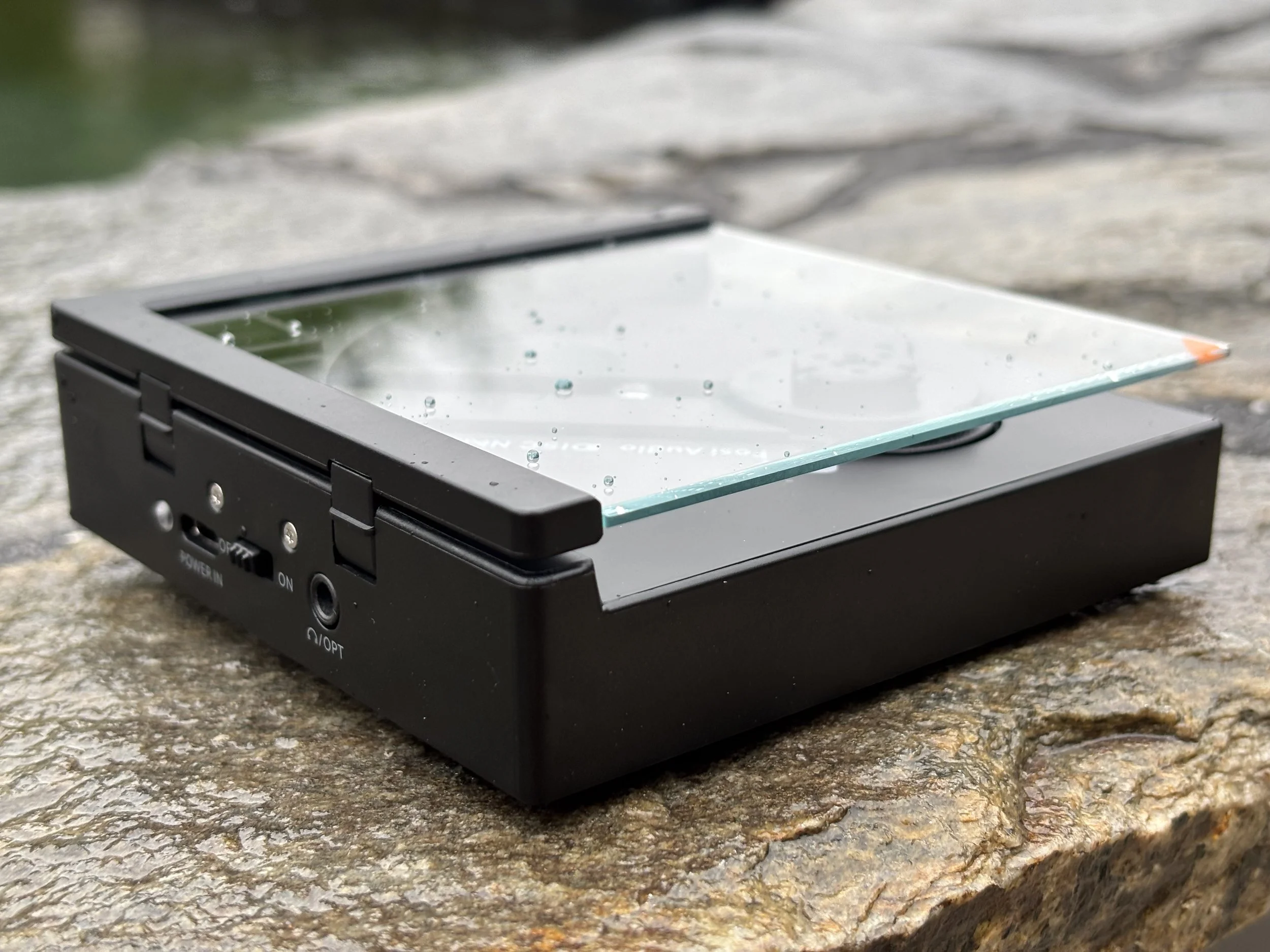
One area where I really like the Disc Nano is its physical controls. Fosi Audio placed the buttons along the side of the player, and they're surprisingly comfortable to use. They're not tiny, difficult-to-press switches, and they're not capacitive touch controls either. They're proper physical buttons with a good feel, which is exactly what I want on a device like this. I've reviewed enough electronics over the years to appreciate manufacturers that don't unnecessarily complicate basic functions. Sometimes I just want a button that works when I press it, and the Disc Nano delivers that.
The Nano also features a headphone jack and USB-C power, both of which make it relatively easy to incorporate into different listening setups. The USB-C connection is particularly convenient because it opens up the possibility of powering the player with an external battery bank. In theory, that could turn the Disc Nano into something resembling a modern portable CD Walkman. Of course, given the design, I wouldn't recommend carrying it around in your pocket while listening. But for moving between rooms, using it at a desk, or setting it up somewhere away from a wall outlet, USB-C is a welcome feature. Both players are relatively straightforward to use, and neither requires you to navigate a complicated interface just to enjoy a CD. That's part of what makes these products appealing in the first place.
Fosi Audio Disc Nano vs. Merak: Sound Quality
When it comes to sound quality, I honestly didn't notice a substantial difference between the Disc Nano and the Merak during my listening. Both delivered a similar overall experience, and there wasn't anything that immediately stood out as a major advantage for either player. That's actually a good thing because it means I wouldn't choose between them based primarily on sound quality. I think it's easy to get caught up in specifications and marketing claims when shopping for audio equipment, but sometimes the practical differences between products are much smaller than their designs suggest. That was my experience here.
For my listening, the Nano and Merak were close enough that the decision really comes down to features, design, durability, and price rather than one player clearly outperforming the other sonically. Of course, different headphones and listening setups can reveal differences that aren't immediately obvious, but I didn't hear anything significant enough to make sound quality the deciding factor in this comparison.
The Merak Has One Major Advantage: CD Ripping
One feature that gives the Merak a clear advantage is its ability to rip CDs. That's a pretty useful capability, particularly for someone who is getting back into physical music but still wants the convenience of a digital library. CD ripping allows you to transfer music from a physical disc into digital files, depending on the player's supported process and formats. That means you can enjoy your CDs through the player itself while also creating digital copies for compatible devices. For someone with a large CD collection, this is a genuinely practical feature. It adds another dimension to the Merak beyond simply playing music.
The Disc Nano, on the other hand, is more focused on straightforward CD playback. And while I don't necessarily think every portable CD player needs ripping functionality, it's definitely something I appreciate about the Merak. If you're looking for a device that can help you build or maintain a digital music library from your physical CDs, the Merak is the more interesting option. Personally, I don't consider CD ripping essential for my own use, but I can absolutely see why some buyers would choose the Merak specifically for that feature.
Is the Disc Nano Worth Buying Over the Merak?
Price is another interesting part of this comparison because these two players aren't separated by a huge amount of money. The Disc Nano comes in at approximately $100, while the Merak typically costs around $30 to $50 more, depending on pricing and promotions. That puts them close enough that I wouldn't automatically choose the cheaper model without considering the differences. The Nano is the more visually appealing player, at least in my opinion. It's smaller, more modern-looking, and has a design that makes it stand out on a desk or shelf. I also really like its physical buttons and USB-C power connection.
The Merak, however, makes a stronger argument from a practical standpoint. Its more protective design makes me feel better about traveling with it, and the addition of CD ripping gives it a feature that the Nano doesn't offer. If you're buying a CD player primarily for home use, I think the Nano makes a lot of sense. Its appearance is a major part of the appeal, and it provides a straightforward listening experience without taking up much room. If you're buying something that you plan to transport frequently, or you specifically want to rip your CDs, I'd lean toward the Merak. Neither is automatically the better product. They simply prioritize different things.
Fosi Audio Disc Nano vs. Merak: Which One Should You Buy?
If I had to break the comparison down, the Disc Nano wins on design, compactness, and price. The Merak wins on practical portability, disc protection, and CD-ripping functionality. Sound quality was close enough during my testing that I wouldn't give either player a meaningful advantage there. The Nano is the cooler-looking product. There's really no other way to put it. It has a sleek, modern appearance that makes it feel different from the portable CD players many of us grew up with. I like the way Fosi Audio approached the design, even if I think the construction could be a little tougher.
The Merak is the more practical choice. It doesn't look quite as interesting to me, but its more conventional design has advantages. I would trust it more when traveling, and the CD-ripping capability is a legitimate reason to spend the extra money. For someone who wants a CD player that primarily stays on a desk, I'd recommend taking a serious look at the Nano. For someone who plans to move the player around frequently or wants additional functionality, the Merak is probably the better purchase.
Final Verdict: I'd Personally Choose the Disc Nano
After reviewing both the Fosi Audio Disc Nano and Merak, I find myself in an interesting position. The Merak is arguably the more practical product, but the Nano is still the one I'd personally choose. I simply prefer its design. It's smaller, sleeker, and more modern-looking, and I like the way it incorporates the CD itself into the overall appearance. At approximately $100, it's also reasonably priced for someone who wants to enjoy physical music without investing in a larger home audio component. That doesn't mean I'm ignoring its shortcomings. The glass cover, hinges, and warning about the CD mechanism are legitimate concerns. I would absolutely handle the Nano more carefully than the Merak, and I wouldn't recommend it as the better option for frequent travel. But for how I'd actually use a CD player, sitting on a desk or in a dedicated listening area, those concerns aren't enough to outweigh what I like about it.
The Merak remains a solid alternative, particularly if you want CD ripping or a more protective design. And considering how similar the two sounded during my testing, there's no compelling reason to choose one over the other strictly for audio performance. Ultimately, the Fosi Audio Disc Nano is my personal favorite, while the Merak is the more practical all-around choice. Both demonstrate that there's still room for interesting new CD players, even in a world dominated by streaming. And now that I've reviewed both of them, I really need to stop borrowing CDs from my in-laws and start buying some of my own.